2025 Guide: How to Choose Wall Light Glass for Optimal Home Illumination
In 2025, the importance of selecting the right Wall Light Glass for optimal home illumination has become paramount as more homeowners seek to enhance their living spaces with functional and aesthetic lighting solutions. A report by the Lighting Industry Association notes that over 60% of homeowners cite energy efficiency as a primary factor in their lighting choices, indicating a growing trend towards eco-friendly options. With advancements in technology, various types of Wall Light Glass now offer not only energy efficiency but also design versatility that can transform the ambiance of any room.

According to renowned lighting expert Dr. Emily Grayson, "The right choice of Wall Light Glass not only enhances the beauty of the space but also significantly impacts the quality of light and the mood of its inhabitants." As consumers become more discerning, understanding the nuances between different types of Wall Light Glass – from frosted to clear, and from colored to textured – is essential. This guide aims to equip homeowners with the necessary knowledge to make informed decisions, ensuring a harmonious blend of style and functionality in their illumination choices.
Understanding Different Types of Wall Light Glass and Their Features
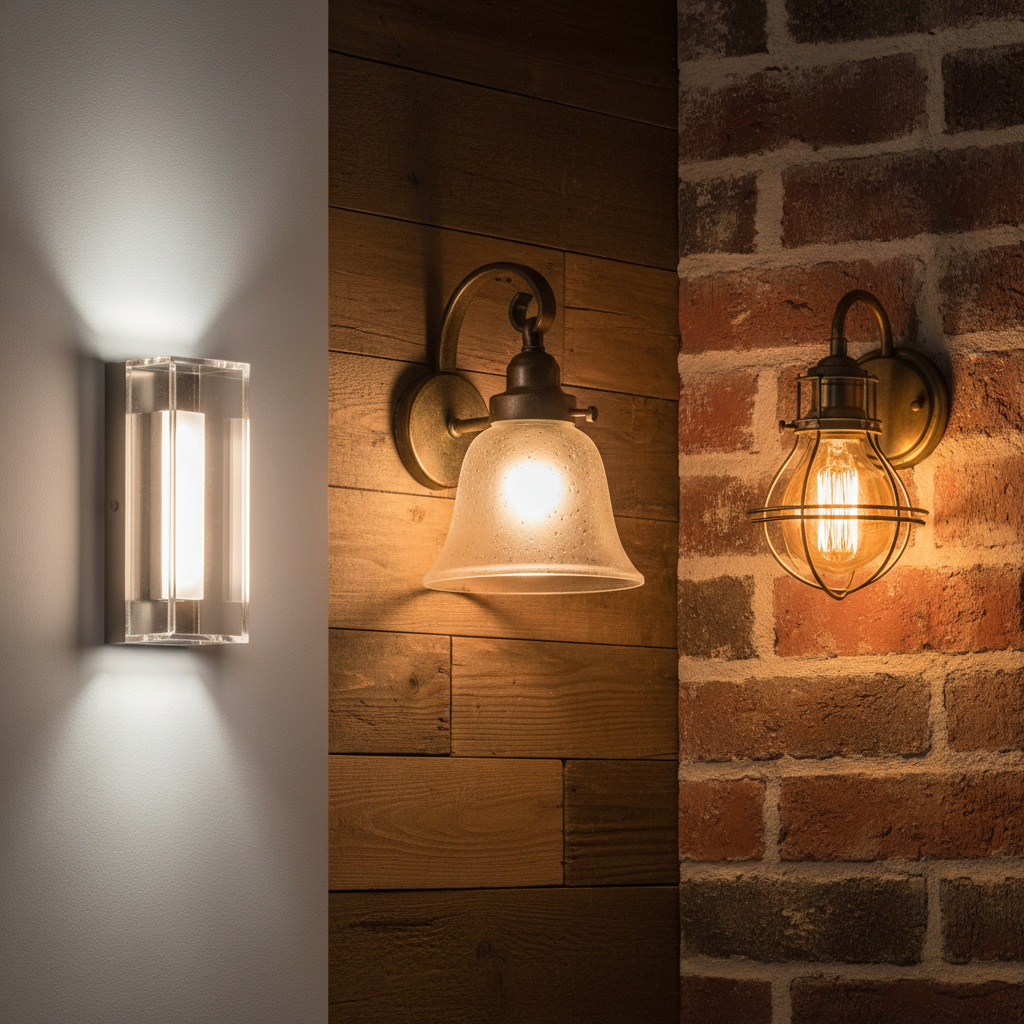
When choosing wall light glass for optimal home illumination, it's essential to understand the various types available and their unique features. Clear glass wall lights offer an unobstructed view of the bulb, providing maximum brightness and a modern, airy aesthetic. According to a recent report by the Lighting Research Center, clear glass fixtures can increase perceived room brightness by up to 20%, making them an excellent choice for spaces requiring ample light, such as kitchens and bathrooms.
On the other hand, frosted or etched glass options diffuse light more evenly, reducing glare and creating a soft, inviting atmosphere. The same Lighting Research Center study found that homeowners tend to prefer diffused lighting in living areas and bedrooms, as it enhances comfort and relaxation. Additionally, specialty designs like colored glass can introduce artistic flair while also playing a functional role in controlling light intensity. By understanding these different types of wall light glass and their features, homeowners can make informed decisions that align with both their aesthetic preferences and lighting needs.
2025 Guide: How to Choose Wall Light Glass for Optimal Home Illumination
| Type of Wall Light Glass |
Features |
Pros |
Cons |
| Frosted Glass |
Softens light and reduces glare |
Creates a warm ambiance |
Can reduce brightness |
| Clear Glass |
Provides unfiltered light |
Maximizes brightness |
Can create glare |
| Etched Glass |
Decorative patterns enhance aesthetics |
Adds a unique touch |
Cleaning can be difficult |
| Colored Glass |
Adds color to the light |
Creates a vibrant atmosphere |
Can distort light color |
| Ribbed Glass |
Textured finish diffuses light |
Reduces harshness of light |
May dim brightness somewhat |
Evaluating Aesthetic Styles for Wall Light Glass in Home Decor
When selecting wall light glass for your home, the aesthetic style should be at the forefront of your decision-making process.
Different design themes—be it modern, rustic, or industrial—demand unique glass choices that resonate with the overall decor.
For instance, sleek, clear glass complements contemporary settings with its minimalistic approach, allowing light to diffuse softly and naturally,
enhancing spaciousness. On the other hand, frosted or textured glass can add a touch of elegance, making it ideal for more traditional or eclectic spaces.
Moreover, the color and shape of wall light glass significantly influence the ambiance of a room. Soft amber or tinted glass can create a warm, inviting glow,
perfect for intimate areas like dining rooms or bedrooms. In contrast, geometric shapes and vibrant colors can inject personality and drama into a space, aligning with bold interior designs.
By thoughtfully considering these elements, homeowners can choose wall light glass that not only illuminates but also elevates the beauty of their decor, creating a harmonious atmosphere throughout their living spaces.
Key Considerations for Optimal Illumination and Energy Efficiency
When selecting wall light glass for optimal home illumination, energy efficiency must be a top consideration. As homeowners increasingly prioritize sustainability, the solid-state lighting market is projected to experience significant growth, with an expected market share reaching substantial figures by 2032. Technologies like LED, OLED, and PLED are at the forefront of this evolution, offering various benefits such as reduced energy consumption and longer lifespan, making them ideal for both new installations and retrofits.
Additionally, the trend towards smart buildings further enhances energy efficiency in lighting solutions. By 2025, the global smart space market is anticipated to grow to approximately $170.7 billion. These systems can intelligently adjust lighting based on changing solar positions and occupancy patterns, thereby minimizing wasted energy. This responsive approach not only elevates comfort levels but also aligns with the increasing demand for sustainable living environments, reflecting a broader trend towards integrating energy efficiency into all aspects of building management.
2025 Wall Light Glass Selection: Illumination and Energy Efficiency
This bar chart illustrates the lumens output of different types of wall light glass, highlighting the key considerations for optimal illumination and energy efficiency in home lighting. Clear glass provides the highest light output, while opaque glass offers the least, which might be suitable for specific design preferences but less effective for illumination.
Top 10 Recommended Wall Light Glass Options for 2025
When it comes to enhancing home illumination in 2025, selecting the right wall light glass is crucial. According to the latest report from IHS Markit, the global market for decorative lighting is expected to reach $7 billion by the end of the year, indicating a growing trend towards aesthetic yet functional home lighting solutions. Choosing the right wall light glass not only elevates the beauty of your space but also maximizes light output, creating a warm and inviting ambiance.
In this context, we recommend a variety of top wall light glass options that are trending this year. For instance, frosted glass continues to be favored for its ability to diffuse light softly, making it ideal for living areas. Clear glass is another popular choice, offering a more modern look while allowing maximum brightness. Additionally, colored glass options can add a unique flair to your décor, providing a decorative touch while serving as a conversation starter. According to the National Lighting Bureau, the right choice in lighting materials can increase energy efficiency by up to 30%, making informed selections essential for both aesthetic and practical benefits in 2025.
Tips for Proper Installation and Maintenance of Wall Light Fixtures
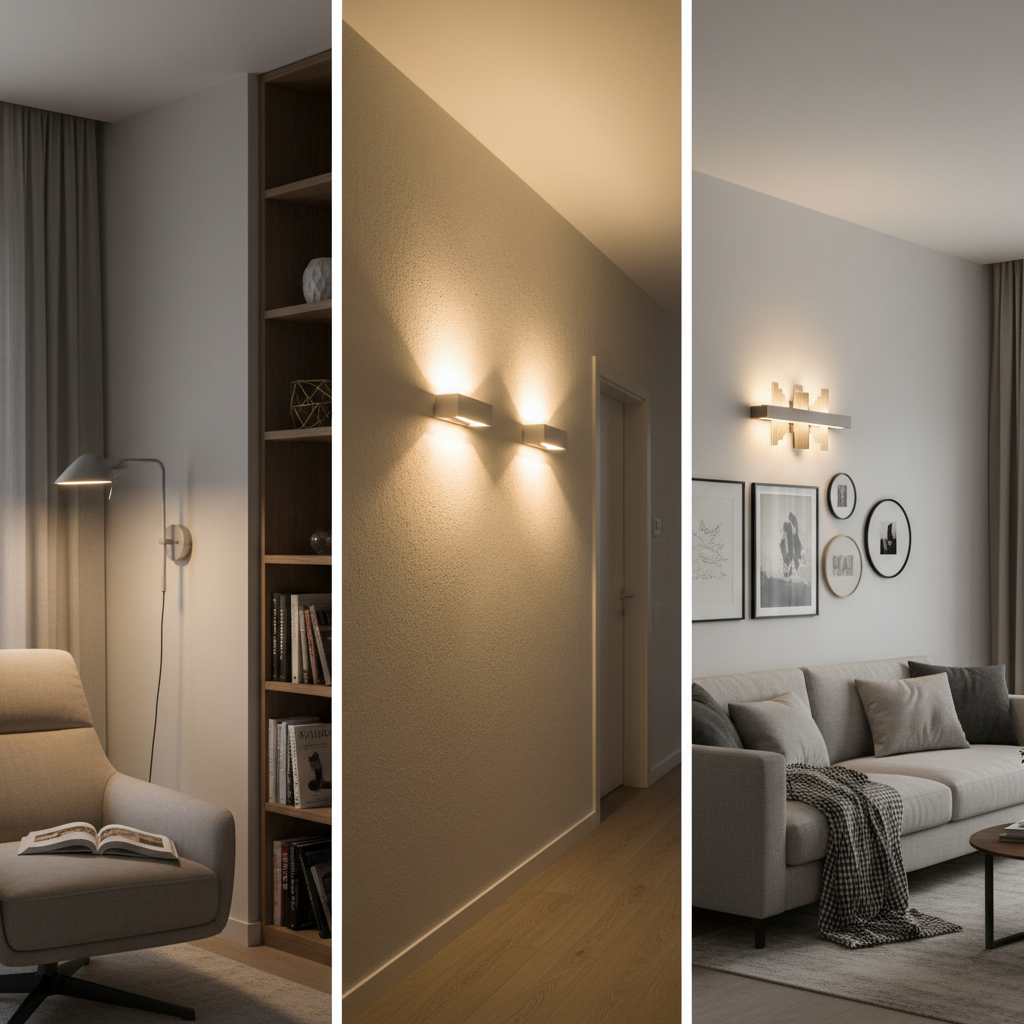
When installing wall light fixtures, proper placement is crucial for optimal illumination. Begin by considering the room’s layout and the purpose of the lighting. For
task-oriented spaces, such as reading nooks or work areas, install fixtures at eye level to eliminate harsh shadows. In areas meant for ambiance, such as hallways or living rooms, consider placing lights higher on the wall to create a diffused glow. Ensure that the fixtures complement the overall decor, as aesthetics play a significant role in your home’s ambiance.
Maintaining wall light fixtures is essential not only for longevity but also for consistent performance. Regularly dust and clean the glass surfaces to prevent buildup that can dim the light output. Check for loose bulbs and replace them immediately to avoid flickering or inadequate lighting. If your fixtures are exterior, be mindful of weather conditions that might affect their integrity; consider weatherproof options. Periodically inspect the wiring and connections, as this can prevent electrical hazards and ensure a safe environment.


 Phone
Phone Send Email
 whatsapp
 Facebook