2026 Top Bipv Solar Facade Glass Technology Trends?
In recent years, Bipv Solar Facade Glass has emerged as a game-changer in the architecture and renewable energy sectors. A report from ResearchAndMarkets predicts a compound annual growth rate of 20% for this technology through 2026. This rapid uptake reflects a rising demand for sustainable building solutions. The integration of photovoltaics into building facades not only enhances energy efficiency but also offers aesthetic value.
However, the transition isn't without challenges. Many architects and builders face uncertainties regarding installation and durability. Furthermore, the cost of Bipv Solar Facade Glass can be significantly higher than traditional materials. Yet, studies indicate that initial costs can be offset by long-term energy savings, urging stakeholders to rethink traditional cost assessments.
As cities strive to meet increasing energy demands, Bipv Solar Facade Glass will play a critical role. Addressing both functionality and design, it paves the way for a greener future. Industry leaders recognize the need to educate professionals and consumers about this innovative technology. Open discussions and knowledge sharing are vital for overcoming barriers and embracing the full potential of Bipv Solar Facade Glass.
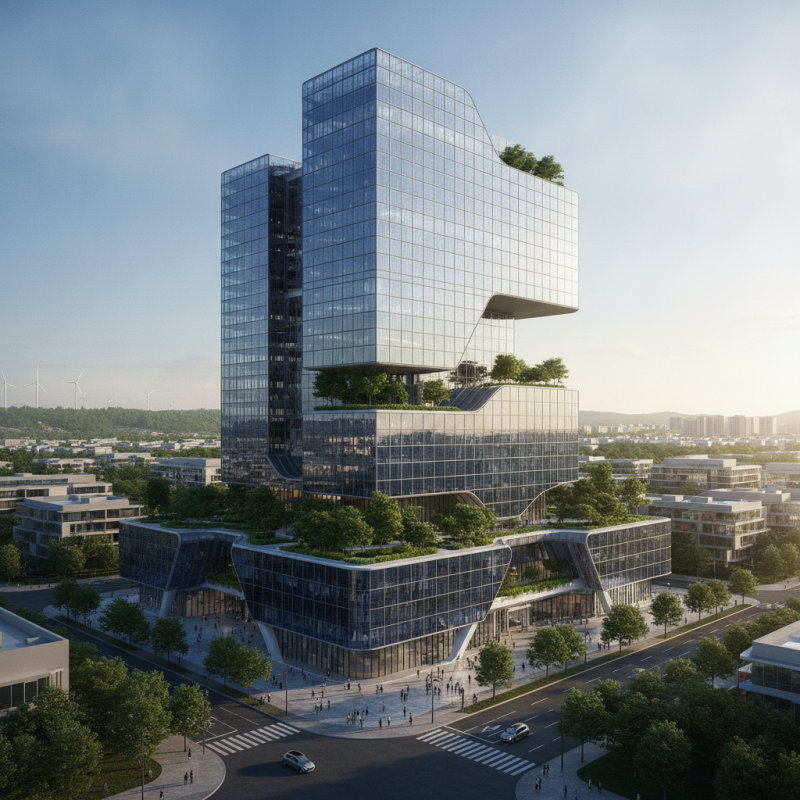
Trends in BIPV Solar Facade Glass Technology for 2026
As we look ahead to 2026, the landscape of BIPV (Building-Integrated Photovoltaics) solar facade glass technology is evolving rapidly. This advancement promises to reshape how buildings interact with energy and the environment. Architectural designs will increasingly incorporate solar elements into their facades. This could enhance aesthetic appeal while contributing to energy generation.
One key trend is the development of thinner, more efficient solar glass. These innovations aim to maximize energy capture while minimizing weight. With advancements in materials, we may see greater flexibility in design. However, there is still a challenge in achieving this balance. Increased efficiency often comes at a higher cost, which could limit accessibility in various markets.
Another noteworthy trend is the integration of smart technology within solar glass. Sensors and control systems may allow these facades to adapt to environmental conditions. This represents a shift toward smarter buildings. Yet, implementing such systems raises concerns about maintenance and reliability. Stakeholders must address these issues to ensure long-term viability and performance of BIPV solutions. The road to 2026 is filled with opportunities and challenges.
Market Growth Projections for BIPV Solar Facade Solutions
The market for Building-Integrated Photovoltaics (BIPV) is experiencing rapid growth. According to a recent report by MarketsandMarkets, the BIPV market is projected to reach USD 6.5 billion by 2027, expanding at a CAGR of 20% from 2022. This reflects an increasing interest in sustainable architecture and energy-efficient building materials. With global energy demands rising, BIPV solutions are becoming an essential part of modern urban planning.
The technology behind BIPV solar facade glass is evolving. It incorporates thin, lightweight solar cells into building facades. These cells serve dual purposes: generating energy and enhancing the aesthetics of buildings. A recent study revealed that integrating solar panels into building designs can lead to a 30-40% reduction in energy consumption. However, challenges remain in terms of installation costs and compatibility with various architectural styles.
Tip: When considering BIPV solutions, evaluate long-term savings versus initial investments.
Regulatory frameworks are also adapting to this trend. Many governments now offer incentives for energy-efficient building projects. This can significantly mitigate upfront costs and encourage adoption. Nonetheless, potential users should remain aware of the differences in regional regulations, as these can affect project feasibility.
Tip: Research your local regulations on energy-efficient buildings for a smoother installation experience.
2026 BIPV Solar Facade Glass Technology Trends
Emerging Innovative Materials in BIPV Glass Technology
The landscape of Building-Integrated Photovoltaics (BIPV) is evolving rapidly.
Innovative materials are emerging, reshaping BIPV glass technology. Researchers are exploring new options like
transparent solar cells. These materials not only generate power but also maintain aesthetics.
They can be seamlessly integrated into facades.
One exciting development is organic photovoltaics (OPVs). They are lightweight and flexible, allowing for diverse applications.
OPVs can adapt to various architectural designs, enhancing building aesthetics.
However, their longevity remains a concern. Performance in different weather conditions is still being evaluated.
Tips: When considering BIPV materials, think about the climate in your area.
Some materials perform better in specific conditions. Evaluate product life cycles, too.
This helps in making informed decisions. The balance between aesthetics and efficiency is crucial.
Understanding material strengths can lead to better outcomes in your projects.
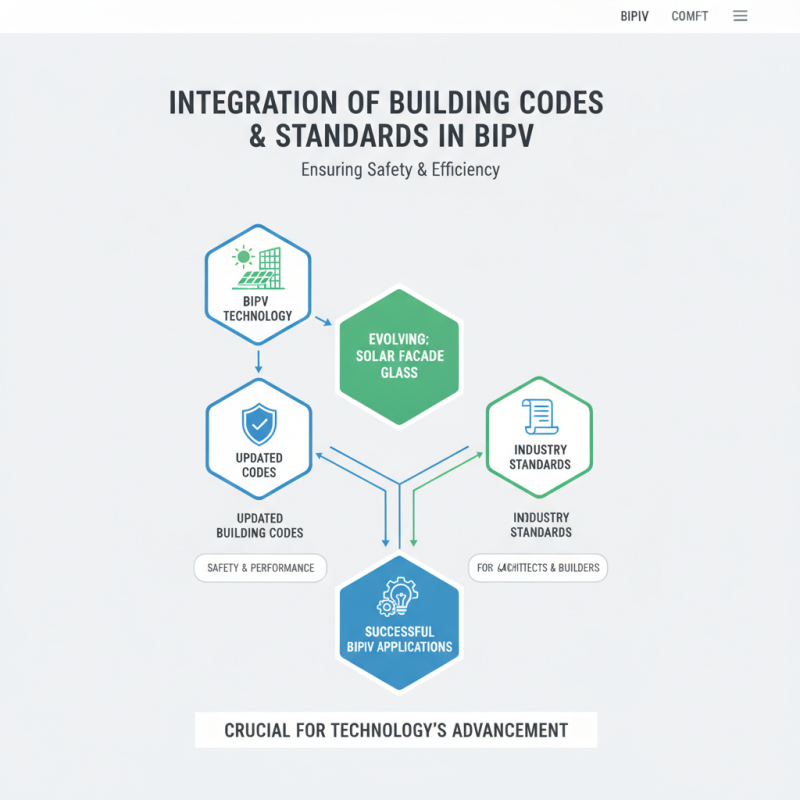
Integration of Building Codes and Standards in BIPV Applications
The integration of building codes and standards in Building-Integrated Photovoltaics (BIPV) applications is crucial for the technology's success. As the industry advances, updated codes must reflect the evolving design of solar facade glass. This ensures both safety and efficiency. Codes define how these systems should perform under various conditions. The evolution of these standards provides a roadmap for architects and builders.
BIPV technology must align with local and international codes to meet safety requirements. It’s important to note that compliance can be challenging. Each region may have its own set of regulations, making it difficult to achieve uniformity. For instance, some buildings may struggle with energy-efficiency requirements while maintaining aesthetic appeal. This highlights the importance of continuous dialogue among stakeholders.
Tips: Always check local building codes before starting a new project. Understanding them can save time and resources. Collaborate with experts in the field to navigate these challenges effectively. Engaging with building professionals can lead to innovative solutions that respect safety standards while promoting solar energy use.
BIM (Building Information Modeling) tools may help ensure compliance. These digital models facilitate better planning and coordination. However, relying too heavily on automation could overlook critical details, requiring more human oversight. Balancing technology with practical experience is essential for successful BIPV implementation.
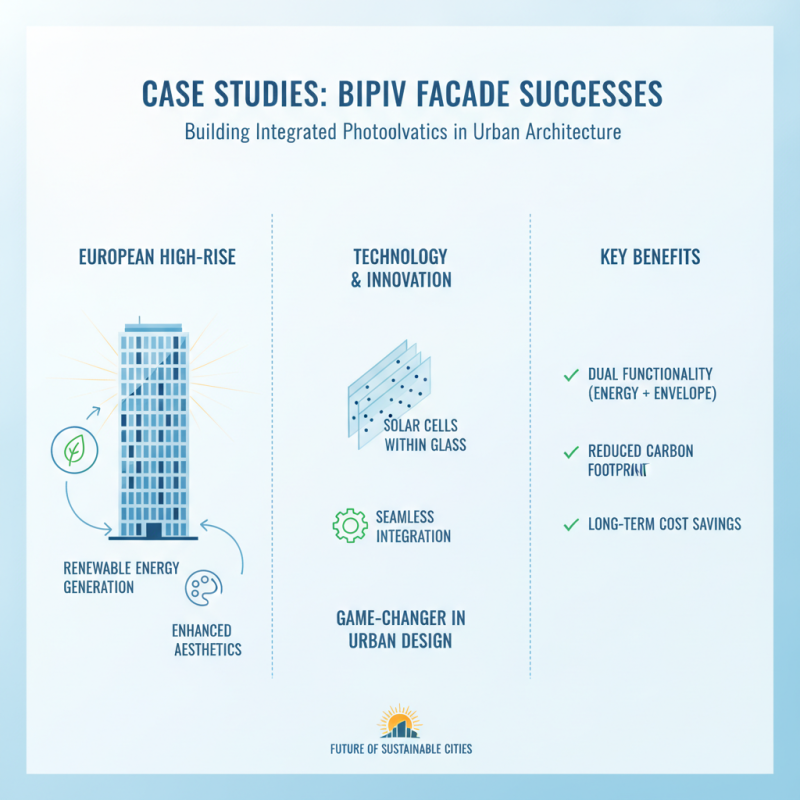
Case Studies: Successful Implementations of BIPV Facade Projects
The increasing adoption of BIPV (Building Integrated Photovoltaics) technology has led to inspiring case studies. One compelling example is a high-rise building in Europe utilizing BIPV glass. This facade design not only generates renewable energy but also enhances the building's aesthetics. The integration of solar cells directly into the building structure is a game-changer in urban architecture.
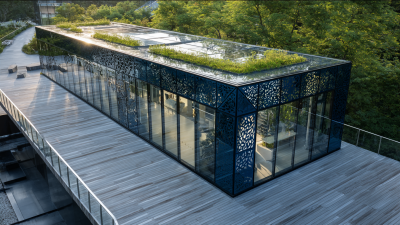
In another notable project, a commercial complex in Asia combined BIPV technology with energy-efficient design. The facade was designed to optimize solar exposure while maintaining comfort for occupants. However, challenges arose during the installation phase. Workers faced difficulties ensuring proper alignment of the solar panels. This underscores the importance of skilled labor in such innovative projects. Enhanced training programs could address these issues in future implementations.
These case studies reflect the potential of BIPV glass technology in modern architecture. While the benefits are clear, there are hurdles to overcome. Balancing visual appeal with functionality remains essential. Continued collaboration among architects, engineers, and industry experts will drive future developments.


 Phone
Phone Send Email
 whatsapp
 Facebook