2026 Top Tempered Glass Panels What You Need to Know?
As the demand for high-quality design materials rises, "Tempered Glass Panels" stand out in both aesthetics and functionality. Industry expert, John Smith, states, “The clarity and strength of tempered glass open a world of design possibilities.” This statement reflects the evolving landscape of architecture and interior design, where tempered glass panels enhance not just structure but also ambiance.
In 2026, the focus on tempered glass panels will likely grow stronger. Their robust nature offers safety and durability. However, there are nuances that consumers must understand. Not all tempered glass panels are created equal. Factors such as thickness, treatment methods, and applications play a crucial role in performance and safety.
Choosing the right tempered glass panels requires careful consideration. A misstep can lead to structural failure or aesthetic dissatisfaction. It's essential to recognize the balance between style and security. As we dive into this topic, we will explore what distinguishes the best panels in the market, ensuring informed decisions for designers and homeowners alike.
Understanding Tempered Glass: Definition and Benefits
Tempered glass, also known as toughened glass, undergoes a heating and cooling process that enhances its strength. This process makes it much more resilient than regular glass. It can withstand high temperatures and sudden impacts. Its ability to shatter into small, blunt pieces adds a safety element. This feature protects users from serious injuries when accidents occur.
The benefits of tempered glass extend beyond safety. Its clarity provides an elegant view, making it ideal for architectural applications. Tempered glass is also energy-efficient, helping to insulate buildings against temperature fluctuations. However, it is essential to understand its limitations. If severely damaged, it can break suddenly. Care during installation is crucial. Small mistakes can lead to serious risks later.
In conclusion, tempered glass offers many advantages for various applications. Its durability, safety, and aesthetic appeal are undeniable. However, awareness of its handling and installation needs is vital. Mind these aspects for optimal use in homes or businesses.
2026 Top Tempered Glass Panels - What You Need to Know?
| Feature |
Description |
Benefits |
Applications |
| Safety |
Tempered glass is designed to withstand high temperature and impact. |
Reduces risk of injury upon breakage, as it shatters into small pieces. |
Used in windows, shower doors, and glass doors. |
| Durability |
Tempered glass is much stronger than regular glass. |
Longer lifespan and enhanced resistance to scratches and chips. |
Ideal for high-traffic areas and exterior applications. |
| Thermal Resistance |
Can withstand extreme temperature changes. |
Prevents thermal stress and breakage. |
Commonly used in kitchen and bathroom settings. |
| Aesthetic Appeal |
Available in various styles and finishes. |
Enhances modern design and visual elegance. |
Used in interior design, glass railings, and facades. |
| Ease of Maintenance |
Smooth surface allows for easy cleaning. |
Lower maintenance costs and time. |
Widely used in public spaces and commercial buildings. |
Types of Tempered Glass Panels Available in 2026
In 2026, the tempered glass panel market offers diverse options. Manufacturers have innovated to accommodate various applications, including architectural, automotive, and furniture uses. Data from recent industry reports indicate a growing demand for safety, energy efficiency, and aesthetic appeal in tempered glass solutions.
Among the types, laminated tempered glass is highly sought after. This variant combines layers of glass and interlayers, enhancing its strength and sound insulation. The global market for laminated glass is projected to grow by 7% annually. Meanwhile, low-emissivity (Low-E) tempered glass panels are gaining traction in energy-efficient constructions. These panels reflect heat while allowing light to pass, making them ideal for residential and commercial spaces.
Curiously, some consumers remain unaware of the full benefits of different tempered glass types. For instance, many overlook the impact of UV protection offered by specific panels. This lack of knowledge can lead to poor decision-making. Furthermore, not all tempered glass panels meet the same standards. Consumers should verify certifications before making a purchase. This reflection on consumer understanding emphasizes the need for increased awareness and education in the market.
Key Factors to Consider When Selecting Tempered Glass Panels
When selecting tempered glass panels, several key factors come into play. Firstly, thickness is crucial. Thicker panels tend to be stronger and more resistant to impacts. Consider the application too. For windows or railings, a minimum thickness of 10 mm is often recommended. It offers good strength while maintaining clarity and aesthetic appeal.
Another important aspect is the safety standards. In many regions, tempered glass must meet specific safety regulations. These standards ensure that the glass will shatter into small, blunt pieces rather than sharp shards. Familiarizing yourself with these guidelines can significantly affect your choice.
Quality should never be compromised. Not all tempered glass panels are created equal. Look for certifications that guarantee the product's strength and durability. Not every supplier will adhere to strict manufacturing processes. Always ask for documentation to ensure reliability, as this can safeguard you from potential future issues. Remember, making informed decisions leads to better outcomes. Always research before committing.
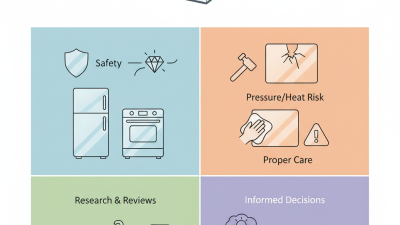
2026 Top Tempered Glass Panel Selection Factors
Installation Guidelines for Tempered Glass Panels
Installing tempered glass panels requires careful attention to detail. Proper measurements are essential. You must ensure the frame is level and secure. Use a reliable adhesive or mounting hardware to avoid future issues. Proper sealing is important to prevent moisture buildup. Regularly check for any leaks or cracks after installation.
Before starting, wear safety gear. Cutting glass can result in sharp edges. A smooth finish is not just aesthetic; it is crucial for safety. Use appropriate tools designed for glass installation. A small miscalculation in measurements can lead to significant problems. Double-check every step to ensure accuracy. Reassess your methodology if things do not align perfectly.
Make sure to ask for expert help if you are uncertain. Some tasks may seem straightforward but can become complicated. Seek advice from professionals. They can provide valuable insights and tips. Don’t hesitate to take a step back if you're overwhelmed. A careful approach will yield the best results for your tempered glass panel installation.
Maintenance Tips for Prolonging the Life of Tempered Glass Panels
Taking care of tempered glass panels is essential for ensuring their longevity. Proper maintenance not only enhances their appearance but also preserves their structural integrity. Regular cleaning with a mild detergent and a soft cloth can prevent scratches and cloudiness. Avoid harsh chemicals, as they may damage the glass surface.
Tips: Always clean glass panels in a circular motion. This technique helps avoid streaks. For heavy dirt, a mixture of vinegar and water can work wonders without causing harm. Using a dedicated glass cleaner can also keep surfaces crystal clear.
Ensure that you regularly inspect the panels for chips or cracks. Damaged glass can weaken over time. If you notice any imperfections, consider professional repair services. Professional handling ensures safety and proper restoration. Storing glass panels in a safe environment is also crucial. Extreme temperatures and direct sunlight can affect their durability.
By following these tips, you can maintain your tempered glass panels effectively. Regular maintenance can lead to enhanced visual appeal and longevity. Don’t overlook the importance of proper care. Small efforts can yield significant results in the life of your glass panels.


 Phone
Phone Send Email
 whatsapp
 Facebook