What is Ar Ag Af Coated Glass and Its Benefits for Buyers?
In the realm of construction and design, "Ar Ag Af Coated Glass" stands out as a transformative material. This specialized glass, enhanced by advanced coatings, offers a multitude of benefits for buyers. According to a recent report by the Global Glass Coatings Association, the market for coated glass is expected to grow by over 12% annually through 2025.
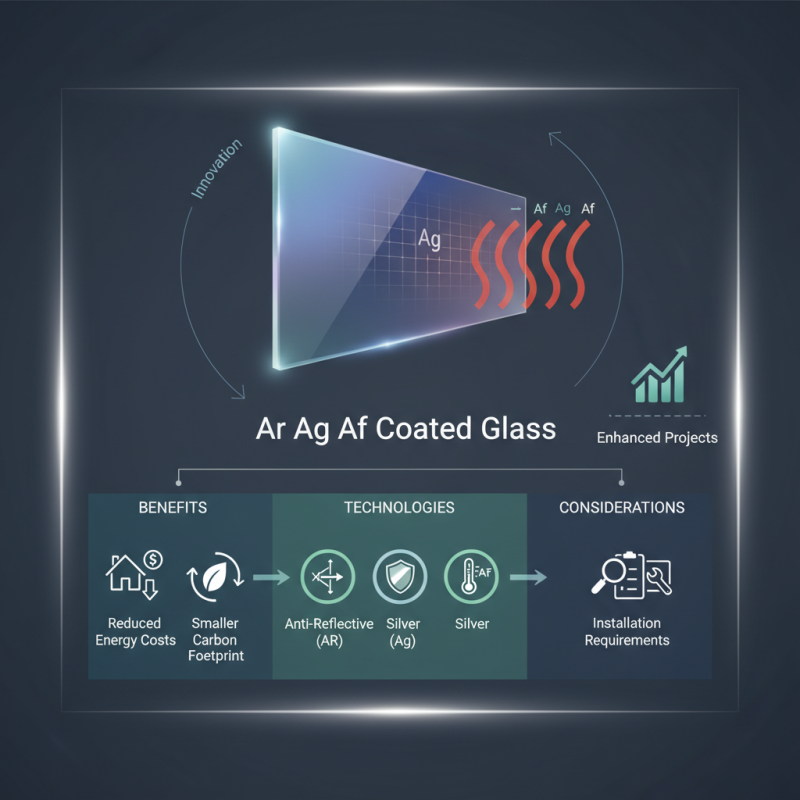
Industry expert Dr. Michael Hudson states, "The integration of Ar Ag Af coatings significantly improves thermal efficiency and reduces glare." These coatings combine anti-reflective (AR), silver (Ag), and infrared-blocking (Af) technologies to create a product that not only enhances aesthetics but also promotes energy efficiency. This dual approach leads to reduced energy costs and a smaller carbon footprint, appealing to environmentally conscious consumers.
Despite its advantages, the adoption of Ar Ag Af Coated Glass isn't without challenges. Buyers must navigate varying quality standards and installation requirements. Understanding these complexities is crucial for making informed decisions. With the right knowledge, consumers can leverage these innovations to enhance their projects effectively.
What is Ar Ag Af Coated Glass?
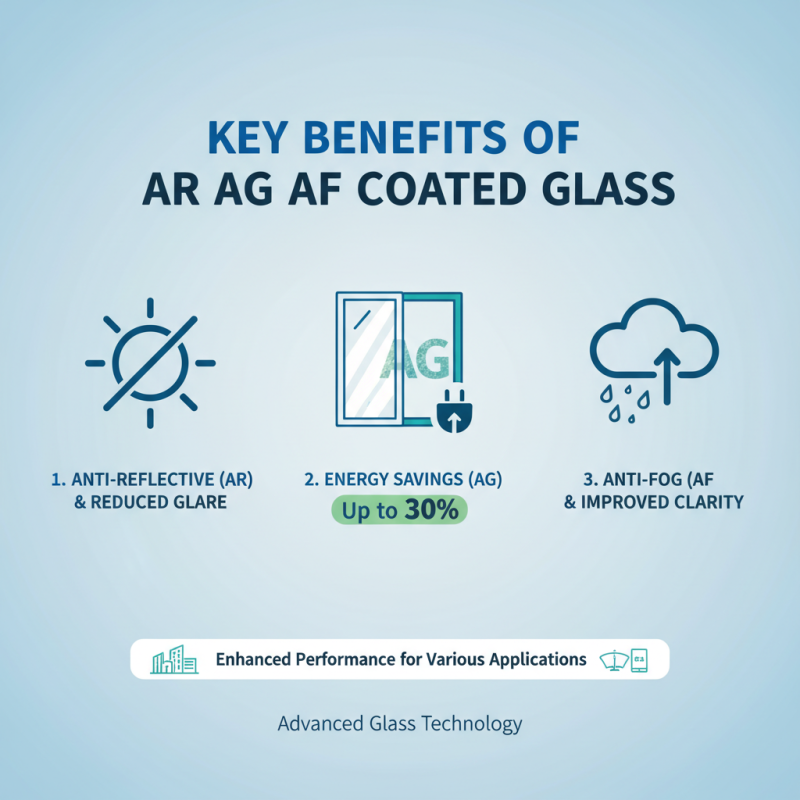
AR AG AF coated glass refers to a specialized type of glass that has undergone multiple layers of treatments. These coatings serve various functions, enhancing the glass's performance for building and design applications. AR stands for anti-reflective coating, AG represents anti-glare properties, and AF signifies anti-fog features. This combination allows the glass to provide clarity, reduce reflection, and resist fogging.
The manufacturing process involves applying thin films that improve optical characteristics. These coatings directly impact visual comfort and energy efficiency. In commercial settings, this glass is ideal for storefronts and offices. The transparency helps in maintaining natural light while minimizing glare. However, quality control during the coating process can vary, leading to performance inconsistencies.
When considering AR AG AF coated glass, it is vital to evaluate its suitability for particular projects. Not every application may benefit equally from these coatings. Buyers should assess the specific environment and usage to ensure they maximize their investment. The balance between cost and performance is essential. Some users may find that they need to replace coated glass more frequently due to wear and tear, leading to potential long-term costs.
The Composition and Properties of Coated Glass
Coated glass, especially Ar, Ag, and Af types, consists of thin layers of metal oxides. These layers enhance several properties, making the glass more functional and efficient. The coatings are usually applied on a substrate, creating various benefits for diverse applications.
Ar (Argon) coatings help improve thermal insulation. They reduce heat exchange, keeping indoor spaces comfortable. Ag (Silver) coatings provide excellent reflectivity. They effectively reflect infrared light while allowing visible light to pass through. This feature helps in energy conservation and reduces energy costs. Af (Aluminum fluoride) coatings improve scratch resistance and durability, ensuring the glass lasts longer under tough conditions.
These coatings also contribute to aesthetic appeal. The glass can have a sleek, modern look. However, not all coatings are suitable for every application. Some may require specific conditions for optimal performance. It is crucial to consider compatibility with building materials. While coated glass offers numerous advantages, buyers should also weigh potential downsides, such as the initial cost and installation challenges.
Key Benefits of Using Ar Ag Af Coated Glass
AR AG AF coated glass represents a significant advancement in glass technology. This type of glass is treated with multiple layers to enhance performance. It combines anti-reflective (AR), silver coating (AG), and anti-fog (AF) properties, providing an effective solution for various applications. Industry reports highlight that energy savings can reach up to 30% in buildings utilizing this glass. It significantly reduces glare, improving occupant comfort.
One notable benefit of AR AG AF coated glass is its efficiency in energy usage. According to a study by the National Renewable Energy Laboratory, the use of this type of glass can decrease heat loss and improve insulation properties. Shoppers may appreciate that it offers both aesthetic appeal and functional advantages. Furthermore, it meets stringent building codes and sustainability standards, providing buyers with peace of mind.
However, adopting this technology is not without challenges. Installation can be complex, and not all professionals possess the necessary expertise. Buyers may encounter limited options in terms of sizes and finishes. Understanding the balance between cost and performance is vital. The initial investment may be higher, but the long-term savings and benefits often justify this expense. Potential buyers should conduct thorough research and consult with experts to navigate these considerations effectively.
Applications of Coated Glass in Various Industries
Coated glass has gained significant traction in various industries, thanks to its enhanced properties. The application of Ar, Ag, and Af coatings improves durability and energy efficiency. In the architecture sector, for instance, it accounts for about 50% of the coated glass market. This rise is driven by increasing energy costs and stricter building regulations.
In the automotive industry, coated glass is applied for windshields and windows, improving visibility and reducing heat. Reports indicate that this segment is projected to grow by over 6% annually. This growth reflects the demand for vehicles that prioritize comfort and safety. However, challenges exist. The complexity of the manufacturing process can lead to inconsistencies in quality.
The solar energy sector also utilizes coated glass extensively. It enhances light absorption and increases the efficiency of photovoltaic panels. This is vital, as the global push for renewable energy sources continues. Yet, ensuring uniformity in coating thickness remains an issue for manufacturers. Overall, while the benefits of coated glass are clear, the industry must address these challenges to fully realize its potential.
Comparison with Traditional Glass Options
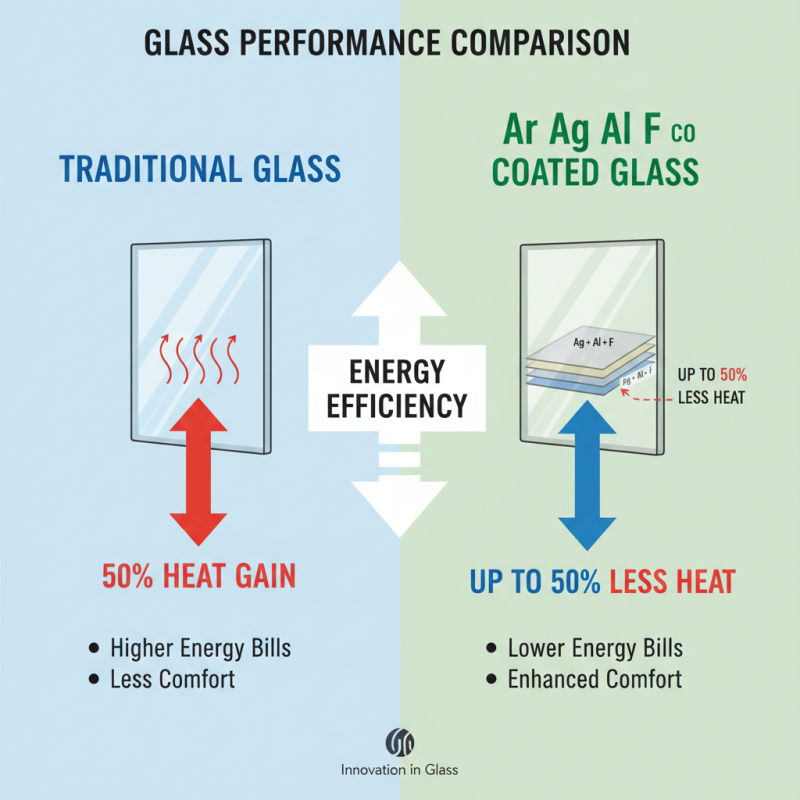
Ar Ag Af coated glass stands out when compared to traditional glass options. This innovative product integrates silver (Ag), aluminum (Al), and fluorine (F) for enhanced energy performance. Industry reports indicate that this type of glass can reduce heat gain by up to 50%. Such efficiency not only boosts comfort but also can lead to lower energy bills.
Traditional glass lacks these advanced properties. Regular glass often demonstrates poor thermal insulation. This results in higher cooling costs during warm months. In contrast, Ar Ag Af coated glass actively reflects heat, creating a more stable indoor climate. A study by the American Society of Heating, Refrigerating, and Air-Conditioning Engineers (ASHRAE) highlights significant savings for buildings equipped with low-emissivity coatings.
While the benefits are clear, some might question the higher initial investment. The price point can deter buyers, but the long-term gains counterbalance this concern. Improved durability is another advantage; coated glass is less prone to condensation. Reports suggest that buildings using these modern materials can sustain their value better. Still, buyers must consider their unique needs and regional climate. Understanding these factors can simplify decision-making.


 Phone
Phone Send Email
 whatsapp
 Facebook