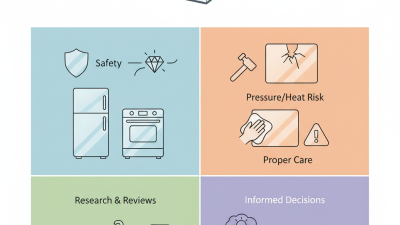
Why Choose Tempered Glass for Household Appliances?
In today’s world, household appliances need to balance design and durability. Using "Tempered Glass For Household Appliance" has emerged as a key trend in this industry. Experts like Dr. Emily Carter, a material science specialist, emphasize its importance. She states, “Tempered glass combines elegance with strength, making it ideal for modern kitchens.”
One major benefit of tempered glass is its resistance to breakage. Unlike regular glass, it can withstand high temperatures and is less likely to shatter on impact. This durability is essential as appliances often face heat and pressure. Additionally, the sleek appearance enhances the aesthetic of any kitchen or appliance.
However, it’s vital to consider the cost. Tempered glass can be pricier than alternatives. While it offers many advantages, the investment may not suit every budget. Homeowners should weigh these factors carefully. Ultimately, selecting "Tempered Glass For Household Appliance" can lead to a stylish and practical kitchen design, but reflection on costs and needs remains essential.
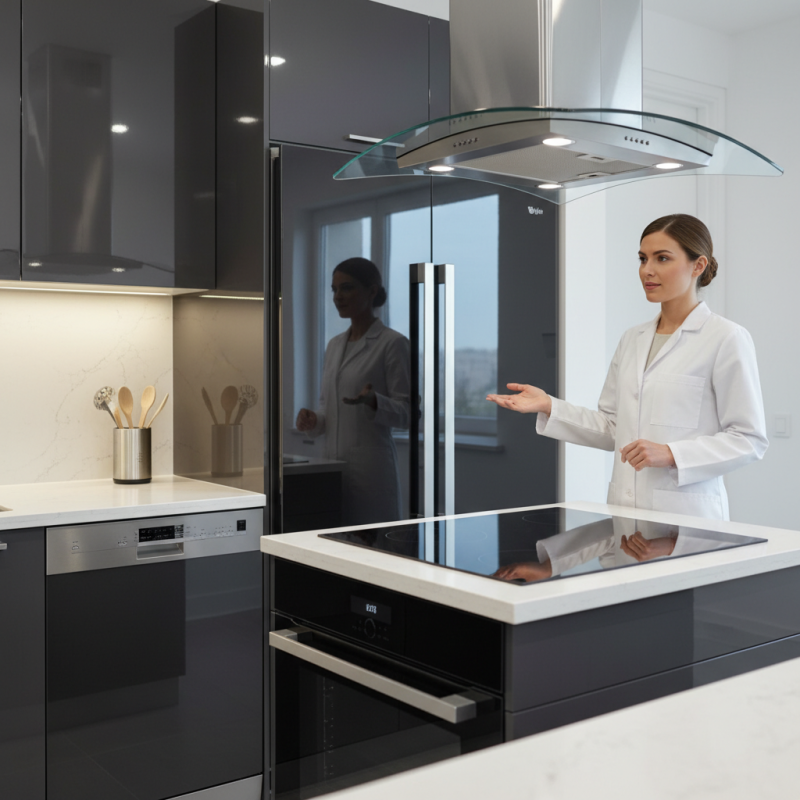
Benefits of Tempered Glass in Household Appliances
Tempered glass is becoming a popular choice for household appliances due to its unique benefits. Its strength is one of the main attractions. Unlike regular glass, tempered glass is heat-treated, making it much more resistant to thermal shock. This is crucial in appliances like ovens and cooktops, where temperature changes occur frequently.
Another advantage is safety. If broken, tempered glass shatters into small, blunt pieces rather than sharp shards. This reduces the risk of injury, making it ideal for homes with children. In addition, tempered glass is easier to clean and maintain, offering a sleek look that complements modern designs.
However, there are some considerations. Although it's sturdy, tempered glass can still break under extreme pressure or impact. Users should be aware of its limitations, especially in high-stress situations. Maintaining a clean surface is essential, as dirt can hide potential stress points. Overall, the choice of tempered glass for household appliances provides a blend of aesthetics, safety, and durability that is hard to overlook.
Durability: How Tempered Glass Resists Breakage and Impact
Tempered glass is becoming a popular choice for household appliances due to its incredible durability. Unlike standard glass, tempered glass can withstand considerable force without breaking. This impressive resistance to impact is a result of the heating and cooling process it undergoes. The heat strengthens the glass, making it nearly five times tougher than its untreated counterpart.
In everyday scenarios, we often overlook the potential risks around us. A dropped dish or a sudden impact can lead to injuries with regular glass. With tempered glass, these concerns diminish significantly. It shatters into small, blunt pieces rather than sharp shards, reducing the risk of cuts or severe injuries. This feature provides peace of mind, especially in homes with children or pets, where accidents can happen daily.
However, not all tempered glass is created equal. Some variations may still encounter limitations under extreme conditions. For example, while it can resist sudden impact, exposing it to rapid temperature changes might still compromise its integrity. Homeowners should consider their environment when selecting tempered glass. Balancing durability with potential vulnerabilities is essential for making the right decision for household appliances.
Safety Features: Why Tempered Glass is a Safer Choice
Tempered glass is increasingly favored in household appliances due to its superior safety features. Unlike regular glass, tempered glass undergoes a special heat treatment, enhancing its strength significantly. According to industry research, tempered glass is five to seven times stronger than standard glass. In case of breakage, it shatters into small, blunt pieces, reducing the risk of severe injuries.
Recent studies show that over 80% of consumers prioritize safety when choosing kitchen appliances. Features like shatter resistance make tempered glass an obvious choice. When tested, this glass type demonstrated remarkable durability under high-temperature variations. It can withstand extreme heat, making it perfect for stovetops and ovens.
However, tempered glass is not entirely without drawbacks. While it is strong, it can crack under intense impact if improperly installed. Some manufacturers have noted that installation errors can lead to unexpected failures, highlighting the need for professional guidance. Safety measures should be paramount when utilizing this material, ensuring optimal performance and minimal risks. The benefits far outweigh the imperfections, making tempered glass a preferred material in modern appliance design.
Aesthetic Appeal: Enhancing the Look of Household Appliances
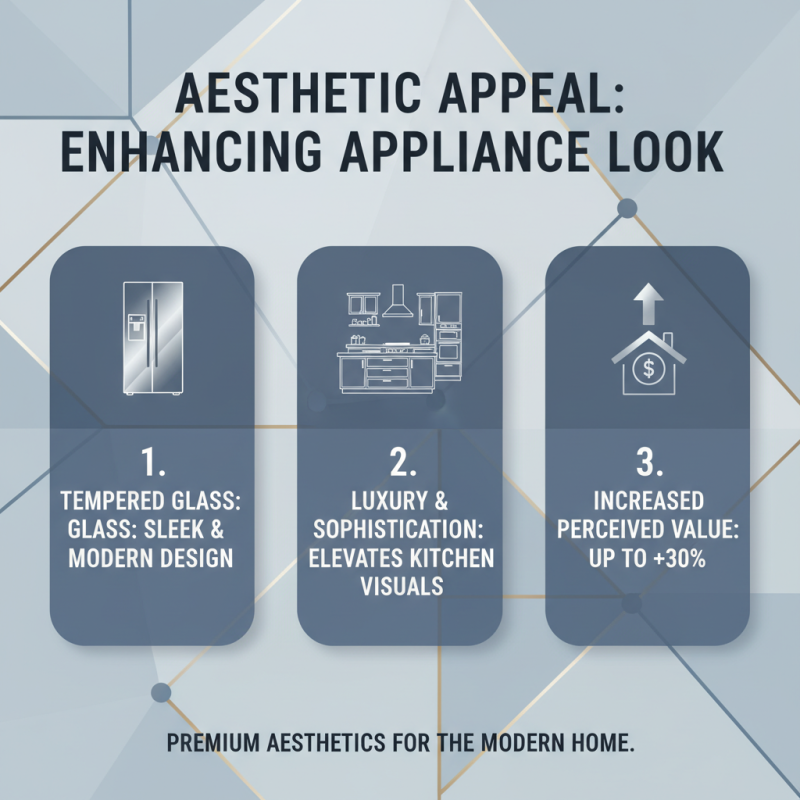
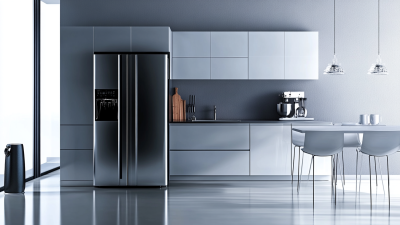
Tempered glass is a popular choice for household appliances, largely due to its aesthetic appeal. Its sleek and modern design enhances the visual quality of kitchens and living spaces. Many homeowners prefer appliances with glass finishes, as they evoke a sense of luxury and sophistication. Research indicates that appliances with glass exteriors can increase perceived value by up to 30%. This is significant in a competitive market where aesthetics matter.
Furthermore, tempered glass offers more than just beauty. It can be integrated into a variety of designs, from minimalist to contemporary. A study by the Home Improvement Research Institute shows that 67% of consumers consider the appearance of appliances a primary decision factor. Thus, enhanced visual appeal can influence purchasing decisions. Yet, some may overlook practical aspects.
For instance, while tempered glass is durable and heat-resistant, it can be prone to scratches and fingerprints. Regular maintenance is required to keep its pristine look. Household appliances should balance aesthetic trends with functionality. Reflecting on this, consumers should assess how often they are willing to invest time in upkeep versus the initial visual impact of tempered glass appliances.
Environmental Impact: The Sustainability of Tempered Glass Materials
Tempered glass stands out as a sustainable choice for household appliances. Its production process is energy-efficient. This material can withstand high temperatures, reducing the need for replacements. When selecting materials, it’s vital to consider their lifecycle impact.
The recycling potential of tempered glass is another significant aspect. Unlike plastics, which can take hundreds of years to decompose, glass can be recycled indefinitely. Using recycled glass reduces raw material consumption and energy use. However, not all recycling facilities handle tempered glass efficiently, leaving room for improvement in waste management systems.
While tempered glass has many advantages, there are challenges to address. It can shatter upon severe impact, raising safety concerns. Additionally, sourcing high-quality raw materials can be a hurdle for manufacturers. The environmental impact can be reduced further by enhancing research in sustainability practices. In the end, tempered glass offers a responsible option for environmentally conscious consumers.


 Phone
Phone Send Email
 whatsapp
 Facebook