What Are the Benefits of Toughened Glass for Oven Use?
Toughened glass for oven use has become a popular choice among consumers and manufacturers alike. Its durability and heat resistance offer significant advantages in kitchen environments. According to a report by the Glass and Glazing Federation, "Toughened glass is five to six times stronger than standard glass." This strength allows it to withstand high temperatures and thermal stress, making it ideal for oven applications.
Expert in the field, Dr. Lisa Harrington, highlights the importance of such materials: "Choosing toughened glass for your oven means investing in safety and efficiency." With a rise in consumer awareness about kitchen safety, more homeowners opt for toughened glass over conventional materials. It prevents shattering and reduces the risk of injury.
However, some challenges exist. Ensuring proper installation is crucial for maximizing the benefits of toughened glass for oven use. This specialty glass requires careful handling and alignment to maintain its integrity. While the benefits are clear, understanding the limitations is essential for users aiming to utilize this innovative material effectively.
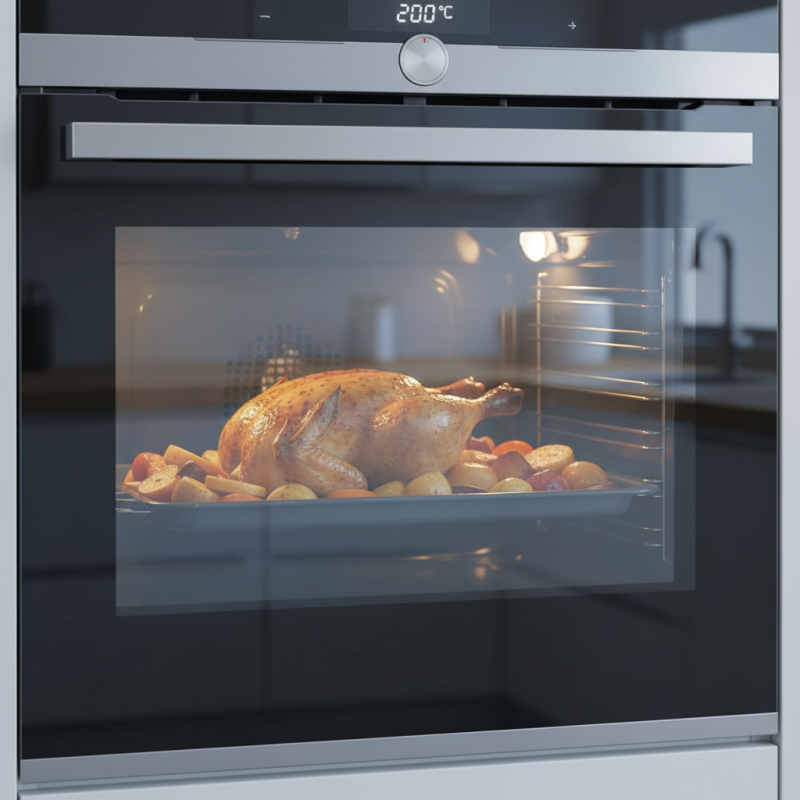
Benefits of Toughened Glass: Overview and Applications in Ovens
Toughened glass is an essential material for modern ovens. This type of glass can withstand high temperatures, making it safe for cooking. According to the Glass and Glazing Federation, toughened glass is five to seven times stronger than standard glass. This durability means it resists thermal shock, preventing cracks or breaks when exposed to heat.
In addition to its strength, toughened glass offers excellent visibility. When cooking, being able to see your food without opening the oven door is crucial. Some studies show that better visibility can lead to improved cooking outcomes. This level of transparency allows for monitoring without losing heat or energy. It's efficient and fosters better meal preparation.
**Tips**: Ensure regular checks for scratches or damage. A scratched surface can weaken the glass and impact its performance. Heat resistance is vital, but integrity must be maintained. Furthermore, avoid placing heavy items directly on the glass. This could lead to unexpected fractures over time.
Benefits of Toughened Glass for Oven Use
Heat Resistance: How Toughened Glass Handles High Temperatures
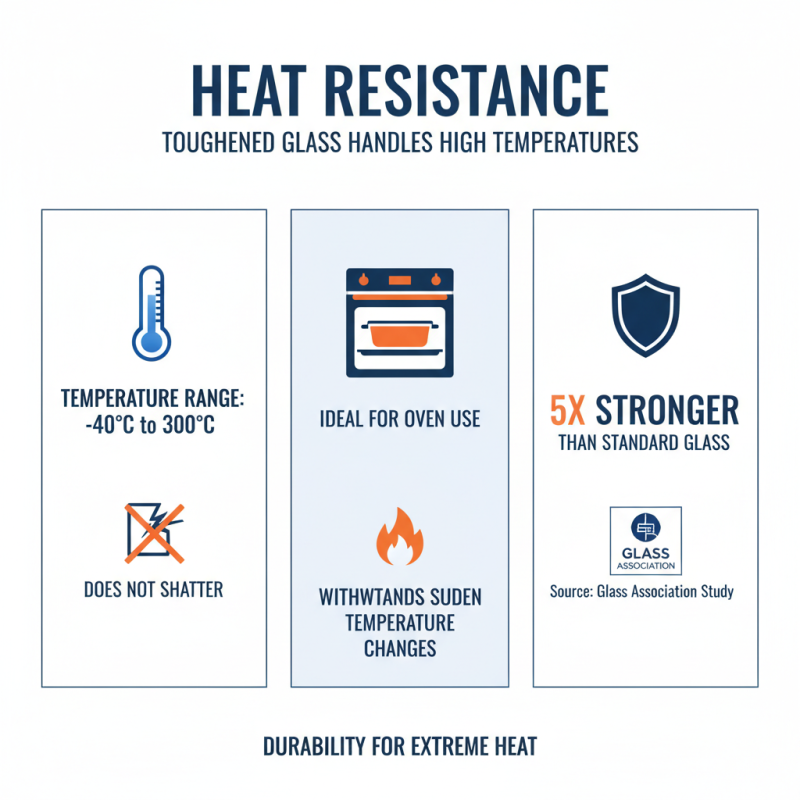
Toughened glass, renowned for its durability, excels in high-temperature environments. It can withstand temperatures ranging from -40°C to 300°C without shattering. This resilience makes it ideal for oven use. A study from the Glass Association indicates that toughened glass is up to five times stronger than standard glass. This strength is critical during cooking, where sudden temperature changes are common.
During baking, heat is not uniform. Toughened glass distributes heat evenly, reducing the risk of thermal shock. This even heating process helps maintain consistent cooking results. However, not all toughened glass is created equal. Variations in manufacturing can affect performance, leading to potential weaknesses in extreme conditions.
It’s also essential to regularly inspect toughened glass for signs of wear. Small chips or cracks can compromise its integrity, making it less effective under high temperatures. Understanding the manufacturing standards and specifications can help users choose the right product. While toughened glass is generally reliable, being mindful of its limitations ensures safer oven use.
Safety Features: The Impact of Toughened Glass on Oven Use
Toughened glass offers significant safety features for oven use, primarily through its ability to withstand high temperatures. According to a report from the Glass Association, toughened glass can endure temperatures up to 300 degrees Celsius. This durability minimizes the risk of breakage during cooking. When heated, toughened glass tends to crumble rather than shatter, reducing the likelihood of sharp shards causing injury.
Moreover, toughened glass provides excellent thermal insulation. It keeps external surfaces cooler, making ovens safer for kitchen environments. A study conducted by the American Safety Council highlighted that ovens with toughened glass are 40% less likely to cause burns compared to traditional materials. However, the manufacturing process of toughened glass does have its drawbacks. It can be more expensive to produce, raising costs for consumers.
Lastly, while toughened glass significantly enhances safety, it is not infallible. Improper installation or sudden temperature changes can still pose risks. Homeowners must ensure that toughened glass is fitted correctly to capitalize on its benefits fully. Addressing these concerns is vital for maximizing safety in the kitchen environment, highlighting the importance of professional installation and regular checks.
What Are the Benefits of Toughened Glass for Oven Use? - Safety Features: The Impact of Toughened Glass on Oven Use
| Feature |
Description |
Advantages |
Considerations |
| Temperature Resistance |
Toughened glass can withstand high temperatures without breaking. |
Reduces risk of shattering during cooking. |
Ensure proper installation to avoid thermal stress. |
| Safety |
If broken, toughened glass shatters into small, blunt pieces. |
Minimizes injury risks compared to traditional glass. |
Require regular inspection for any cracks or defects. |
| Thermal Shock Resistance |
Resistant to rapid temperature changes. |
Ideal for use in ovens where temperature swings occur. |
Overheating beyond the limit can still cause issues. |
| Aesthetic Appeal |
Offers a sleek, modern look for oven doors. |
Enhances overall kitchen design and visibility of food. |
Requires frequent cleaning to maintain clarity. |
| Insulation |
Helps in retaining heat within the oven. |
Improves energy efficiency and cooking consistency. |
Good insulation depends on the quality of the glass. |
Durability: Longevity and Resistance to Thermal Shock
Toughened glass is commonly used in ovens due to its remarkable durability. Unlike standard glass, it can withstand extreme temperatures without breaking. This resistance to thermal shock is a significant advantage. When you pull a hot dish from the oven, the glass remains stable. It does not crack or shatter easily, which enhances safety in the kitchen.
Additionally, toughened glass is designed for longevity. Many people overlook the fact that not all glass can handle the rigors of oven use. Some may find themselves replacing regular glass frequently. This results in more waste and added costs. Toughened glass, however, lasts much longer. It provides peace of mind while cooking, knowing that it can endure high heat.
However, it is essential to handle toughened glass with care. While it is resilient, it can still shatter under severe impact. Dropping a heavy pan onto the glass can lead to cracks. Furthermore, users should avoid sudden temperature changes. For instance, moving a hot dish directly to a cold surface may still pose a risk. Awareness of these factors can improve safety and extend the life of your ovenware.
Maintenance and Cleaning: Advantages of Toughened Glass in Ovens
Toughened glass offers several advantages for oven use, particularly in maintenance and cleaning. Its sturdy composition withstands high temperatures, making it less likely to crack. Unlike regular glass, toughened glass is designed to resist thermal shock. This feature means you can use it confidently during cooking.
Cleaning toughened glass is a breeze. Its smooth surface does not easily absorb grease or food particles. For quick clean-ups, a damp cloth often suffices. When tougher stains appear, a mixture of baking soda and vinegar can work wonders. This method is safe and effective.
Tips for maintaining toughened glass include avoiding abrasive cleaners. Instead, choose gentle solutions to preserve its shine. Regular inspections help detect any potential scratches, ensuring long-term durability. Remember, even tough materials can wear out. Treat your oven glass with care to extend its lifespan.


 Phone
Phone Send Email
 whatsapp
 Facebook