Best Anti Reflective Glass for Ultimate Clarity and Comfort?
In today's world, clarity and comfort in eyewear are paramount. Anti Reflective Glass has transformed how we see and interact with our surroundings. Industry expert Dr. Emily Carter states, "The right Anti Reflective Glass can reduce eye strain significantly." This highlights the importance of choosing the best lenses for optimal visual experience.
When selecting Anti Reflective Glass, several factors should be considered. The coating quality plays a crucial role in visual clarity. High-quality coatings improve light transmission and reduce distracting reflections. Many users overlook the impact of glare on their daily lives. It can affect focus and comfort over time.
Choosing the best Anti Reflective Glass isn't just about preference; it's about understanding your needs. Some consumers may find themselves overwhelmed by choices. Awareness of your specific environment and lighting can guide your decision. It is essential to reflect on what truly matters for your vision.
Understanding Anti-Reflective Glass and Its Benefits
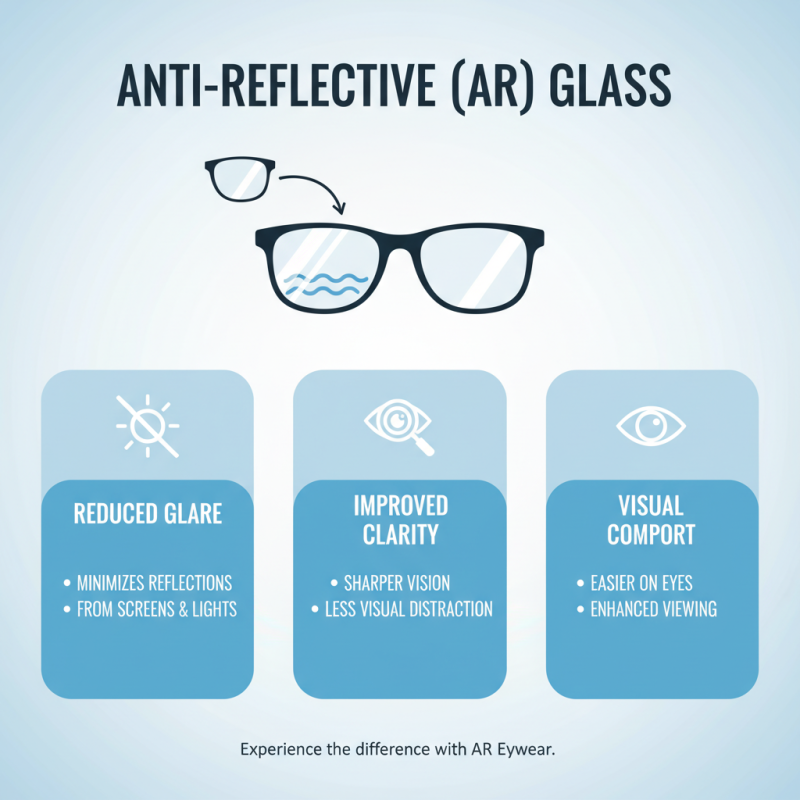
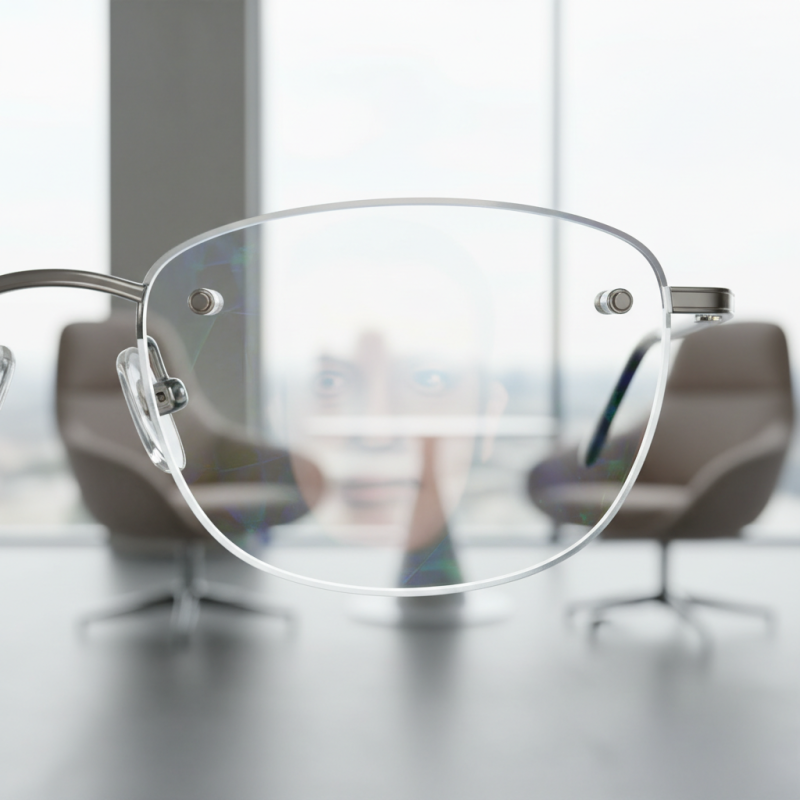
Anti-reflective (AR) glass is designed to reduce glare and improve clarity. This innovative glass plays a crucial role in the visual comfort of those who need eyewear. It helps in reducing reflections that can cause distractions. Many people struggle with glare from screens or bright lights. The use of AR glass can significantly enhance their viewing experience.
The benefits of anti-reflective glass extend beyond aesthetics. It provides clearer vision and reduces eye strain during prolonged use. Imagine reading for hours without the constant interruptions of reflection. However, not all AR coatings are the same. Some products may scratch easily or wear down over time. Choosing the right type is essential for an optimal experience.
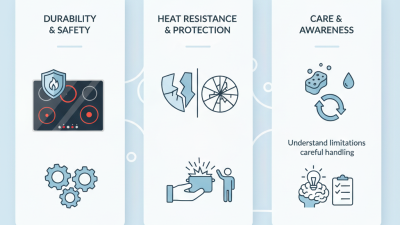
It’s worth noting that maintaining AR glass requires care. Regular cleaning is necessary to keep the lens in top shape. Many users overlook this aspect. They might not realize that dirt and smudges can reduce clarity. Investing in a quality cleaner can help, but even that can be a challenge. The balance between quality, maintenance, and cost needs careful thought.
Types of Anti-Reflective Coatings Available in the Market
When it comes to anti-reflective coatings, several options are available. Broadly, these coatings can be classified into three main types. The first is standard anti-reflective coatings. These are common for regular eyewear. They reduce glare and enhance clarity. However, they might not be sufficient for all users.
Second, there's premium AR coating. This type offers better scratch resistance and durability. It can significantly improve visual comfort, especially in bright conditions. Yet, some users may find that these coatings can be susceptible to smudges. Daily cleaning becomes essential, which isn't always convenient.
Lastly, there's blue light blocking anti-reflective coating. This has gained popularity due to increased screen time. It reduces blue light exposure, helping to decrease eye strain. While beneficial, people sometimes overlook the need for regular eye check-ups. Comfort and clarity depend on more than just coatings; eye health is crucial. These factors should be considered carefully before making a decision.
Key Features to Consider When Choosing Anti-Reflective Glass
When selecting anti-reflective (AR) glass, clarity and comfort are paramount. The coating’s quality impacts visual experience. According to a recent industry report, nearly 80% of users prefer clear lenses that minimize glare. This statistic highlights the need for effective anti-reflective properties.
Key features to consider include coating durability and scratch resistance. A well-coated lens can reduce reflections by over 99%. This statistic is vital for anyone working in bright environments. Users often overlook these elements. If the coating wears off, the benefits diminish rapidly. It's frustrating to invest in glasses that don’t hold up under normal wear.
Additionally, the lens shape should enhance comfort. Different shapes create varying levels of visual distortion. A flat lens may not offer the same clarity as a curved one. Industry statistics suggest that respondents report 30% less eye strain with properly shaped AR glasses. When choosing, it’s crucial to consider personal comfort and actual usage. Each detail matters for an optimal experience.
Comparing Top Brands for Quality and Performance
Anti-reflective (AR) glass has become essential for those seeking clarity and comfort in their daily vision. Choosing the right option requires careful consideration of quality and performance. Many brands offer various features, but not all meet expectations. Some glasses might reduce glare effectively, but their durability may fall short.
When comparing these top brands, it’s vital to examine the coating quality. Some coatings may scratch easily, leading to diminished effectiveness. Look for those that promise resistance to smudges and fingerprints. You want to maintain clear vision with minimal effort.
Tips: Always check user reviews for real-life experiences. Sometimes, a product that looks good may disappoint when used over time. Additionally, consider your environment. If you spend hours in front of screens, prioritize glasses with blue light filtering. Test a few options in-store. It's crucial to see how they perform under various lighting conditions. Balancing comfort and clarity is key, yet it often requires trial and error.
Best Anti Reflective Glass for Ultimate Clarity and Comfort
| Feature |
Brand A |
Brand B |
Brand C |
Brand D |
| Clarity Rating |
95% |
93% |
97% |
90% |
| Scratch Resistance |
High |
Medium |
High |
Low |
| UV Protection |
99% |
98% |
99% |
97% |
| Anti-Glare Performance |
Excellent |
Good |
Excellent |
Fair |
| Price Range |
$150 - $200 |
$120 - $180 |
$160 - $220 |
$100 - $150 |
Real-Life Applications of Anti-Reflective Glass in Daily Use
Anti-reflective (AR) glass enhances clarity and reduces glare in everyday applications. This feature is vital for users who spend long hours in front of screens. A report by the Optical Society of America indicates that nearly 75% of Americans experience digital eye strain. AR coatings can help alleviate this issue.
These coatings are common in eyeglasses, improving vision by minimizing reflections. They also play a crucial role in camera lenses and binoculars. By reducing light reflection, AR glass allows more light to enter, enhancing image quality. In photography, AR glass can improve color accuracy and contrast, making pictures more vibrant and lifelike.
AR glass is not without its flaws. In some cases, it can be more prone to scratches. Users must handle it carefully to avoid damage. Additionally, while AR coatings greatly improve visibility, they may not eliminate all reflections. Users often find a need for adjustments in different lighting conditions. This shows that while the benefits of AR glass are evident, there is room for improvement in durability and adaptability.


 Phone
Phone Send Email
 whatsapp
 Facebook