10 Best LED Lighting Glass Products for Global Buyers
Choosing the right Led Lighting Glass product involves more than comparing shape, brightness, and price. Global buyers must assess optical clarity, heat resistance, surface finish, and compatibility with different LED modules. A decorative glass cover may look beautiful in a showroom, yet perform poorly under constant heat or rough transport conditions. Small details matter. Edge polishing, wall thickness, and packaging design can affect installation, safety, and long-term appearance.
This guide presents ten notable LED lighting glass products for international sourcing and project planning. The selection considers practical factors such as light diffusion, color consistency, customization options, production capacity, and quality-control records. It also highlights applications ranging from hotel pendants and restaurant sconces to outdoor fixtures and architectural installations. Buyers should still verify laboratory reports, material specifications, and applicable market requirements before placing orders. Supplier claims are not enough. Samples deserve careful inspection under real lighting conditions, including warm and cool color temperatures. In some cases, the most attractive design may not offer the best balance between durability and cost. That is worth questioning. Production tolerances can also vary between batches, especially with handmade or textured glass. Experienced sourcing teams therefore request approved samples, clear drawings, inspection standards, and replacement terms. These steps reduce uncertainty without eliminating it. The following products offer a practical starting point for buyers seeking reliable performance, distinctive design, and better-informed purchasing decisions across global markets.
What LED Lighting Glass Products Are and How They Work
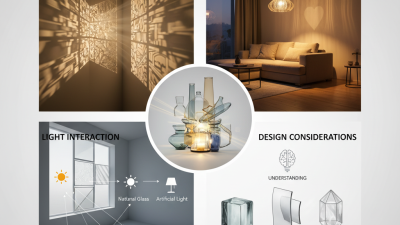
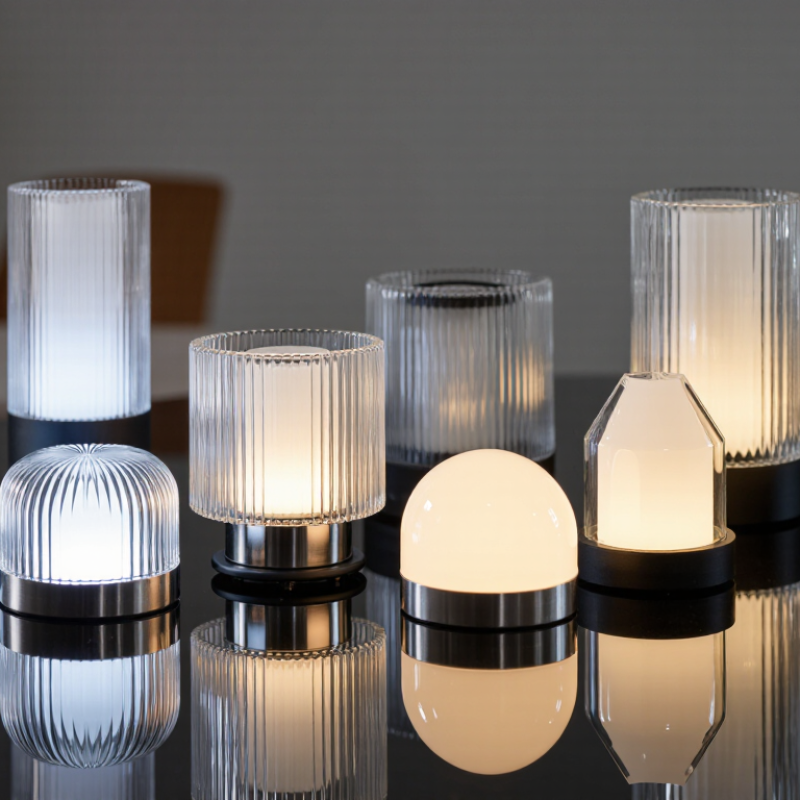
LED lighting glass products combine light-emitting diodes with a glass bulb, tube, cover, or diffuser. The glass protects sensitive components from dust, moisture, and accidental contact. It also shapes the light. Clear glass produces a sharper beam, while frosted glass spreads light across a wider area. Some products use textured or colored glass for decorative effects.
Inside the product, an LED converts electrical energy into visible light through a semiconductor junction. A driver controls the incoming current and helps maintain stable performance. The glass enclosure supports optical control, but it does not replace proper thermal design. Heat must move through the circuit board, housing, and surrounding air. Poor ventilation can shorten LED life, even when the glass looks attractive. That detail is often overlooked.
Global buyers should check voltage, frequency, lumen output, color temperature, color rendering index, and socket type. For outdoor use, confirm the ingress protection rating and temperature range. Tempered or heat-resistant glass may improve safety in demanding environments. However, stronger glass does not guarantee better lighting. Testing reports, material specifications, and factory quality records provide more reliable evidence. In practical purchasing, compare samples under real conditions. A product may look excellent in a showroom but create glare above a worktable. Careful evaluation remains necessary.
Key Criteria for Comparing LED Lighting Glass Products
Comparing LED lighting glass begins with optical performance, not appearance. Check visible transmittance, haze, colour consistency, and beam control under the same test conditions. A clear cover may transmit more light, yet produce uncomfortable glare. Frosted glass can improve diffusion, but it may reduce delivered lumens. The U.S. Department of Energy’s Solid-State Lighting reports identify efficacy and optical control as major drivers of LED energy savings. Ask suppliers for integrating-sphere results, not only showroom samples.
Thermal and mechanical data matter equally. Compare softening point, thermal-shock resistance, impact strength, UV stability, and thickness tolerance. A cover near a hot LED module needs stable dimensions after repeated operating cycles. IEC 60598 testing can help verify luminaire safety, while ISO 4892 methods support accelerated weathering evaluations. Documentation should include test laboratories, sample dimensions, and test dates. Missing details are warning signs.
Do not ignore maintenance. The International Energy Agency’s Energy Efficiency 2024 report continues to identify efficient lighting as a practical route for reducing electricity demand. Glass that yellows, crazes, or collects dust can erase those gains. In our evaluations, tiny edge chips sometimes appeared only after packaging simulation. That result changed the purchasing decision. Recyclability, local compliance, packing strength, and replacement availability should also enter the comparison. A perfect optical result is not enough. Suppliers should disclose variation between batches, because one sample can look better than reality.
Ten Leading LED Lighting Glass Products for Global Buyers
Ten Leading LED Lighting Glass Products for Global Buyers
The ten leading LED lighting glass products serve different spaces, climates, and installation needs. Clear LED filament bulbs create visible glowing lines in restaurants, hotels, and homes. Frosted LED bulbs provide softer light for bedrooms and reception areas. Globe glass bulbs add broad illumination above dining tables and counters. LED tube covers protect internal components while maintaining even brightness. Flat panel diffusers reduce harsh glare in offices and classrooms. Precision glass lenses shape narrow beams for retail displays and galleries. Decorative pendant glass brings texture through ribbed, opal, or smoked surfaces. Sealed outdoor LED glass fixtures resist moisture when correctly designed. High-temperature glass shades suit kitchens and industrial interiors. Smart-compatible glass bulbs support connected lighting systems, although compatibility requires careful testing.
Tips: Check glass thickness, heat resistance, light transmission, and socket dimensions before ordering. Ask for photometric data and sample pieces. Small differences matter. Confirm packaging tests for long-distance shipping and inspect edge protection. Buyers should also review applicable electrical and safety requirements in each destination market. Certification names vary by region, so independent verification is wise.
In practical sourcing, appearance alone is not enough. A beautiful shade may produce uneven shadows or trap excess heat. I have seen promising samples fail after repeated temperature cycles. That lesson is easy to overlook. Request aging tests, color consistency records, and installation photographs. Also compare replacement availability, cleaning needs, and recycling considerations. Reliable suppliers explain limitations clearly, instead of promising perfect performance in every environment.
How to Select, Source, and Evaluate the Right Product Supplier
Global buyers should treat LED lighting glass as an optical component, not decoration. Product selection starts with application: frosted glass softens glare, while clear optical glass improves beam transmission. The U.S. Department of Energy reports that LEDs use at least 75% less energy and can last up to 25 times longer than incandescent lamps. However, poor glass quality can reduce those benefits through heat buildup, yellowing, or uneven diffusion.
Supplier evaluation needs measurable evidence. Request spectral transmittance, haze, thermal-shock, UV-aging, and impact-test results for each glass type. Ask whether testing covers the actual thickness, coating, and operating temperature. The International Energy Agency’s Energy Efficiency 2023 report identifies lighting efficiency as an important global electricity-saving opportunity. That makes optical performance commercially important, not merely technical. Still, numbers can mislead. A high transmittance figure may hide glare or weak temperature resistance.
During sourcing, inspect pilot samples under real conditions: a hot LED module, repeated switching, and several viewing angles. Confirm batch traceability, dimensional tolerance, packaging protection, and production capacity before signing larger orders. Review independent laboratory reports, quality-control records, and corrective-action history. Supplier experience matters, but documented process control matters more. I would also compare two or three sample batches, because one excellent sample proves very little. A low quotation may reflect thinner glass, weaker inspection, or unstable coating quality. Ask difficult questions early. That saves expensive redesigns later.
10 Best LED Lighting Glass Products for Global Buyers
Typical visible light transmittance (VLT) benchmarks help buyers compare optical efficiency when selecting, sourcing, and evaluating LED lighting glass suppliers. Higher VLT generally indicates greater light transmission, while frosted, opal, colored, and anti-glare finishes provide different diffusion or visual-comfort benefits.
Reference values represent commonly specified VLT levels for general architectural and commercial LED lighting applications. Actual performance depends on glass thickness, coating, texture, color, and manufacturing tolerances. Request photometric reports and production samples before placing a bulk order.


 Phone
Phone Send Email
 whatsapp
 Facebook