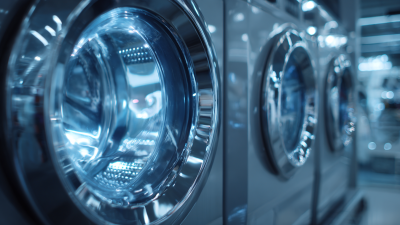
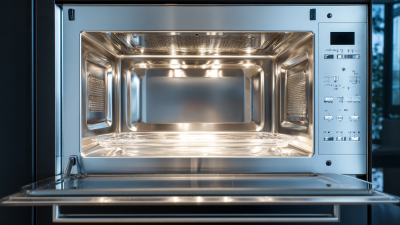
Best Tempered Glass for Household Appliances What You Need to Know?
When it comes to choosing materials for household appliances, tempered glass stands out. This material combines safety and elegance. Tempered Glass for Household Appliance provides a sleek look, enhancing overall aesthetics.
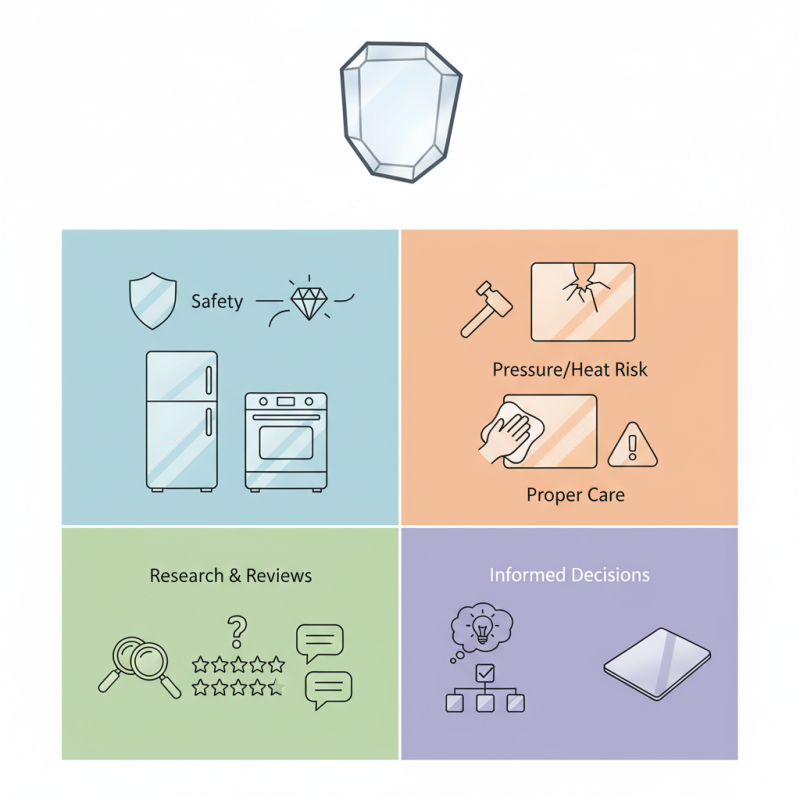
Using tempered glass can be tricky. Not all products are made equally. Some might break under pressure or heat. That's a risk homeowners should consider. Proper care is essential to maintain its durability. Understanding how to handle it can prevent accidents.
Moreover, the quality of tempered glass varies widely. Consumers must research products thoroughly. Reading reviews and checking ratings is vital. Awareness of differences can lead to informed decisions. Ultimately, incorporating tempered glass requires careful thought and attention.
Types of Tempered Glass Used in Household Appliances
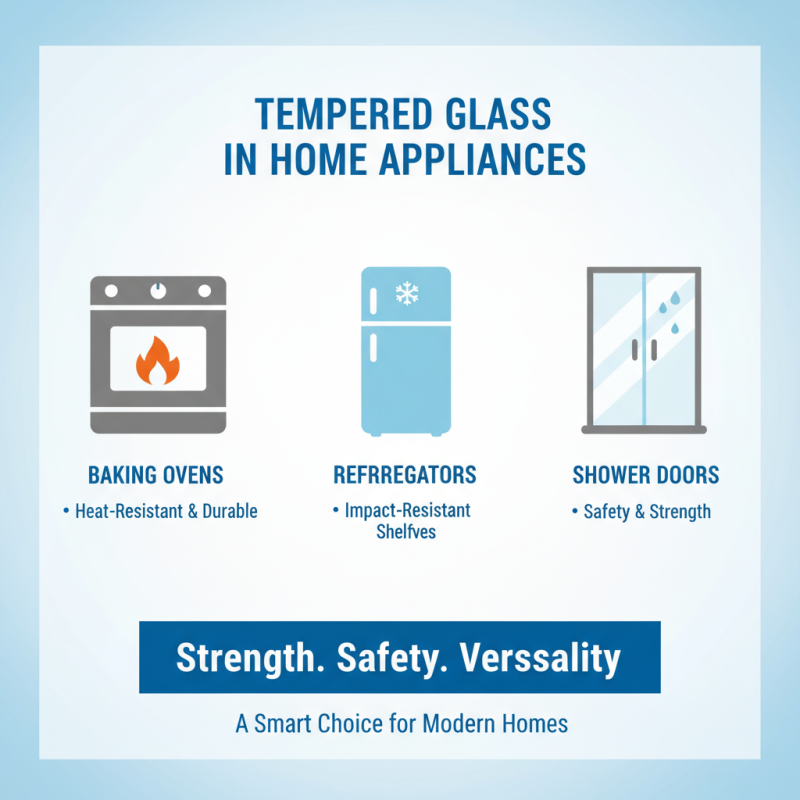
Tempered glass is a popular material in household appliances. It is known for its strength and safety. Various types of tempered glass are used in these appliances, such as baking ovens, refrigerators, and even shower doors. Each type serves a distinct purpose and comes with unique features.
One common type is heat-treated glass. This glass can withstand high temperatures, making it ideal for oven doors. It resists thermal shock well. Another type is laminated tempered glass. This version has an interlayer that holds the glass together if broken. It is perfect for safety in homes, especially around children.
Tips: Choose the right type based on your needs. For example, if you cook a lot, opt for heat-treated glass. Always consider safety features in your choices. Not all types are suitable for every appliance. It's essential to understand the environment where the glass will be used. A small misjudgment can lead to accidents.
Benefits of Using Tempered Glass in Home Products
Tempered glass is becoming a popular choice for household appliances. Its benefits are significant. For one, it is much stronger than regular glass. This means it can withstand more impact, making it safer for use in the home. Many people fear shattered glass, especially with children around. Tempered glass shatters into small, round pieces instead of sharp shards. This reduces the risk of injury greatly.
Another point to consider is the thermal resistance of tempered glass. It can handle temperature fluctuations better than regular glass. For instance, using tempered glass in kitchen appliances, such as oven doors, is safe. It can endure the heat without cracking. However, not all tempered glass displays are foolproof in every scenario. Some users have reported instances of minor imperfections, which left them questioning its reliability.
Additionally, tempered glass has a sleek and modern aesthetic. Its smooth surface is easy to clean and maintain. This makes it a favorable choice for keeping homes looking tidy. However, it does require careful handling during installation. Some may find it challenging to achieve the perfect fit. There can be underlying issues if it's not installed correctly. Overall, tempered glass has many advantages, but it is essential to weigh its practicality for your specific needs.
Factors to Consider When Choosing Tempered Glass
When choosing tempered glass for household appliances, several factors demand attention. The thickness of the glass is paramount. Standard thickness ranges from 6mm to 20mm. Thicker glass offers enhanced durability. It can withstand more heat and pressure. Yet, it also increases the weight of the appliance.
Another crucial aspect is the thermal resistance of the glass. According to industry reports, tempered glass can endure temperature changes up to 200 degrees Celsius. This feature is vital for appliances that involve high heat, like ovens and stoves. However, not all tempered glass is created equal. Some may chip or break under extreme conditions.
Additionally, the clarity of the glass should not be overlooked. High-quality tempered glass offers excellent visibility, enhancing the appliance's aesthetics. This enhances user experience but may also increase costs. Cost is a significant factor to consider. Cost-effective options might not always offer the best performance. Reflect on your needs versus the investment you're willing to make. It's a balance between aesthetics, durability, and cost-effectiveness.
Installation Tips for Tempered Glass in Appliances
When installing tempered glass in household appliances, proper technique is vital. Ensure you measure the area accurately before cutting the glass. Miscalculations can lead to poor fitting and safety hazards. Use the right tools for cutting. A glass cutter and straight edge can help achieve clean edges.
Tips for handling glass safely are crucial. Always wear gloves to protect your hands. Small shards can cause serious injuries. Be cautious while working with edges and corners, as they are more prone to breakage.
One common issue arises from improper support. Tempered glass needs stable backing for safety. Ensure the installation frame is level and can support the weight. This will prevent stress points that could lead to cracking. Avoid using too much pressure during installation, as this can create flaws.
Maintenance and Care for Tempered Glass Surfaces
Caring for tempered glass surfaces in household appliances is crucial. These surfaces, while durable, demand proper maintenance to retain their clarity and functionality. Regularly dust with a soft, lint-free cloth to prevent scratches. Wet cleaning with a mild soap solution is often effective. Avoid harsh chemicals that can damage the glass. A gentle touch goes a long way.
Stains and fingerprints can be persistent. It’s best to clean these promptly. Neglecting them can lead to more significant buildup. Using microfiber cloths can help achieve a streak-free shine. However, not everyone takes the time to do this regularly. Some people may overlook the importance of this maintenance.
Temperature changes can also impact glass. Sudden exposure to extreme heat or cold can cause it to crack. Be mindful of placing hot items directly on glass surfaces. It’s easy to forget this and later face costly repairs. Lastly, consider using coasters or protective mats to extend the life of your tempered glass surfaces. Simple steps can prevent larger problems down the line, so keep these in mind.
Best Tempered Glass for Household Appliances What You Need to Know? - Maintenance and Care for Tempered Glass Surfaces
| Dimension |
Characteristics |
Care Tips |
| Thickness |
Typically 4mm to 10mm |
Use microfiber cloth for cleaning |
| Resistance |
High resistance to scratches and heat |
Avoid abrasive cleaners |
| Safety |
Shatters into small, blunt pieces |
Inspect for cracks regularly |
| Maintenance Frequency |
Monthly deep cleaning recommended |
Use glass cleaner solutions |
| Temperature Tolerance |
Can withstand up to 200°C |
Avoid sudden temperature changes |


 Phone
Phone Send Email
 whatsapp
 Facebook