Best Toughened Glass for LED Lighting in 2026?
In the rapidly evolving world of lighting technology, the demand for high-quality materials is paramount. Toughened glass has emerged as a key component in LED lighting solutions. Dr. Emily Carter, a leading expert in lighting technology, has remarked, “Toughened Glass For LED Lighting is not just durable; it's essential for optimal performance.” This statement highlights the critical role of toughened glass in enhancing the lifespan and efficiency of LED fixtures.
As we look toward 2026, the market trends indicate a growing focus on sustainability and energy efficiency in LED applications. Toughened glass is becoming a preferred choice due to its ability to withstand high temperatures and impact. It not only ensures longer durability but also helps in heat management, which is crucial for LED longevity. However, the industry still faces challenges. Manufacturers must grapple with balancing cost and quality while innovating to meet consumer expectations.
Some might argue that tougher glass could increase production expenses. This concern raises questions about affordability and accessibility in the market. There is an ongoing reflection on how to make high-quality toughened glass more accessible. The future seems promising, yet it requires thoughtful innovation and collaboration among industry players to leverage the full benefits of Toughened Glass For LED Lighting.
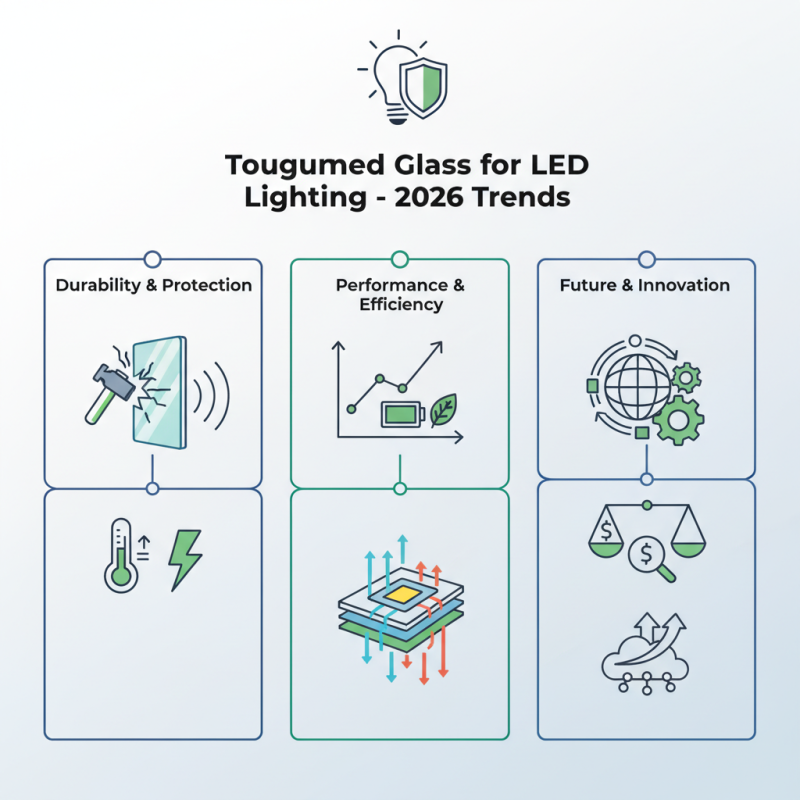
Understanding the Benefits of Toughened Glass for LED Lighting Applications
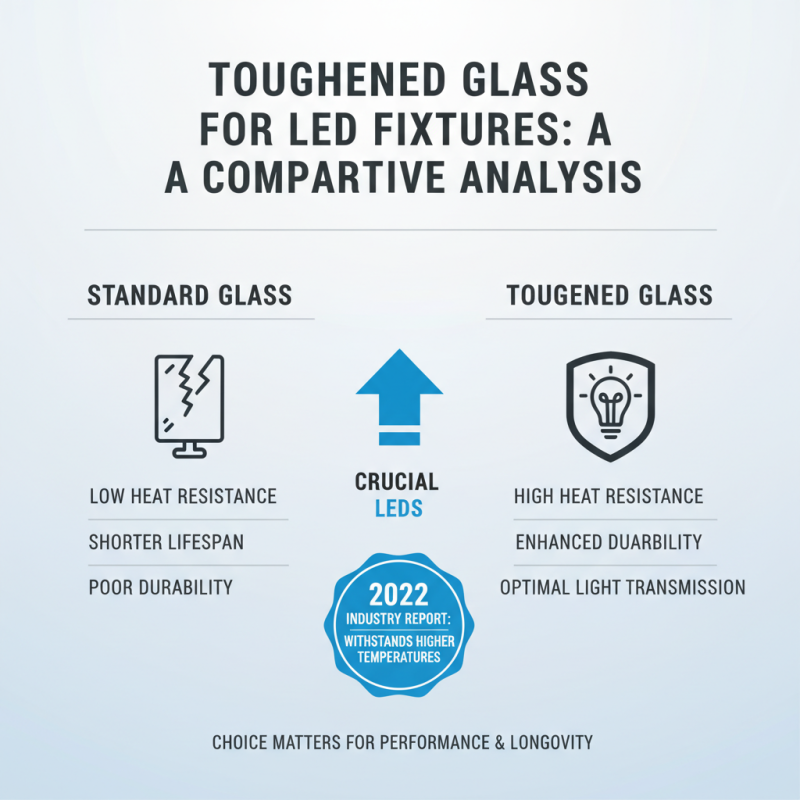
Toughened glass has become essential for LED lighting applications. Its strength and durability enhance the performance of lights in various settings. This type of glass withstands impact better than standard glass, making it safer for use in homes and public spaces. It's resistant to thermal stress, reducing the risk of breakage from heat generated by LED fixtures.
Another critical benefit is its clarity. Toughened glass allows maximum light transmission. This ensures that the output from LED lights is not hindered. Moreover, it is easy to clean and maintain, which is vital for installations in high-traffic areas. While toughened glass is not entirely unbreakable, its resistance does offer peace of mind.
However, there are considerations. Not all applications may require toughened glass. Its higher cost can be a factor that needs reflection. We must weigh durability against budget constraints. Choosing the right material involves assessing specific needs and environments. Ultimately, toughened glass brings significant advantages for LED lighting, but careful thought is necessary to ensure it meets the project's requirements.
Key Features to Look for in Toughened Glass for LED Lighting
When choosing toughened glass for LED lighting, several key features stand out.
Durability is paramount. Toughened glass can withstand heat and impact. It’s essential for environments with fluctuating temperatures. This makes it suitable for various applications, from homes to commercial spaces.
Optical clarity is another critical aspect.
Clear glass enhances light output and color accuracy. It ensures that LED lights shine brightly and true to their intended color. Look for glass with a low distortion rating. This factor affects the final aesthetic of any LED fixture.
Additionally, consider UV resistance.
Some toughened glasses protect against harmful UV rays. This feature can extend the lifespan of both the glass and the LED lights. The level of thermal resistance is also important. Glass that can endure heat changes reduces the risk of cracking.
It's wise to take time and research different options.
Each project may require specific glass types. Balancing aesthetics with functionality is key.
Top Manufacturers of Toughened Glass for LED Lighting in 2026
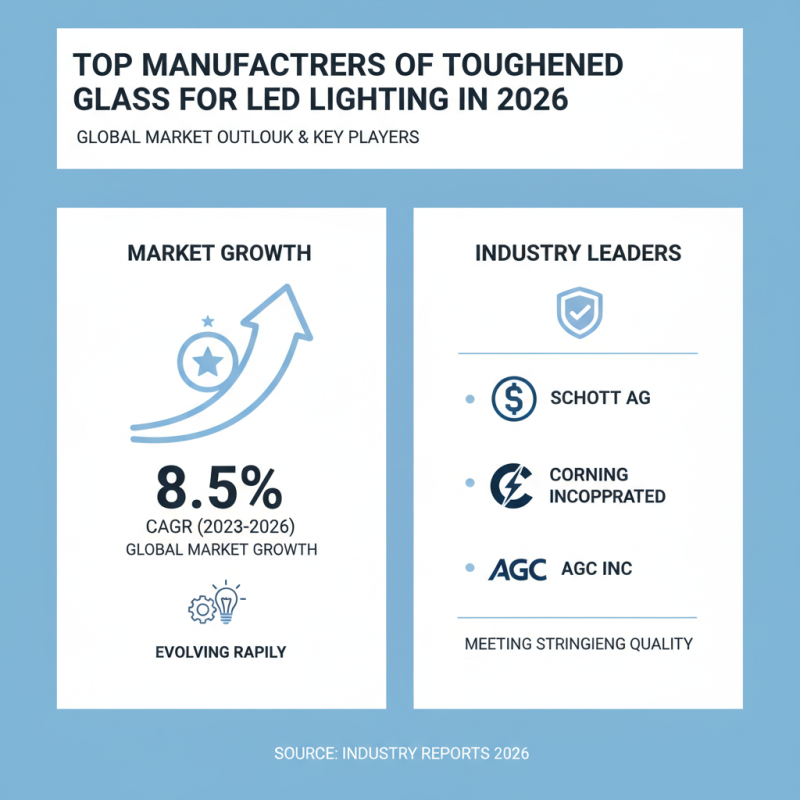
The toughened glass market for LED lighting is evolving rapidly. According to industry reports, the global market is expected to grow at a CAGR of 8.5% from 2023 to 2026. Several manufacturers are stepping up to meet this rising demand. While many companies are producing toughened glass, not all meet the stringent quality requirements.
Key players in the market focus on innovations, such as enhanced thermal resistance and durability. Research shows that products with superior strength can significantly reduce the risk of breakage in various environments. However, some manufacturers still struggle with consistency in their production processes, leading to quality discrepancies. This inconsistency can affect the longevity and safety of LED lighting installations.
The importance of selecting reliable manufacturers cannot be overstated. A recent survey indicated that 75% of lighting professionals prioritize glass quality over cost. This statistic underscores the need for tougher industry standards. In an increasingly competitive landscape, manufacturers must adapt to technological advancements to maintain their market position. Each year brings new challenges, and ongoing improvement is vital for success.
Future Trends in Toughened Glass Technology for LED Lighting Solutions
The evolution of toughened glass technology is crucial for LED lighting solutions. As energy efficiency becomes more critical, manufacturers seek materials that enhance performance. Toughened glass provides superior durability and thermal resistance. These properties help to maximize the lifespan of LED lights.
Advancements in coating techniques will play a significant role in the future. Smart coatings can enhance light transmission while reducing glare. This feature allows for improved visual comfort in various environments. However, more research is needed to optimize these coatings for long-term use.
Environmental considerations are increasingly relevant. While toughened glass is recyclable, the energy used in its production raises questions about sustainability. Innovations must focus on reducing the carbon footprint of manufacturing processes. The industry may look at alternative materials or methods to balance durability with environmental impact.
Best Toughened Glass for LED Lighting in 2026


 Phone
Phone Send Email
 whatsapp
 Facebook