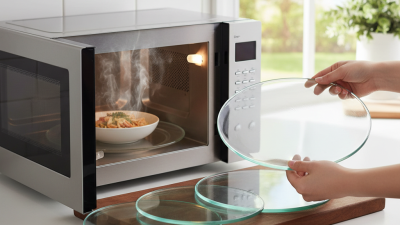
Best Toughened Glass for Oven Options You Can Trust?
When it comes to kitchen safety and functionality, choosing the right materials is paramount. Toughened Glass for Oven has become a go-to choice for many homeowners and chefs alike. According to a report by the International Glass Association, the global market for toughened glass is projected to grow significantly, with a notable increase in applications for kitchen appliances.
Toughened glass offers superior heat resistance and durability, making it ideal for oven use. In fact, research from the National Kitchen and Bath Association indicates that consumers prioritize safety and efficiency when selecting oven materials. A proper understanding of toughness ratings and heat tolerance is essential when selecting the best options. However, not all products labeled as toughened glass meet the same standards.
While toughened glass is designed to endure high temperatures, it is important to consider factors like thickness and quality. Even the best choices can suffer from flaws, such as scratches or chips, affecting their performance. Users must understand the significance of selecting reputable brands that adhere to industry regulations, ultimately enhancing kitchen safety and cooking efficiency. Understandably, the journey to finding the right toughened glass for oven can be complex, calling for informed decisions based on reliability and performance data.
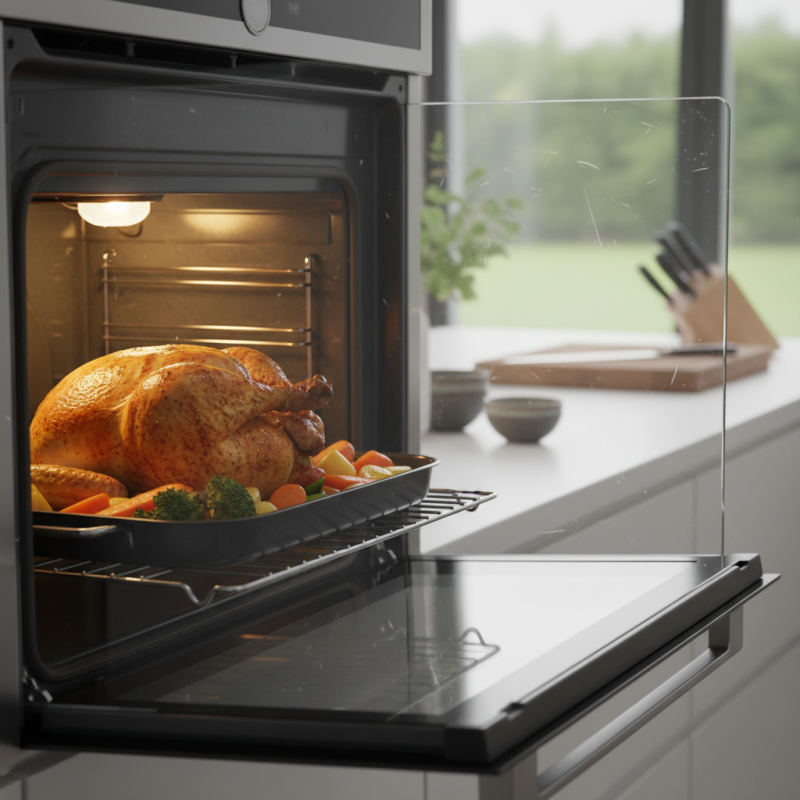
What is Toughened Glass and Why It’s Used in Ovens
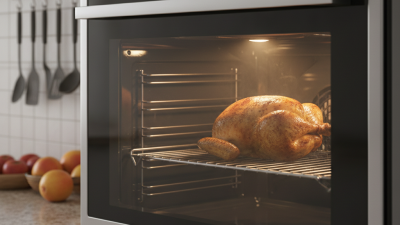
Toughened glass, also known as tempered glass, is specially treated to withstand high temperatures. Its enhanced strength makes it a popular choice for ovens. This type of glass can handle sudden temperature changes. Regular glass would shatter under such conditions, but toughened glass remains intact.
The process of toughening involves heating the glass to extreme temperatures and then cooling it rapidly. This technique creates internal tension that increases durability. As a result, toughened glass is more resistant to thermal stress and impact. When used in ovens, it provides a safer cooking environment.
Cookware made from toughened glass often features a sleek design. It's also easy to clean, making it a practical choice. However, some may overlook its limitations. While toughened glass is strong, it is not unbreakable. Care should be taken when handling. Remember, the right choice in materials can greatly enhance your cooking experience.
Types of Toughened Glass Suitable for Oven Use
When selecting toughened glass for oven use, the types available can greatly influence safety and performance. Toughened glass, known for its strength, typically undergoes a tempering process. This process involves heating the glass to over 600°C and then cooling it rapidly. According to industry reports, this method can increase glass strength by up to five times compared to standard glass.
One common type of toughened glass used in ovens is borosilicate glass. It withstands thermal shock well, making it ideal for oven environments. This type can tolerate extreme temperature changes without cracking. Reports indicate that borosilicate glass can handle temperatures from -40°C to 500°C. Another option is soda-lime glass, often used for oven doors. Although it is less resistant to thermal shock, when properly tempered, it provides decent heat resistance for cooking.
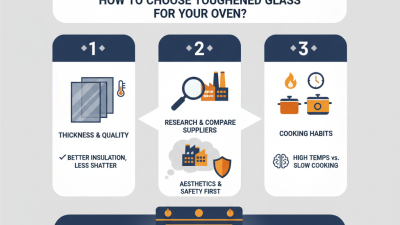
When choosing toughened glass, consider its thickness. Thicker glass provides better durability, but may also increase weight. Research suggests that measurements of at least 4mm thickness are generally favorable for oven use. It’s also important to think about potential flaws. Even minor imperfections can weaken the glass and lead to risks when heated. Investing in high-quality toughened glass may prevent these issues and enhance safety in kitchen environments.
Key Features to Look for in Toughened Glass for Ovens
When selecting toughened glass for ovens, its durability is key. Toughened glass can withstand high temperatures without shattering. Look for glass that can endure extreme heat changes. A reliable option often resists thermal shock, which is crucial during cooking.
Evaluate the thickness of the glass; thicker options provide better resistance to breakage. A minimum of 4mm thickness is recommended. Pay attention to the finish as well—smooth surfaces are easier to clean and maintain. Consider whether the glass has anti-scratch properties. This ensures longevity and keeps it looking new despite heavy use.
Tip: Always check the manufacturer’s specifications. They often indicate the glass's heat limit. If the information is unclear, seek expert advice. It’s better to be safe. Remember that even toughened glass requires proper handling. Mishandling can lead to unexpected damage. Consider using protective gloves while installing or cleaning to avoid accidents.
Safety Considerations When Using Toughened Glass in Ovens
When using toughened glass in ovens, safety must be a priority. Toughened glass can withstand high temperatures, but it can still break. It's crucial to check for any cracks or chips before use. Even small imperfections can compromise the glass’s structural integrity.
Repairing or replacing damaged glass can be costly, so consider routine inspections. Always handle the glass with care, especially when hot. Using appropriate oven mitts can prevent burns and spills. Additionally, follow clear instructions for your specific oven type.
Tips for safe use include keeping the glass away from direct heat sources. Sudden temperature changes can cause shattering. Preheating the oven gradually is a good practice. Store toughened glass in a safe manner, avoiding heavy items on top. With careful usage, toughened glass can be a reliable option for your cooking needs.


 Phone
Phone Send Email
 whatsapp
 Facebook