Why Choose Anti Glare Glass for Your Business Needs?
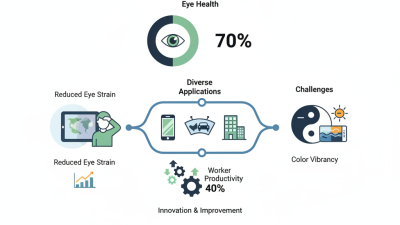
In the contemporary business landscape, the choice of materials significantly impacts workplace productivity. One such material gaining attention is Anti Glare Glass. According to a report from the Glass Association, over 70% of office workers experience eye strain due to glare from screens and windows. This can lead to decreased efficiency and increased fatigue.
Dr. Emily Harris, an optics specialist, states, “Investing in Anti Glare Glass is not just about aesthetics; it's about enhancing employee wellness and performance.” Her insight reflects a growing trend among businesses prioritizing employee health. Anti Glare Glass reduces glare without compromising brightness, creating a more comfortable work environment.
Moreover, the market for Anti Glare Glass is projected to grow by 15% yearly, as more businesses recognize its benefits. However, not all glass solutions are created equal. Some products may still reflect light adversely, making careful selection crucial. Businesses must consider their specific needs, balancing cost and quality for optimal results.

Understanding Anti Glare Glass and Its Benefits
Anti-glare glass is a crucial innovation for modern businesses. It is designed to minimize reflections and enhance visibility. This becomes particularly important in areas with strong lighting or multiple screens. By reducing glare, employees can work more comfortably for longer periods. This can lead to increased productivity.
Employers also benefit from improved safety. Glare can cause discomfort and even eye strain. Anti-glare glass reduces these risks, fostering a more focused work environment. Clients and customers will appreciate clear displays, too. Their experiences are enhanced when they can see information without distraction.
Despite its clear advantages, choosing anti-glare glass requires careful consideration. Not all surfaces are the same. Some may not fully eliminate reflections, and scratches could still occur. Businesses must evaluate their specific needs. Taking time to assess different options is wise. This can be a process, but the long-term benefits are often worth it.
Benefits of Anti Glare Glass for Businesses
Key Features of Anti Glare Glass for Commercial Use
When considering anti glare glass for commercial use, its features stand out markedly. One key benefit is reduced eye strain. According to a study by the Optical Society, up to 76% of employees report visual discomfort from glare. Anti glare glass mitigates this issue significantly, enabling a more comfortable working environment. This is particularly crucial in settings with extensive computer use.
Furthermore, anti glare glass can enhance productivity. Research from the National Institute for Occupational Safety and Health shows that better visual comfort can lead to a 10-20% increase in productivity. The glass works by diffusing reflections, allowing for clearer visibility. It also helps in improving aesthetics and overall workplace design, crucial for attracting clients and retaining employees.
However, it is important to consider the initial cost. Anti glare glass can be pricier than regular glass. Businesses must weigh the long-term benefits against the upfront investment. While many report reduced headaches and improved focus, not all establishments might see immediate returns. Regular feedback from employees can guide decisions for future purchases. Balancing cost with employee well-being is essential in choosing the right glass for commercial needs.
Applications of Anti Glare Glass in Different Industries
Anti glare glass plays a critical role across various industries. In healthcare facilities,
glare reduction is vital for both patients and staff. A report from the American Medical Association highlights that over
50% of healthcare professionals suffer from glare-related eye strain. Implementing anti glare surfaces can significantly enhance the
workplace comfort.
In the retail sector, anti glare glass improves the shopping experience.
Customers are more likely to engage with displays when reflections are minimized. Data from a retail studies report shows a
20% increase in customer dwell time when anti glare glass is employed. This indicates that glare management is not just
a design choice but a strategic business decision.
Manufacturing areas benefit as well. Factory floors often have intense lighting, which can lead to visual discomfort. Incorporating
anti glare glass can reduce this issue. However, some challenges remain. The installation costs can deter businesses,
and not every glass type offers the same effectiveness. Research continues to evolve, and some solutions may not address all lighting conditions.
Comparing Anti Glare Glass with Standard Glass Options
When considering glass solutions for your business, the choice between anti-glare glass and standard glass is significant.
Anti-glare glass minimizes reflections and distractions, creating a more comfortable environment for employees and customers.
It enhances visibility in bright lighting, making it ideal for offices and retail spaces.
Standard glass, while cheaper, often causes glare that can lead to eye strain.
In areas with intense lighting, standard glass can reflect harsh light, distracting employees and deterring customers.
Anti-glare glass fosters a welcoming atmosphere by reducing this reflection.
It's especially beneficial in places like design studios and meeting rooms where clarity is crucial.
The investment in anti-glare glass often pays off in productivity and customer satisfaction. However, it is essential to consider the installation costs.
While many businesses lean toward standard options for cost savings, they may overlook the long-term benefits of anti-glare glass.
Sometimes, these short-term savings result in reduced employee comfort and productivity.
Choosing the right type of glass isn't just about price; it’s about creating an environment that enhances performance.
Reflecting on your space's needs can lead to a more thoughtful decision.
Cost Considerations in Choosing Anti Glare Glass for Businesses
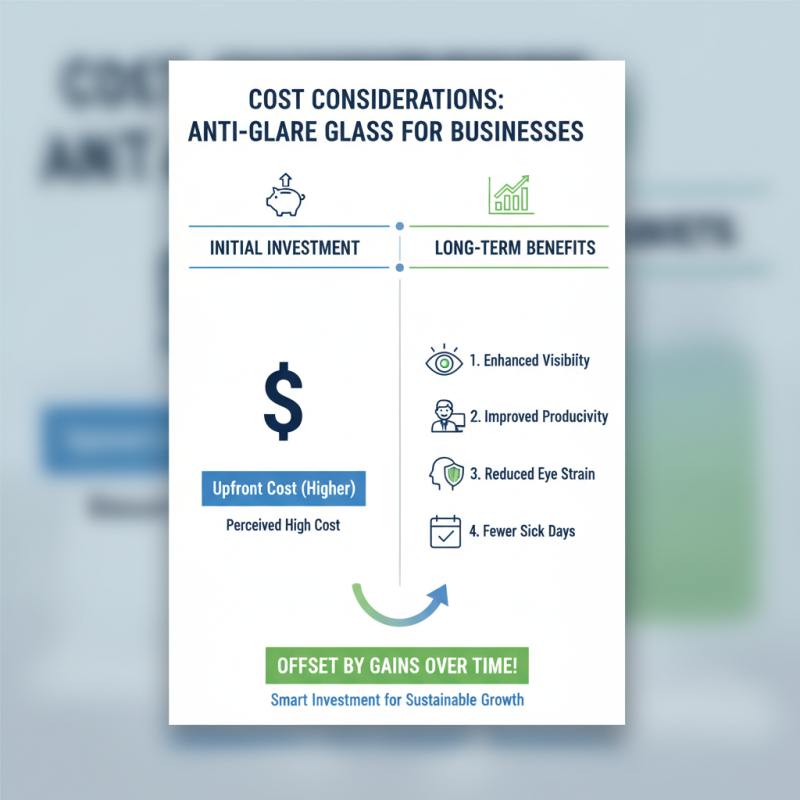
When considering anti-glare glass for business, cost is a primary concern. The initial investment might seem high but think about the long-term benefits. Enhanced visibility leads to better productivity. Employees can work more comfortably, reducing eye strain. This can result in fewer sick days. The upfront cost may be offset by these gains over time.
Maintenance is another factor. Anti-glare glass is often easier to clean and less likely to show smudges. This can save money in cleaning supplies and time spent on maintenance. Durable options may also reduce the need for replacements, further cutting costs in the long run.
Reflect on the aesthetic appeal as well. Anti-glare glass offers a sleek, modern look. This can elevate the overall perception of your business. Customers notice these details and may feel more at ease in a well-designed environment. Balancing aesthetics with practicality, businesses must weigh the cost against the potential benefits and see if it aligns with their vision.


 Phone
Phone Send Email
 whatsapp
 Facebook