How to Choose the Best Lighting Glass for Your Home?
Choosing the right lighting glass is crucial for your home. This choice influences both aesthetics and functionality. The right lighting glass can enhance a room's mood and ambiance. It also affects how light disperses in your space.
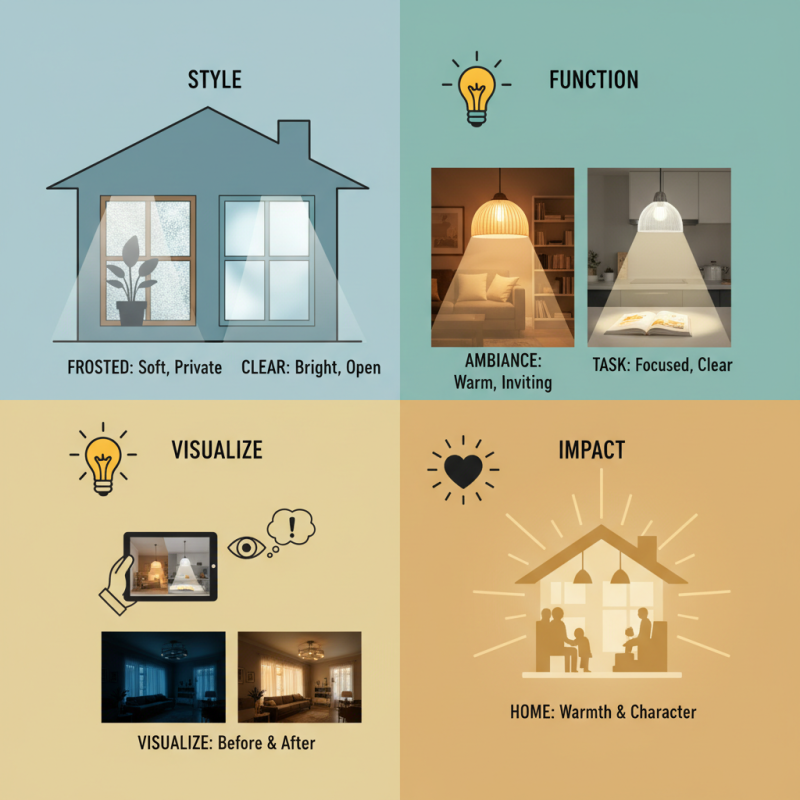
Consider the style of your home. Different lighting glass designs serve various purposes. For instance, frosted glass offers privacy but may dim brightness. Clear glass maximizes light but might reveal clutter. The balance can be challenging.
Reflect on your daily activities and the atmosphere you desire. An inviting glow can transform a cold space. However, picking the wrong lighting glass can lead to regrets. Always visualize before making your decision. The right choice ensures that your home radiates warmth and character.
Factors to Consider When Choosing Lighting Glass for Your Home
Choosing the right lighting glass for your home can greatly affect ambiance. It's important to think about how different materials interact with light. According to the American Lighting Association, glass can influence up to 50% of the perceived brightness in a room.
When selecting lighting glass, consider the design and style of your space. Clear glass offers a modern look, while frosted options create a softer glow. Textured glass provides a decorative element that can transform a basic fixture. Pay attention to the color as well. Warm tones can make a room feel inviting, while cooler shades may evoke a more contemporary vibe.
Tip: Measure your space carefully. Lighting glass should complement the scale of your fixtures.
Also, think about maintenance. Some glass materials attract dust and fingerprints more than others. Choosing a less porous surface may save you cleaning time. Remember, your choices don’t have to be perfect, but they should reflect your unique style. Take time to explore different options. It’s okay to trial and error until you find the best fit for your home.
Factors Affecting Lighting Glass Choices
Types of Lighting Glass and Their Aesthetic Appeal
When it comes to selecting lighting glass for your home, understanding the types available is key.
Clear glass offers a modern and clean aesthetic. It allows maximum light penetration. However, it may expose wiring and bulb imperfections.
Frosted glass adds softness and diffuses light gently. It grants privacy without sacrificing brightness, ideal for bathrooms or bedrooms.
Colored glass can inject personality into your space. Rich hues can create a dramatic effect. They can also play with light and shadows, adding character to rooms. Consider using colored lighting glass in pendant lights or lamps for a stylish touch.
Tips: When choosing lighting glass, think about your home’s style. Will it harmonize with existing decor? Also, remember maintenance. Clear glass may need frequent cleaning, while frosted ones may only require a light wipe. Lastly, consider the bulb type. Different bulbs emit varying amounts of light, affecting how glass shows off its beauty.
How Lighting Glass Affects Brightness and Ambiance
When selecting lighting glass, consider how it affects brightness and ambiance. Clear glass enhances natural light, making spaces feel larger. However, it can create glare, causing discomfort in some areas. Frosted glass diffuses light softly. This creates a cozy ambiance, perfect for bedrooms.
The color of the glass also matters. Amber-toned glass provides warm light, ideal for intimate settings. On the other hand, blue or green shades can create a cool, calming effect in places like home offices. Each type of glass sets a specific mood in a room.
Don't overlook the placement of the glass fixtures. High ceilings may benefit from larger glass pieces, while smaller rooms need more delicate designs. Reflective surfaces can be used to amplify the light. However, they can sometimes lead to overwhelming brightness. Balancing these elements requires careful consideration as you choose the best lighting glass for your home.
How to Choose the Best Lighting Glass for Your Home? - How Lighting Glass Affects Brightness and Ambiance
| Type of Lighting Glass |
Effect on Brightness |
Effect on Ambiance |
Best For |
| Clear Glass |
High Brightness |
Minimal Ambiance Change |
Living Rooms, Kitchens |
| Frosted Glass |
Moderate Brightness |
Soft Ambiance |
Bathrooms, Bedrooms |
| Colored Glass |
Variable Brightness |
Creative Ambiance |
Dining Rooms, Artistic Spaces |
| Reeded Glass |
Moderate Brightness |
Textured Ambiance |
Hallways, Offices |
| Smoked Glass |
Low to Moderate Brightness |
Mysterious Ambiance |
Lounges, Theaters |
Durability and Maintenance of Different Lighting Glass Materials
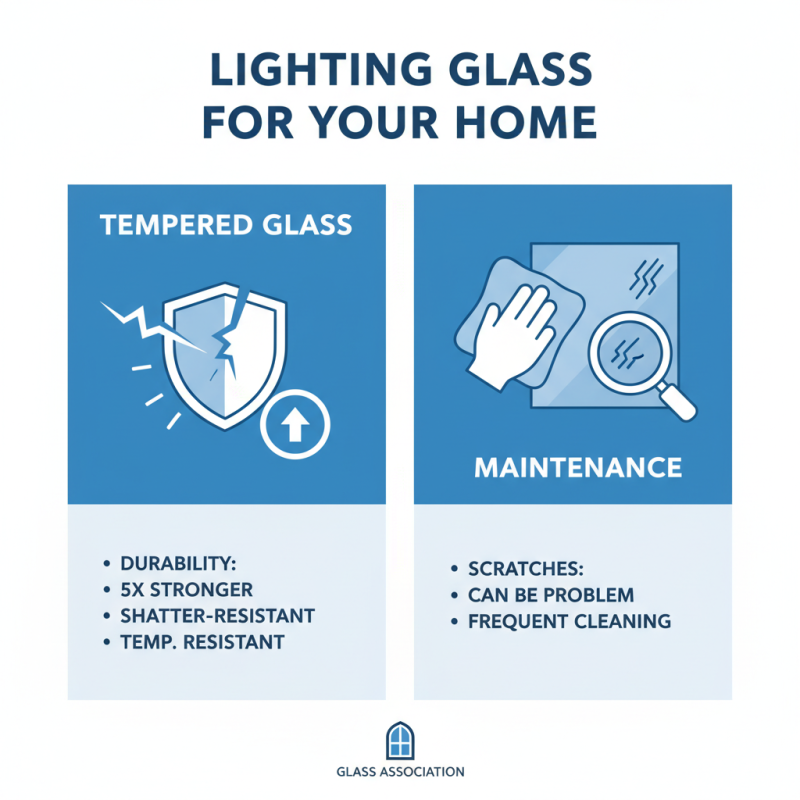
When considering lighting glass for your home, durability and maintenance are crucial factors. Various materials exhibit distinct strengths. For instance, tempered glass is highly resistant to shattering and can withstand temperature fluctuations. According to the Glass Association, tempered glass is up to five times stronger than regular glass. However, while it offers safety, scratches can be problematic and may require frequent cleaning.
Acrylic glass is another popular option. It’s lighter and less fragile than traditional glass, making it ideal for homes with children or pets. According to industry reports, acrylic glass can withstand impacts better than standard glass, but it may yellow over time due to UV exposure. This can affect your aesthetics, indicating a need for regular assessment and replacement.
Tips: Consider a protective coating for your glass fixtures. This can enhance longevity and minimize upkeep. Regularly check for any signs of wear, especially in high-traffic areas. Don’t overlook the importance of lighting placement to avoid direct exposure that can lead to faster deterioration of materials.
Energy Efficiency and Sustainability in Lighting Glass Choices
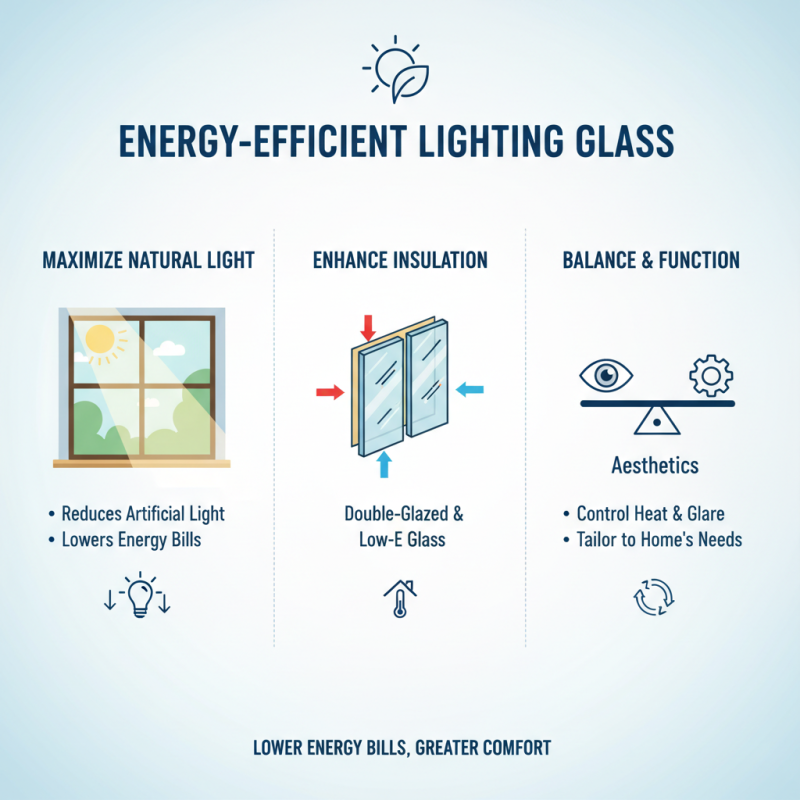
When selecting lighting glass, energy efficiency is crucial. Look for options that maximize natural light. This can reduce reliance on artificial lighting. Certain types of glass can help control heat gain or loss. For example, double-glazed or low-E glass can enhance insulation. This means lower energy bills. However, not all glass types work in every home. Some homes may struggle with excess heat or glare. You’ll want to balance aesthetic needs with functional requirements.
Sustainability in lighting glass is another key aspect. Consider materials that are recyclable or made from recycled content. Choosing sustainable glass options shows a commitment to reducing environmental impact. However, it can be challenging. Some sustainable options may not offer the best performance. Homeowners may need to experiment. Understanding your specific needs is important for making informed choices.
Keep in mind that the design of your space affects lighting. Large windows can create energy challenges, while smaller panes may limit light. Ensure that your selections complement both the architecture and the environment. Each decision has consequences. Reflect on how your choices impact energy consumption and sustainability in the long run.


 Phone
Phone Send Email
 whatsapp
 Facebook