How to Choose Tempered Glass For Oven Door Replacement?
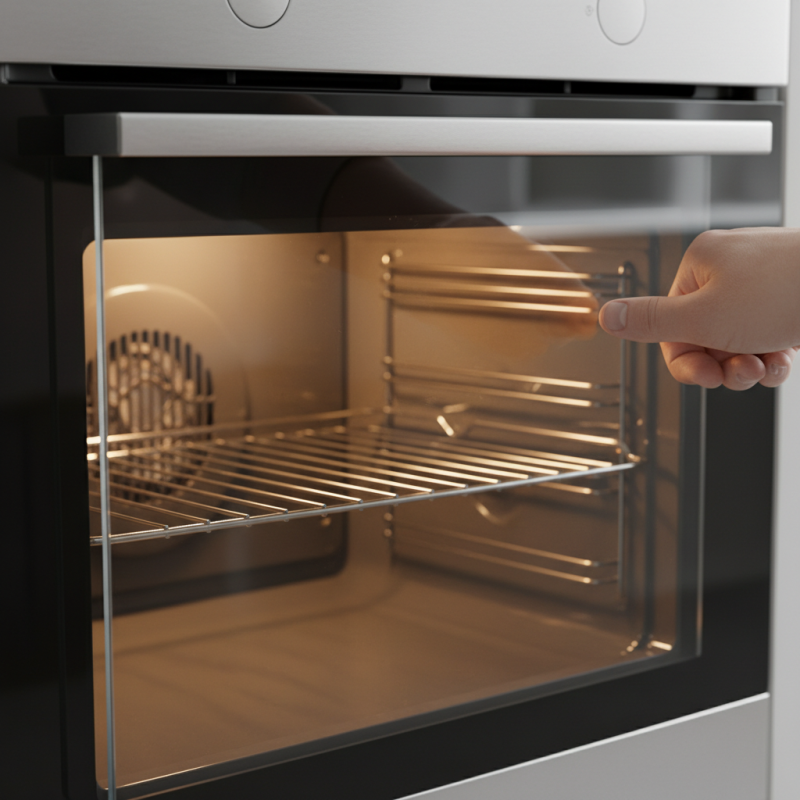
When considering a replacement for your oven door, choosing the right tempered glass is crucial. Tempered glass for oven doors is designed to withstand high temperatures. It is also more resistant to impact than standard glass. This means it can handle the rigors of cooking and baking.
However, not all tempered glass is created equal. Some options may not fit your specific model or safety standards. Checking the manufacturer's specifications is vital to ensure the right fit. This decision requires careful thought and attention to detail. You might feel overwhelmed by the options available.
Take your time to investigate reputable suppliers. Look for quality over price. Picking the wrong tempered glass for oven door can lead to safety risks. Always prioritize safety features during your selection process. Remember, your choice will impact your cooking experience. The right tempered glass ensures durability and reliability.
Understanding Tempered Glass and Its Uses in Ovens
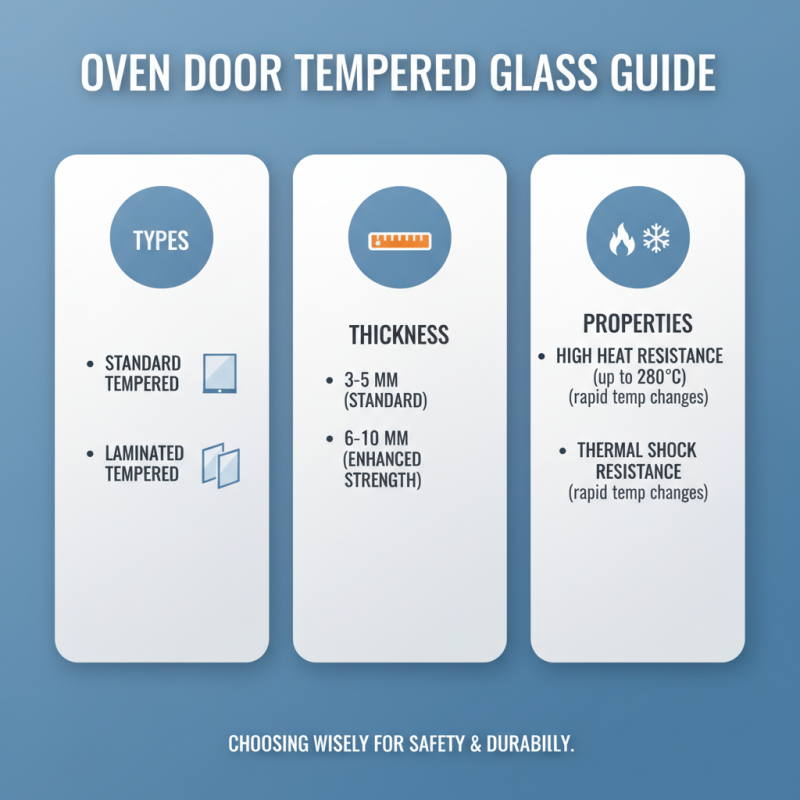
Tempered glass is a critical component in oven doors. It is designed to withstand high temperatures and provide safety during cooking. Research indicates that tempered glass can endure thermal shocks up to 300 degrees Celsius, making it a reliable choice for ovens. Its strength is about five times greater than regular glass, preventing shattering under pressure.
The unique manufacturing process increases its resilience. Manufacturers heat the glass to high temperatures, then cool it rapidly. This rapid cooling creates internal tension, which enhances safety and durability. However, not all tempered glass is created equal; variations exist in thickness and quality. A common oversight is choosing the wrong size for replacement, which can lead to gaps and inefficiency.
Installation plays a significant role as well. Poor fitting can undermine the glass’s safety features. In some cases, the seals may wear out, causing leaks. Regular checks and measurements are essential. Consideration of these details is crucial for using tempered glass effectively in an oven. Misjudging any aspect could lead to hazardous situations during cooking.
Identifying the Correct Size and Shape for Your Oven Door
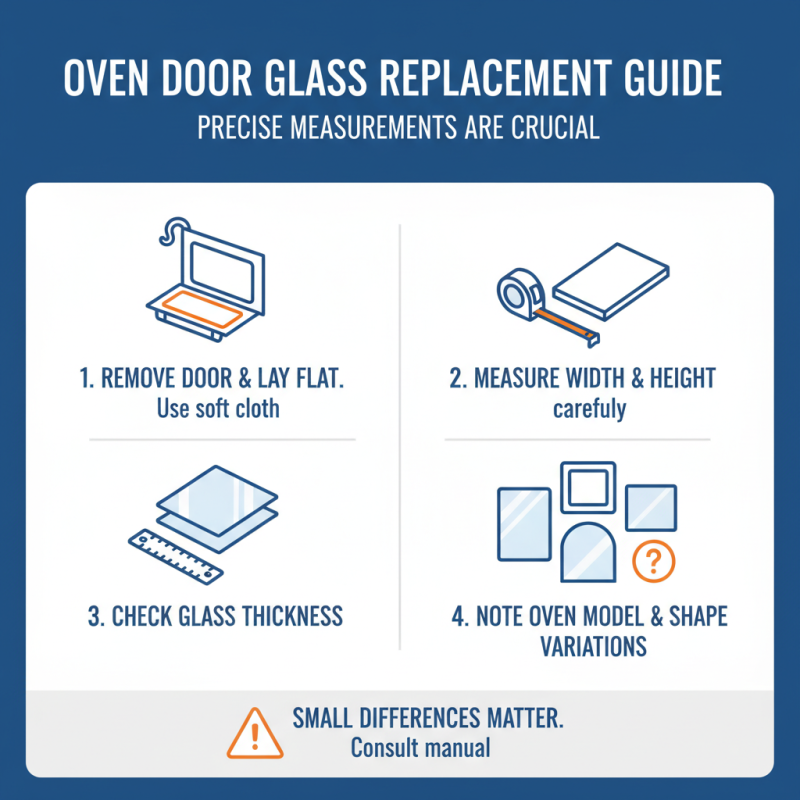
When replacing your oven door glass, precise measurements are crucial. Start by removing the door from the oven. Lay it on a flat surface covered with a soft cloth to avoid scratches. Measure the width and height carefully. Don’t forget to check the thickness of the glass as well. Each oven model varies, so even small differences can matter.
Consider the shape too. Some doors are rectangular, while others may have a curved top. If your oven has an unusual shape, drawing a template can help. Use cardboard for this. This way, you can visualize how the new glass will fit. Double-check your measurements before purchasing tempered glass. A slight error can lead to a poor fit.
Also, think about the installation process. Will you do it yourself or hire someone? If you haven't done this before, it might be challenging. Misalignments may lead to drafts or heat loss. Reflection can help identify potential issues. Look at your current setup closely. Is there a way to improve the fit next time? Taking your time can ensure a more satisfying result.
Evaluating Different Tempered Glass Types and Their Properties
When choosing tempered glass for your oven door, it’s crucial to understand the different types available. Tempered glass comes in various thicknesses and strengths. Understanding these properties ensures the glass can withstand high temperatures and thermal shock.
One type is low-iron glass, which has minimal impurities. This type offers higher clarity, making it a favorite for modern kitchen designs. Another option is frosted tempered glass. It provides privacy but may not resist heat as well as clear glass. Evaluating the temperature ratings of each type can prevent future issues.
Although these options seem clear, many overlook the importance of proper fitting. An ill-fitting piece can lead to safety hazards or inefficiencies. It’s important to measure accurately. Ensure your selection matches the specifications of your oven model. The wrong choice may seem small, but it can have significant consequences. Consider the maintenance requirements, too. Regular checks can help prevent cracks formed through wear and tear.
Safety Features to Consider When Choosing Tempered Glass
Choosing tempered glass for oven door replacement is crucial for safety. This type of glass is designed to withstand high temperatures and pressure. Ensure it meets safety standards; otherwise, you risk accidents.
Safety features are paramount. Look for certification markings to verify strength. The glass should be at least four to five millimeters thick. Thicker glass provides better durability but can add weight. Consider edge treatments to reduce sharp risks. Rounded edges can prevent cuts if broken.
Evaluate the installation method too. Some glass can shatter with improper fitting. Look for options that allow for easy replacement without professional help.
It's also wise to gauge the glass's thermal resistance. Not all tempered glass performs equally under heat. Verify how it will handle rapid temperature changes. Choosing the right glass is a reflection of your commitment to safety and quality.
Installation Tips for Replacing Oven Door Glass Properly
When replacing your oven door glass, proper installation is crucial for safety and efficiency. Glass doors can withstand high temperatures, but mistakes during installation can lead to breaks or improper sealing. According to industry reports, nearly 30% of oven glass replacements fail due to poor installation practices. Ensuring a tight fit is essential to maintain the door's integrity.
Measure the glass accurately before cutting. Use high-quality tempered glass, as it is designed to handle heat. Always wear gloves while handling glass to prevent cuts. Some installers recommend using a silicone sealant for extra insulation. This can reduce energy loss, which industry data shows can be as high as 20% with improperly sealed doors.
Remember to check the hinges after installation. They should align perfectly with the glass to prevent excessive stress. Misalignment could shorten the lifespan of your new glass. It’s also wise to conduct a quick test. Open and close the door slowly to see if everything is in place. Any unusual sounds or resistance should be addressed immediately. Being meticulous now can save you from future headaches.


 Phone
Phone Send Email
 whatsapp
 Facebook