How to Choose the Best Self-Cleaning Glass for Your Needs?
Choosing the right self-cleaning glass can transform the way you maintain your space. This advanced technology offers convenience and efficiency. However, it's essential to understand how various features serve your specific needs.
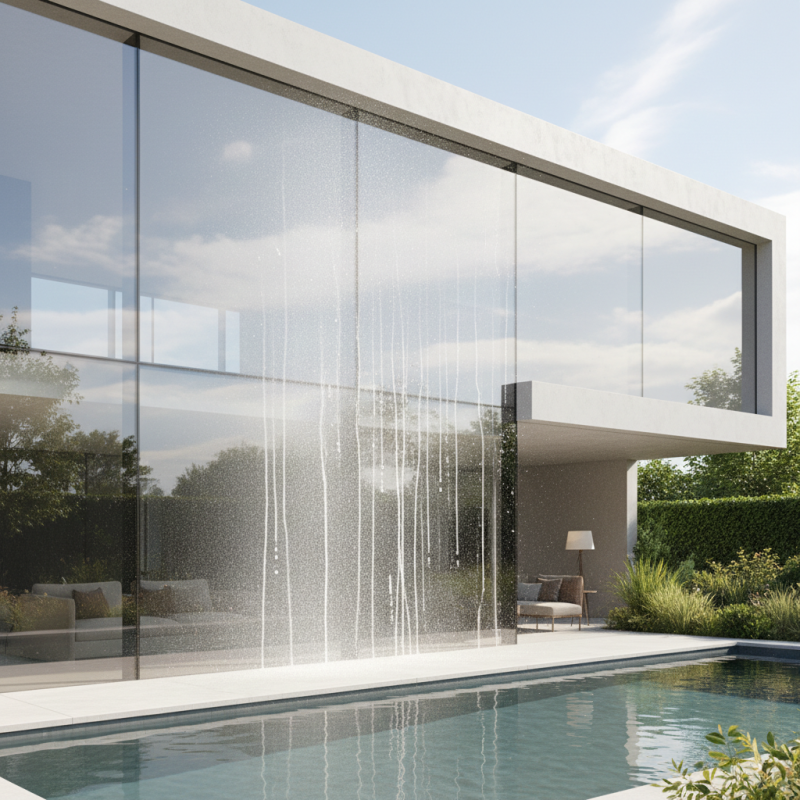
Self-cleaning glass uses a special coating that reacts to sunlight. This process breaks down dirt and grime. This innovative solution can save you time and effort. Yet, it is crucial to consider environmental factors. Not all self-cleaning glass performs equally in different climates.
Some products may not meet your expectations. A simple purchase decision can lead to disappointment if you don’t research thoroughly. By understanding your requirements and the options available, you can make a more informed choice. Your satisfaction depends on balancing performance and practical use.
Understanding Self-Cleaning Glass: Features and Benefits
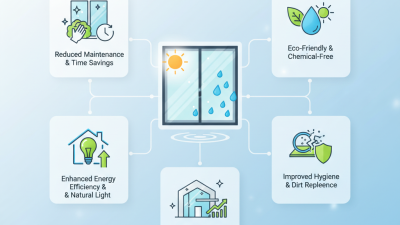
Self-cleaning glass is becoming a popular choice for both residential and commercial properties. This innovative material utilizes a special coating that uses sunlight to break down dirt and grime. According to a report by the Glass Association, self-cleaning glass can reduce cleaning time by nearly 90%. This is significant for busy households or high-rise buildings where traditional cleaning can be challenging.
The benefits of self-cleaning glass extend beyond just convenience. Studies indicate that buildings using this technology can improve energy efficiency. Exposure to natural light reduces the need for artificial lighting, which can lower electricity bills. In addition, the smooth surface of self-cleaning glass helps to maintain the structural integrity of the glass by preventing the accumulation of contaminants that could cause corrosion over time.
While self-cleaning glass offers many advantages, it is important to understand its limitations. For instance, heavy pollution or shaded areas may hinder its effectiveness. Regular maintenance might still be needed in these circumstances, prompting a reevaluation of its overall utility. Understanding these nuances can assist consumers in making more informed decisions.
How to Choose the Best Self-Cleaning Glass for Your Needs?
| Feature |
Description |
Benefit |
| Hydrophilic Coating |
A coating that attracts water, allowing dirt and debris to wash away easily. |
Reduces cleaning time and helps maintain clear visibility. |
| Self-Cleaning Technology |
Utilizes UV light to break down organic dirt and grime. |
Minimizes the need for manual cleaning and preserves aesthetic appeal. |
| UV Protection |
Blocks harmful ultraviolet rays from the sun. |
Protects interior furnishings from fading and heat damage. |
| Energy Efficiency |
Designed to reflect heat and reduce energy loss. |
Helps lower heating and cooling expenses. |
| Scratch Resistance |
Manufactured with durable materials to withstand impact. |
Increases longevity and reduces the need for replacement. |
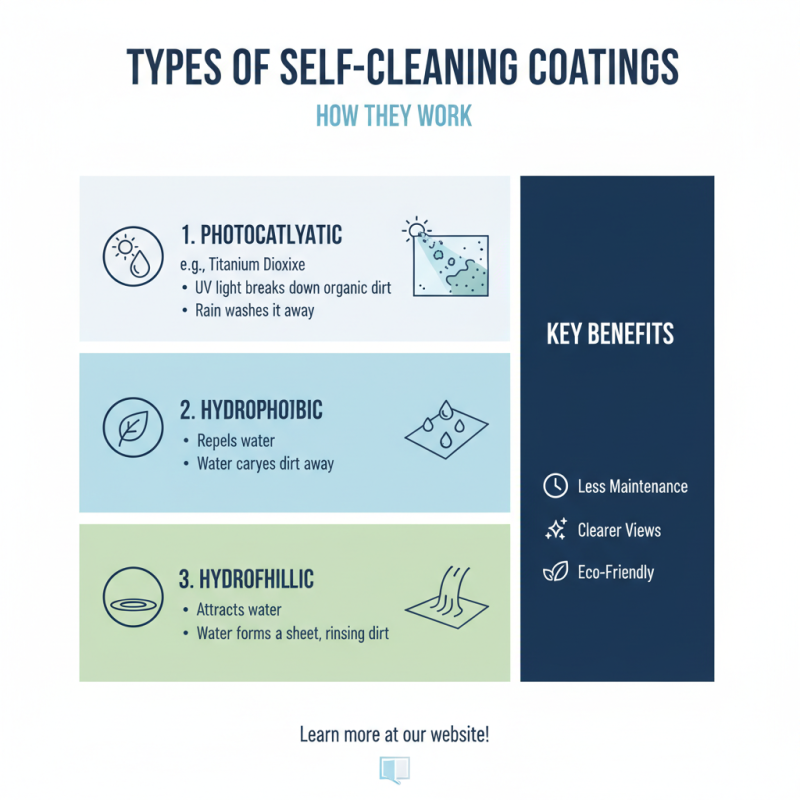
Types of Self-Cleaning Coatings: How They Work
Self-cleaning glass is a game changer for those seeking easy maintenance. It utilizes innovative technologies to stay clean longer. Understanding how these coatings work can help you make better choices for your needs.
There are two main types of self-cleaning coatings: hydrophilic and photocatalytic. Hydrophilic coatings absorb water, allowing dirt to wash away easily with rain or a simple rinse. They enhance water spread, creating a film that carries away grime. Photocatalytic coatings use UV light to trigger a chemical reaction. This reaction breaks down organic dirt and grime, making them easier to remove with rain or light cleaning.
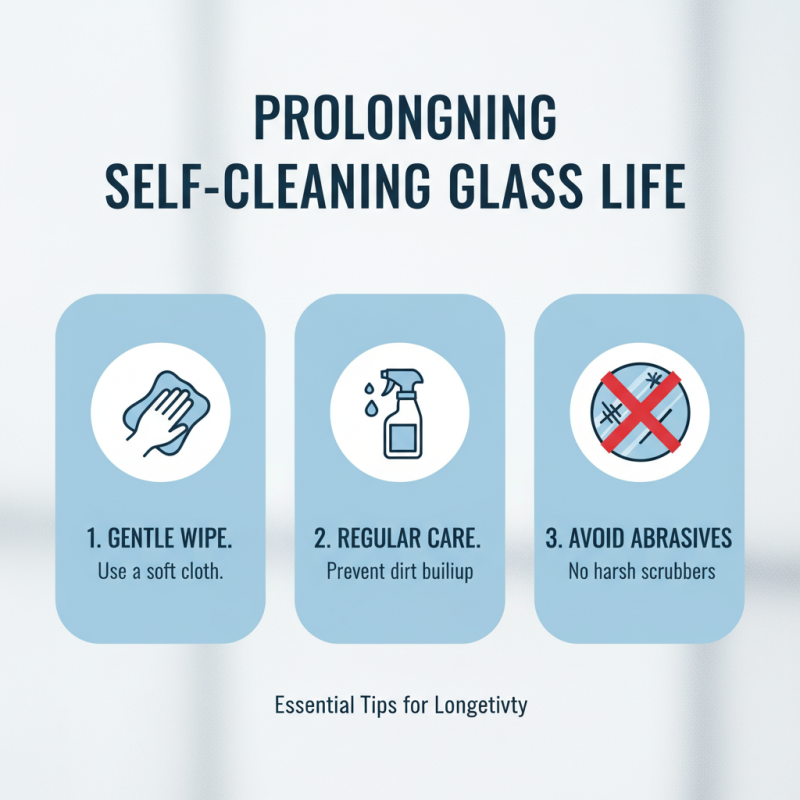
While both types provide benefits, they also have limitations. Hydrophilic coatings may struggle in areas with less rainfall. Photocatalytic coatings need sunlight to activate effectively. It's essential to consider your local environment when choosing the best option. Both coatings require periodic maintenance and care, and they may not work perfectly in all conditions.
Factors to Consider When Choosing Self-Cleaning Glass
When selecting self-cleaning glass, several factors come into play. The type of coating is crucial. Some coatings work better in certain climates. For instance, a coating that repels water may be less effective in very humid areas. Knowing how your local weather affects glass is important.
Another factor is the amount of sunlight your space receives. More sunlight activates the self-cleaning properties. If your windows are shaded, the effectiveness could be limited. Think about your layout. Do you have large glass sections? Areas with excessive dust might pose a challenge.
Installation is also a key consideration. Poorly installed glass may not function as intended. Always work with professionals who understand the nuances of self-cleaning systems. Reflect on these details before making a decision. It's easy to overlook the features that truly matter. Your choice should reflect your specific needs.
Factors to Consider When Choosing Self-Cleaning Glass
This bar chart illustrates the importance of various factors when choosing self-cleaning glass. The factors considered are Cost, Durability, Ease of Cleaning, UV Protection, and Energy Efficiency, rated on a scale from 1 to 10.
Applications of Self-Cleaning Glass in Residential and Commercial Spaces
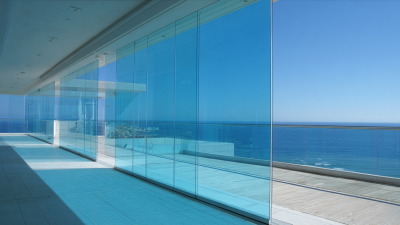
Self-cleaning glass technology has transformed various environments, making it a popular choice for both residential and commercial spaces. In homes, self-cleaning glass can be used in windows, skylights, and glass balustrades. This type of glass utilizes a special coating that breaks down dirt and grime. When it rains, water washes the residues away effortlessly. Homeowners enjoy reduced cleaning efforts and longer-lasting clarity.
In commercial spaces, self-cleaning glass is invaluable for storefronts and office buildings. These installations frequently encounter environmental dirt and pollutants. Self-cleaning properties maintain a polished appearance, enhancing the business's attractiveness. However, not all surfaces perform equally. Factors like location can affect effectiveness. Glass in urban areas may require more maintenance due to higher pollution levels.
Consideration should be given to the specific needs of the space. While self-cleaning glass helps reduce manual labor, it may not eliminate cleaning entirely. A deep clean is sometimes necessary to maintain its optimal state. Evaluate the environment and determine the right application based on conditions. This glass is a game-changer but comes with parameters that warrant careful thought.


 Phone
Phone Send Email
 whatsapp
 Facebook