How to Choose the Right Lowe Glass for Your Electric Oven in 2025
Choosing the right Lowe Glass for Electric Oven is a crucial consideration for anyone looking to enhance their cooking experience in 2025. As technology continues to evolve, the materials used in kitchen appliances have also advanced significantly, offering improved efficiency and functionality. Lowe Glass, renowned for its durability and heat resistance, is at the forefront of these innovations, making it an essential component for modern electric ovens.
In this guide, we will explore the key factors to consider when selecting Lowe Glass for your electric oven. From thermal performance to compatibility with various oven models, understanding these elements will help ensure that you make an informed choice. Additionally, we'll discuss the features that set different types of Lowe Glass apart, providing insights on how they can impact your cooking results. Whether you are a seasoned chef or a home cooking enthusiast, knowing how to pick the right Lowe Glass can significantly enhance your culinary creations and oven efficiency.
Understanding the Importance of Choosing the Right Glass for Electric Ovens
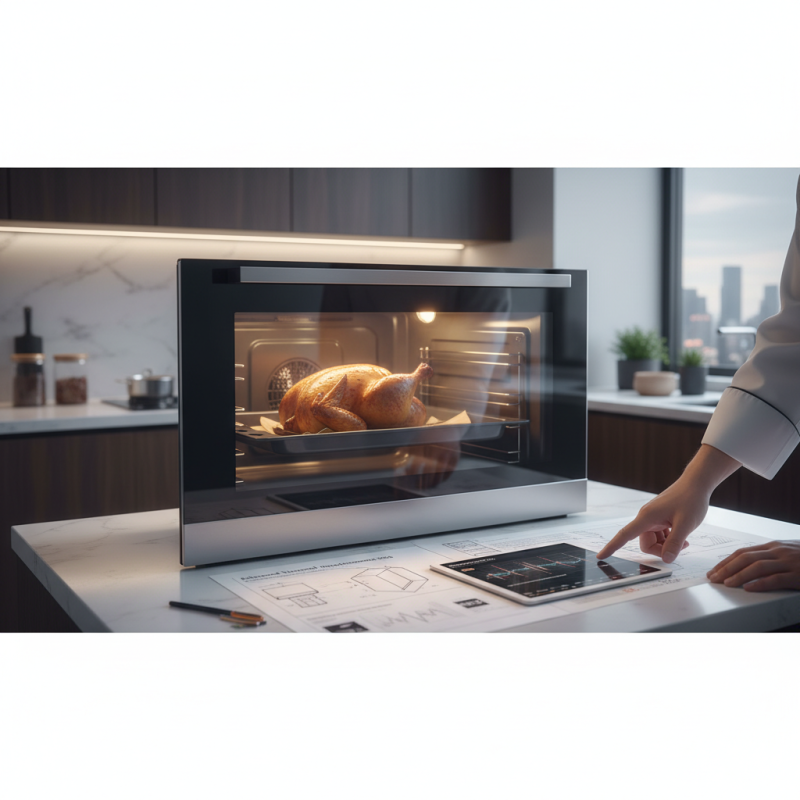
When it comes to electric ovens, choosing the right glass is essential for ensuring optimal performance and safety. The glass used in electric ovens serves several crucial functions, from providing visibility when cooking to reflecting heat effectively. One of the primary reasons for selecting the appropriate glass is its ability to withstand high temperatures. Electric ovens generate significant heat, and using glass that can endure these extremes is vital to prevent cracking or shattering during cooking.
In addition to temperature resistance, the right glass can also affect energy efficiency. High-quality oven glass can enhance insulation, helping to retain heat within the oven. This can lead to more consistent cooking results and potentially lower energy bills over time. Moreover, the clarity and robustness of the glass can influence cooking experience; good visibility allows users to monitor their dishes without opening the oven door, thus maintaining the internal temperature and ensuring evenly cooked food. Understanding these factors is essential for anyone looking to maximize the effectiveness and longevity of their electric oven.
How to Choose the Right Lowe Glass for Your Electric Oven in 2025
| Glass Type |
Temperature Resistance (°C) |
Thickness (mm) |
Energy Efficiency Rating |
Price Range (USD) |
| Tempered Glass |
350 |
4 |
A |
50 - 70 |
| Low-E Glass |
400 |
5 |
A+ |
70 - 90 |
| Ceramic Glass |
500 |
6 |
A++ |
80 - 100 |
| Soda-Lime Glass |
320 |
3 |
B |
30 - 50 |
Types of Lowe Glass Available for Electric Ovens in 2025
When selecting the right Lowe glass for your electric oven in 2025, understanding the different types available will help you make an informed decision.
The most common types of Lowe glass include tempered glass and ceramic glass.
Tempered glass is known for its heat resistance and durability, making it a popular choice for everyday oven use.
It can withstand high temperatures without breaking, providing safety and reliability.
Ceramic glass, on the other hand, is another excellent option, especially for those who require a clear view of their cooking.
It offers superior thermal resistance and is less prone to scratching, which can be advantageous in maintaining a clean and clear oven door.
Both types are designed to handle the demands of electric ovens, but each has its unique benefits depending on your cooking habits.
Tips: When choosing Lowe glass, consider your cooking style and frequency.
If you bake frequently at high temperatures, opt for tempered glass for its robust performance.
For those who prefer to track their cooking progress without opening the oven, ceramic glass might be the better choice.
Additionally, always ensure that the glass fits your oven model perfectly to avoid any safety hazards and ensure optimal heat distribution.
Key Features to Consider When Selecting Lowe Glass
When selecting the right low-e glass for your electric oven, several key features come into play to ensure optimal performance and energy efficiency. One of the primary aspects to consider is the insulation properties of the glass. Low-e glass is designed to reflect heat back into the oven while allowing adequate visibility for monitoring cooking progress. Look for options that demonstrate a high solar heat gain coefficient, as this will enhance the oven's ability to maintain temperature and improve cooking results.
Another critical feature is the thickness of the glass. Thicker glass not only provides better durability but also enhances insulation capabilities. It reduces the risk of cracking under high temperatures and improves safety during use. Additionally, consider the ease of cleaning and maintenance; some low-e glass options are treated with special coatings that help repel grease and grime, making upkeep more manageable. Ensuring that the glass is easy to handle and fits well within your oven's design is essential for both functionality and aesthetic appeal.
Compatibility of Lowe Glass with Various Electric Oven Models
When selecting the right Lowe glass for your electric oven, it's crucial to consider the compatibility across different models. Not all electric ovens have the same specifications, and each has unique temperature tolerances and structural requirements. Some models may necessitate specific thicknesses or types of glass to withstand high temperatures effectively. Therefore, understanding your oven model's requirements is essential before making a purchase.
Moreover, compatibility extends beyond simply fitting the glass into the oven door. It includes factors such as heat resistance, durability, and insulation capabilities of the glass. Certain Lowe glass options may perform better with specific electric ovens, providing improved energy efficiency and safety. It's advisable to consult your oven's user manual or manufacturer guidelines to identify which types of Lowe glass are recommended for optimal performance. By thoroughly exploring these compatibility factors, you can ensure that your choice enhances your cooking experience while maintaining the oven's integrity and functionality.
Compatibility of Lowe Glass with Various Electric Oven Models in 2025
Tips for Maintaining and Caring for Lowe Glass in Your Kitchen
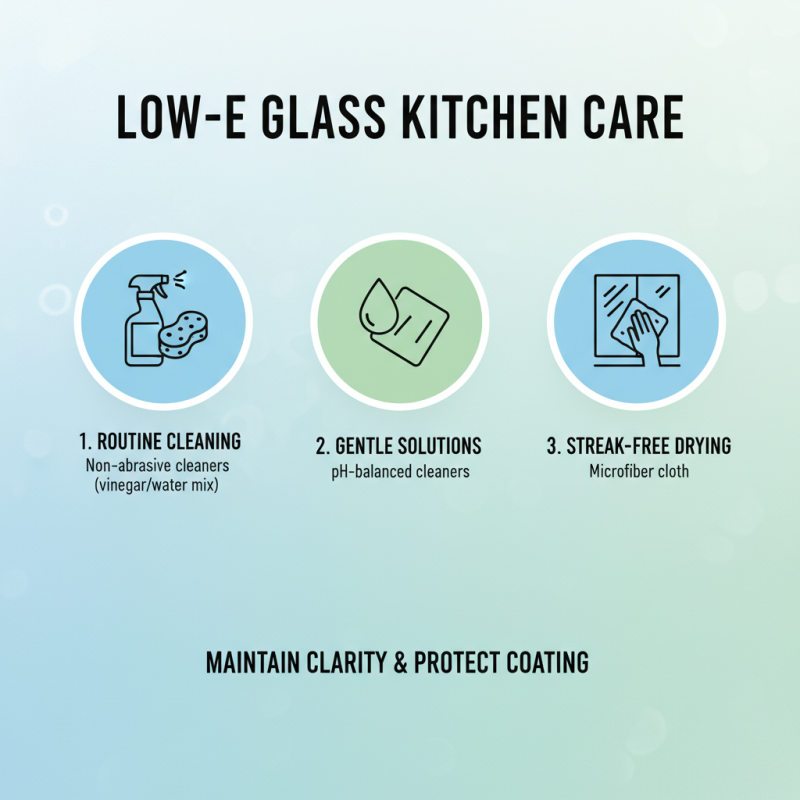
When it comes to maintaining Lowe glass in your kitchen, the first step is to establish a regular cleaning routine. It is crucial to use non-abrasive cleaners that will not scratch or damage the glass surface. A mixture of vinegar and water or gentler pH-balanced cleaners can effectively remove grease and stains without compromising the integrity of the glass. After cleaning, always dry the glass thoroughly with a microfiber cloth to avoid streaks and maintain its clarity.
In addition to regular cleaning, it is essential to handle Lowe glass with care during cooking. Avoid sudden temperature changes, as rapid fluctuations can cause the glass to crack. Always use appropriate cookware and utensils that are safe for glass surfaces. For added protection, consider using trivets or heat-resistant pads when placing hot items on glass surfaces. By incorporating these practices into your kitchen routine, you can significantly extend the lifespan and appearance of your Lowe glass.


 Phone
Phone Send Email
 whatsapp
 Facebook