inquiry
Leave Your Message

How to Choose Toughened Glass for Your Oven?

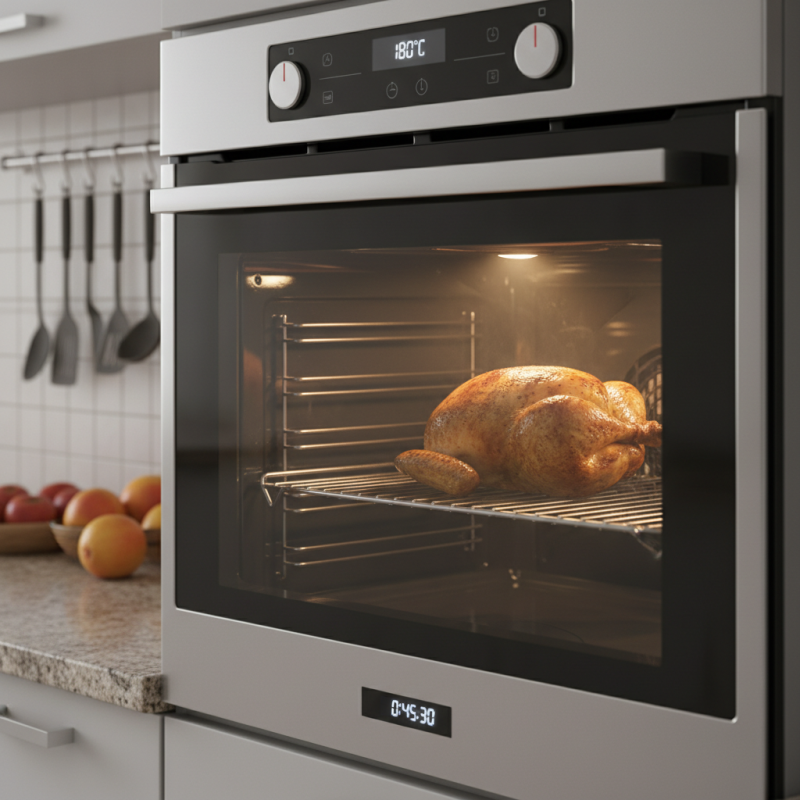
Choosing the right toughened glass for your oven can seem daunting. "Toughened Glass For Oven" is essential for safety and performance. Expert John Smith, a leading figure in kitchen appliance design, once said, "Quality glass saves lives in the kitchen." This highlights the importance of selection.

When selecting toughened glass, consider thickness and quality. Thicker glass withstands high temperatures better. Many overlook the grade of glass; not all toughened glass is the same. It must meet safety standards. Many kitchens suffer from broken doors and safety hazards due to poor choices.

Reflect on your needs. The right glass withstands heat and impact. However, some glass may shatter under extreme stress. Ensure you know the manufacturer's specifications. Ultimately, toughened glass for ovens plays a crucial role in efficient cooking and safety. Choose wisely for your culinary adventures.

How to Choose Toughened Glass for Your Oven?

Understanding Toughened Glass: Definition and Benefits

How to Choose Toughened Glass for Your Oven?

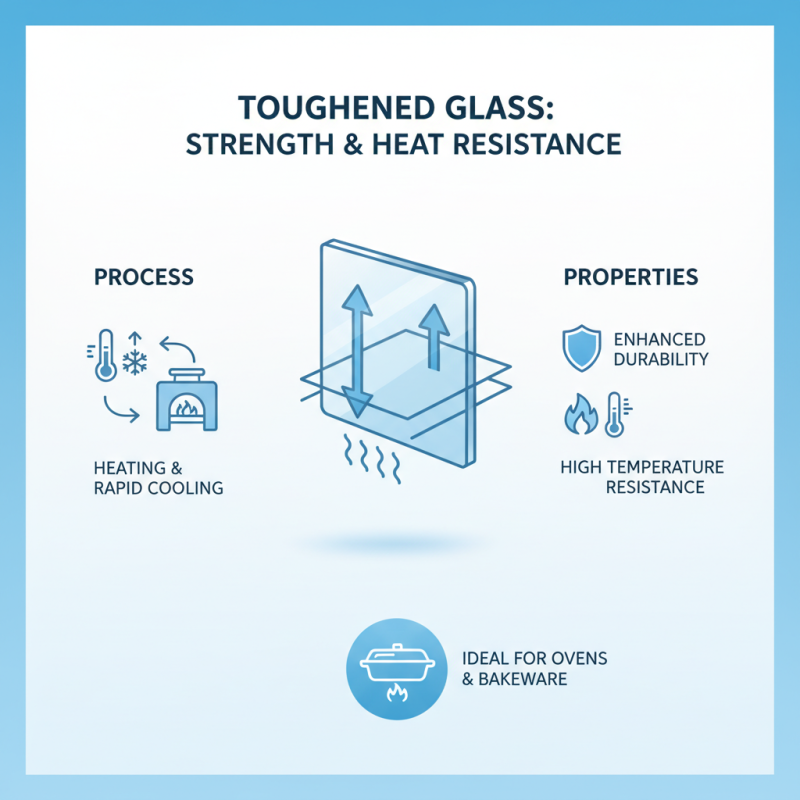
Toughened glass, also known as tempered glass, stands out for its strength and durability. This glass undergoes a heating and cooling process that enhances its structure. As a result, it can withstand high temperatures, making it ideal for ovens. If you've ever noticed how a baking dish can handle extreme heat without shattering, that's toughened glass at work.

One major benefit of toughened glass is its safety. When broken, it shatters into small, blunt pieces rather than sharp shards. This feature minimizes the risk of injury in busy kitchens. Additionally, toughened glass is more resistant to thermal shock. It won’t crack easily when exposed to temperature changes, which is a relief when pulling your dish out of a hot oven. However, it's essential to ensure that the glass is manufactured correctly; otherwise, it may not perform as expected.

Choosing the right toughened glass for your oven involves careful consideration. While you want a product that can endure heat, you must also check its thickness and quality. Thinner glass may not withstand the same temperatures as thicker varieties. Think about your cooking habits and whether you often use high-heat settings. The wrong choice can lead to frustrations down the line. So, reflect on your specific needs before making a decision.


Key Features to Look for in Toughened Glass for Ovens

When choosing toughened glass for your oven, consider several key features. The glass should withstand high temperatures. Look for a thermal resistance rating that suits your cooking needs. This durability ensures safety in a hot environment.

Opt for glass that is specifically designed for ovens. It should carry certifications to indicate its suitability. Not all glass can handle the heat. Regular glass can shatter under thermal stress. Therefore, investing in quality toughened glass is crucial.

Tips: Always check for a smooth finish. This makes cleaning easier. Look for glass that resists scratches and stains. It will maintain its clarity over time. Consider the thickness of the glass too. Thicker glass generally offers better insulation. Make sure to assess all these features before making a decision.

How to Choose Toughened Glass for Your Oven? - Key Features to Look for in Toughened Glass for Ovens

Feature Description Importance
Thermal Resistance Ability to withstand high temperatures without breaking Prevents accidents and ensures safety
Impact Resistance Resilience against physical shocks and hits Enhances durability and longevity of the oven
UV Resistance Ability to resist ultraviolet light exposure Prevents discoloration and degradation
Clarity High optical clarity for better visibility Improves user experience when cooking
Easy to Clean Surface should allow for hassle-free cleaning Maintains hygiene and aesthetic appeal

Factors Influencing Toughened Glass Thickness and Strength

When selecting toughened glass for an oven, thickness and strength play crucial roles. The average thickness for toughened glass typically ranges from 4 mm to 10 mm. A thicker pane usually offers better safety and performance. However, too much thickness can lead to difficulty in heat transfer and may increase overall weight.

Various factors influence the strength of toughened glass. The manufacturing process is one. During tempering, glass is heated to approximately 600 degrees Celsius, then rapidly cooled. This creates compressive stresses that enhance durability. Specifications often indicate that toughened glass can endure about five times more mechanical stress than standard glass. However, inconsistent thickness can weaken points, leading to possible failures.

Temperature fluctuations also impact the longevity of toughened glass. Studies have shown that extreme thermal shock can compromise structural integrity. Often overlooked, the installation process can be equally important. Improper support or fitting might lead to unnecessary pressure on specific areas. Ensuring a proper fit is critical for maximizing the efficiency of toughened glass in oven applications.

Comparison of Toughened Glass Types Suitable for Oven Use

When selecting toughened glass for your oven, understanding the types available is essential. There are two common types: low-iron glass and ceramic glass. Low-iron glass offers excellent clarity. It allows more light through, enhancing visibility. However, it can be more fragile under intense heat. Ceramic glass, on the other hand, excels in thermal resistance. It withstands high temperatures well. Yet, it may not provide the same visual clarity as low-iron options.

Both types have their pros and cons. Low-iron glass can crack if suddenly exposed to extreme heat changes. Ceramic glass might fog up, affecting visibility during cooking. These issues need careful consideration. Think about how you use your oven. Do you prioritize clarity or heat resistance? Examining your specific needs can help make a better choice.

Toughened glass for ovens isn’t just a straightforward purchase. Look for the glass thickness, as it impacts durability. A minimum of 4mm is often recommended for standard ovens. That said, the right type for you depends on personal cooking habits. Reflecting on your requirements can lead to a more satisfying choice.

How to Choose Toughened Glass for Your Oven?

This chart compares different types of toughened glass suitable for oven use based on heat resistance, thermal shock resistance, and durability.

Maintenance Tips for Ensuring Longevity of Oven Toughened Glass

How to Choose Toughened Glass for Your Oven?

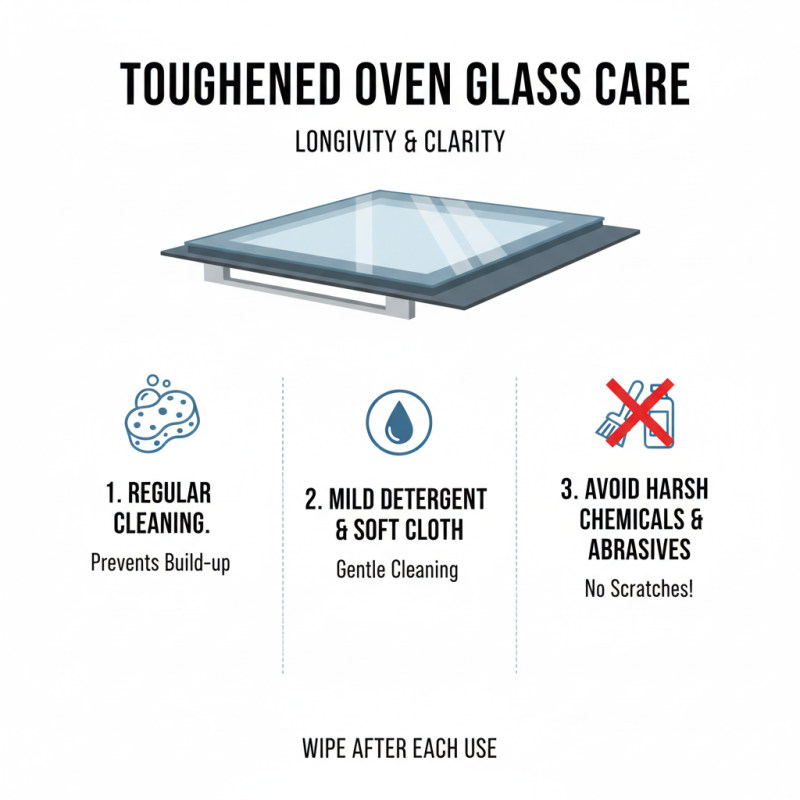
Maintaining oven toughened glass is essential for longevity. Regular cleaning helps prevent build-up from spills and grease. Use a soft cloth or sponge with mild detergent. Avoid harsh chemicals or abrasive tools. These can scratch and weaken the glass. Wipe the glass after each use, ensuring it stays clear.

Temperature changes can cause stress fractures. Be cautious when changing oven settings. Sudden temperature shifts may impact the glass. Ensure the oven is at room temperature before cleaning. Do not use the oven’s self-cleaning feature on toughened glass surfaces. This can lead to unexpected cracks.

Inspect the glass periodically for any signs of wear or damage. Look for small chips or cracks that could develop into bigger problems. If you notice any issues, consider replacing the glass to maintain safety. Remember, taking simple steps can extend the life of your oven’s toughened glass. It's crucial to reflect on these practices to prevent future mishaps.