How to Choose Toughened Glass for Your Oven?
When it comes to choosing toughened glass for your oven, the decision can feel overwhelming. Toughened glass for oven applications is crucial for both safety and functionality. It is designed to withstand extreme temperatures while providing a clear view of your culinary creations. However, not all toughened glass is created equal.
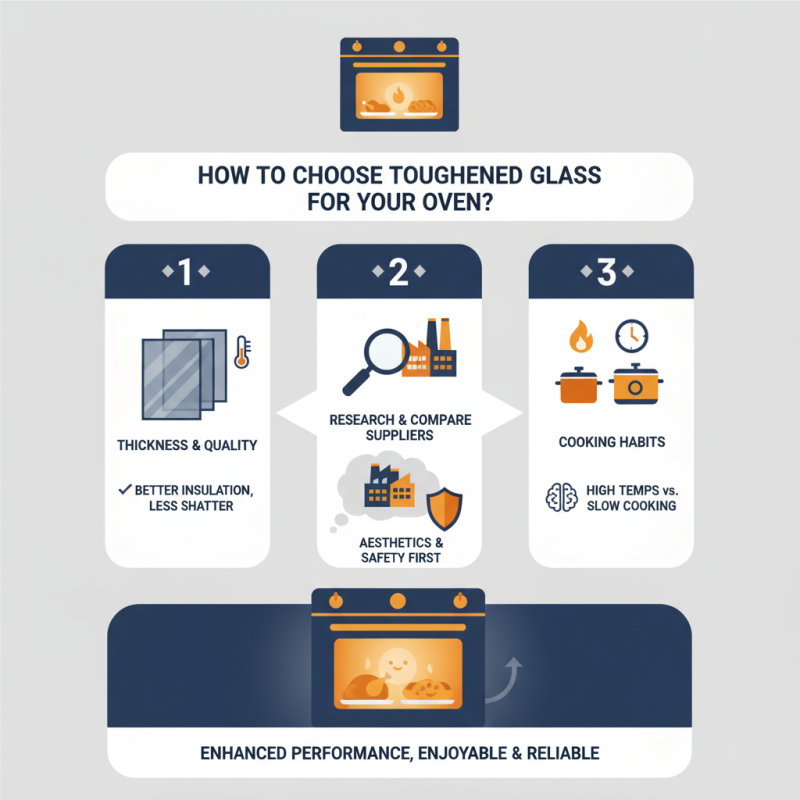
In the process of selecting the right toughened glass for your oven, consider the thickness and quality. Thicker glass tends to offer better insulation and is less likely to shatter. You may find yourself torn between various suppliers, each touting different features. Take the time to research and compare these options. Visualize the kitchen environment where this glass will be installed. The aesthetics matter, but safety should always come first.
It's also important to reflect on your specific cooking habits. Do you often bake at high temperatures? Or do you prefer slow-cooking methods? Understanding your usage can guide you in making an informed choice. In the end, the right toughened glass will enhance your oven's performance, making each cooking experience more enjoyable and reliable.
Understanding Toughened Glass and Its Benefits for Ovens
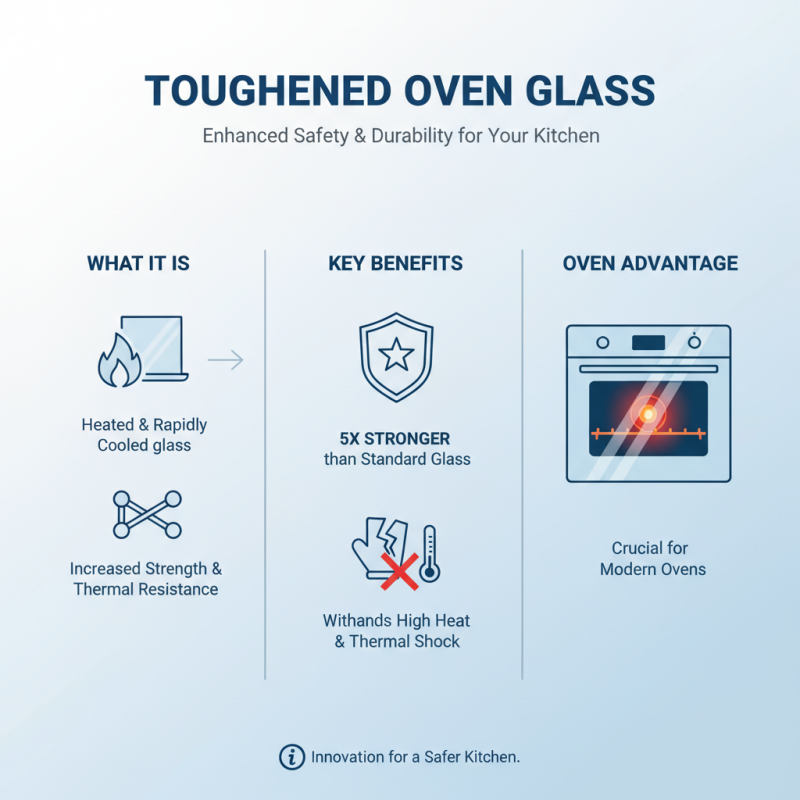
Toughened glass is a crucial component for modern ovens. It is designed to withstand high temperatures and thermal stress. This material undergoes a heating and rapid cooling process, increasing its strength. Studies show that toughened glass can be up to five times stronger than standard glass. This strength enhances safety in the kitchen, reducing the risk of breakage during use.
When selecting toughened glass for your oven, consider its thermal resistance. High-quality toughened glass can endure temperatures up to 300°C without risk. It's essential to check its certification, as not all toughened glass meets industry standards. A report published in the Journal of Material Science highlighted that many consumers are unaware of the variations in quality. Also, some glass may not provide adequate insulation. This can lead to heat loss and inefficiency in cooking.
Pay close attention to the thickness of the glass you choose. While thicker glass is often stronger, it may not always fit your oven design well. Additionally, defects such as bubbles or uneven surfaces can compromise strength. Therefore, inspecting the glass carefully is vital. Some might overlook these details, leading to poor performance. Ultimately, understanding these factors is essential for ensuring your oven operates safely and effectively.
Key Factors to Consider When Choosing Toughened Glass for Ovens
When selecting toughened glass for your oven, several factors come into play. Start with thickness. Thicker glass tends to be more durable. It can withstand high temperatures and sudden changes in heat better than thinner glass. Look for options that offer a minimum thickness of 4mm. This small detail can significantly affect performance.
Next, consider the thermal resistance of the glass. Toughened glass must handle intense heat without cracking. Ensure the glass meets safety standards for heat resistance. Many ovens require glass that can endure temperatures of up to 200 degrees Celsius. If a manufacturer does not specify this, be cautious.
Finally, remember design factors. Choosing clear versus tinted glass impacts visibility. Clear glass lets you monitor food without opening the door. A reflective surface can reduce heat loss but may hinder your view. Reflect on what you need most in your cooking experience. Each choice has trade-offs that may suit different cooking styles.
Key Factors to Consider When Choosing Toughened Glass for Ovens
Different Types of Toughened Glass Suitable for Oven Use
When choosing toughened glass for your oven, understanding the different types can make a significant difference. The most common types include heat-resistant glass and tempered glass. Heat-resistant glass can withstand high temperatures. It is an ideal choice for oven doors. Tempered glass is manufactured under high heat, making it five times stronger than regular glass. This property makes it safer and more durable for oven use.
Tips: Always check the thermal shock resistance. This feature indicates how well the glass can handle rapid temperature changes.
Another type of toughened glass is laminated glass. This type consists of several layers, providing extra safety and insulation. It's less likely to shatter. However, the weight can sometimes make installation tricky. Depending on your oven's specifications, the choice of glass might vary.
When selecting toughened glass, consider the thickness. Thicker glass may be preferable, as it offers enhanced insulation and durability. Yet, always account for the practical aspects of weight and installation dynamics. Remember, choosing the right glass involves balancing safety and functionality.
How to Choose Toughened Glass for Your Oven? - Different Types of Toughened Glass Suitable for Oven Use
| Type of Toughened Glass |
Temperature Resistance |
Thickness (mm) |
Applications |
| Standard Toughened Glass |
Up to 250°C |
4-8 mm |
Oven doors, internal panels |
| Low Iron Toughened Glass |
Up to 280°C |
5-10 mm |
Oven doors, visible panels |
| Heat Soaked Toughened Glass |
Up to 300°C |
6-12 mm |
High-performance ovens |
| Laminated Toughened Glass |
Up to 250°C |
10-15 mm |
Oven safety windows |
Safety Standards and Certifications for Toughened Glass Products
When choosing toughened glass for your oven, understanding safety standards is crucial. Toughened glass goes through rigorous testing. Certifications ensure the glass meets safety requirements. Look for compliance with international standards. These may include EN 12150 and ASTM C1048. They provide assurance on quality and performance.
Always check for visible marks or labels on the glass. These indicate that the product has undergone testing. Not all glass is made equal. Some may not handle thermal shock well. It could shatter unexpectedly. Stronger options exist that provide better durability. Assess the manufacturer’s reputation for quality. Customer reviews can offer insight into the glass's real-world performance.
Some toughened glass may still have defects. Tiny imperfections can weaken the glass. You might notice this after installation. Regular inspections are essential for long-term safety. Understanding these details can help you make an informed choice for your oven.
Installation Tips for Ensuring Optimal Performance of Oven Glass
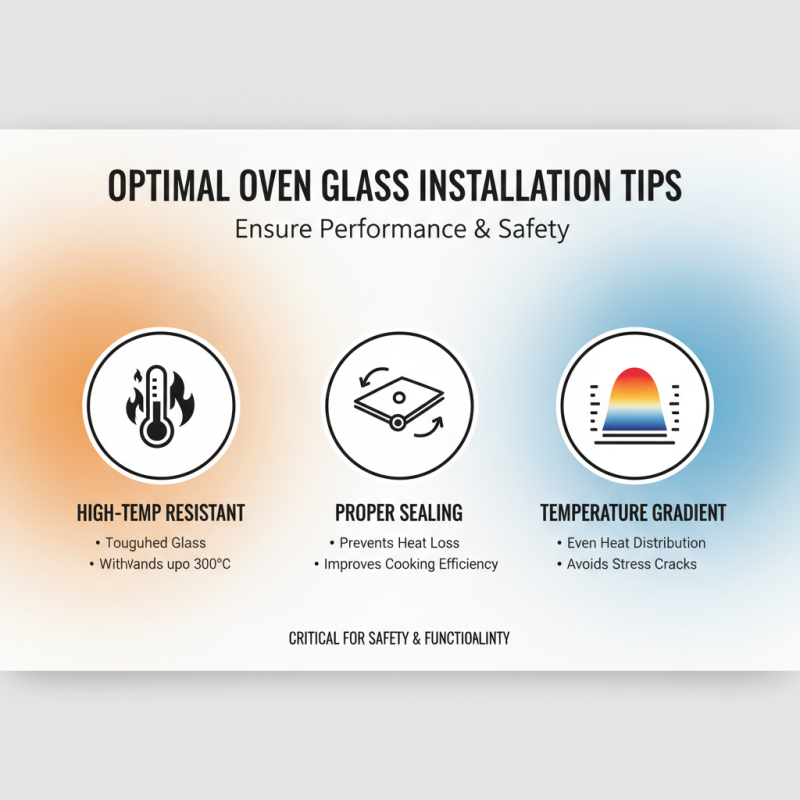
When installing toughened glass in ovens, several critical factors impact performance. The glass should withstand high temperatures, typically up to 300°C. However, improper installation can compromise safety and functionality. Incorrect seals often lead to heat loss, which can affect cooking efficiency. The temperature gradient on the glass needs careful consideration.
For accurate dimensions, measure the oven opening meticulously. A gap of about 1-2 mm can accommodate thermal expansion. Industry reports suggest that up to 30% of glass failures stem from installation errors. In some cases, the glass may crack under pressure if not aligned correctly.
Using high-quality silicone sealant is essential. This material tolerates extreme heat and provides a strong bond. However, the application must be even. Uneven distribution can create weak points, risking glass integrity. Regularly inspect the seal for wear and replace it as needed. Prioritize regular maintenance. This will enhance the oven's lifespan and ensure optimal performance.


 Phone
Phone Send Email
 whatsapp
 Facebook