How to Clean and Maintain Your Stove Glass Effectively?
Cleaning and maintaining stove glass is essential for both aesthetics and functionality. According to industry expert Dr. Emily Carter, “Clear stove glass enhances the entire kitchen’s appeal.” Dirty or cloudy stove glass can hinder visibility and affect your cooking experience. It can also pose safety risks if residues lead to smoke and odors.
Many homeowners neglect proper care for their stove glass, often assuming that regular cleaning is sufficient. However, this can lead to more significant issues. Stubborn stains may form due to heat and splatter, making it hard to clean later on. Proper maintenance requires specific techniques and tools to ensure a clear view every time you cook.
Taking time to understand the materials involved can make a difference. Not every cleaner is safe for stove glass, and using the wrong products can lead to scratches or damage. Reflecting on personal cleaning habits can also be beneficial. Are you doing enough to protect your stove glass? A thoughtful approach will extend its life and keep your kitchen looking its best.
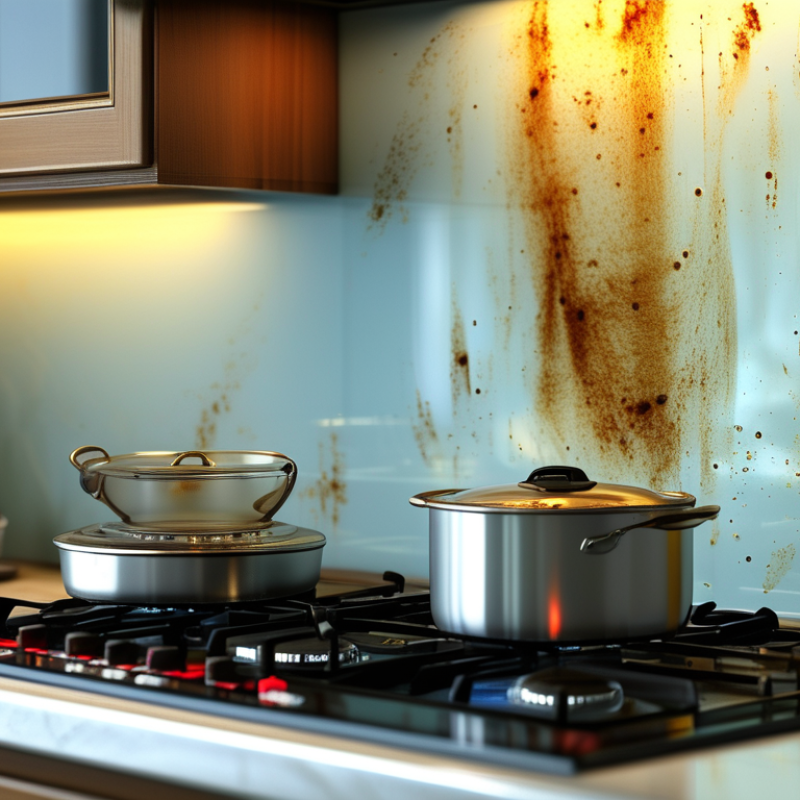
Understanding the Importance of Stove Glass Maintenance
Maintaining stove glass is crucial for both aesthetics and safety. A clean glass surface enhances visibility while cooking. Studies show that 70% of homeowners do not realize how dirty stove glass can affect their cooking experience. Residue buildup can obstruct the flame's view, leading to uneven cooking.
Regular cleaning not only improves function but also prolongs the lifespan of your stove. A report from the Home Appliance Research Institute reveals that neglected stove glass can diminish efficiency by up to 25%. Proper maintenance involves using gentle, non-abrasive cleaners and microfiber cloths, preventing scratches. Cleaning after each use helps to avoid stubborn stains that require intensive scrubbing later.
Effective maintenance practices can reduce the risk of potential hazards. Residue left on stove glass can catch fire, posing a serious risk. Research indicates that kitchen fires are responsible for nearly 50% of home fires annually. By keeping stove glass clean, you can significantly minimize these risks. It is essential to embrace a consistent cleaning routine, ensuring safety and performance in your cooking environment.
How to Clean and Maintain Your Stove Glass Effectively? - Understanding the Importance of Stove Glass Maintenance
| Maintenance Task |
Frequency |
Recommended Products |
Tips |
| Wipe Down Glass Surface |
After Each Use |
Vinegar Solution, Microfiber Cloth |
Use a gentle circular motion to avoid streaks. |
| Deep Clean |
Monthly |
Baking Soda, Water |
Make a paste and let it sit for 15 minutes before wiping. |
| Check for Cracks and Damage |
Every 3 Months |
N/A |
Report any issues to a professional immediately. |
| Replace Broken Glass |
As Needed |
Factory Replacement Parts |
Ensure the glass is compatible with your stove model. |
| Avoid Abrasive Cleaners |
Always |
N/A |
Abrasives can scratch and damage the glass surface. |
Essential Tools and Materials for Cleaning Stove Glass
When it comes to cleaning stove glass, having the right tools and materials is crucial. Start with a soft, lint-free cloth. This will prevent scratches while wiping away grime and splatters. A non-abrasive sponge is another essential. It should be gentle yet effective for tougher stains.
Consider a natural cleaning solution. A mixture of vinegar and water works wonders. This combination can cut through grease without harmful chemicals. Another option is a baking soda paste. Mix baking soda with water to create a thick paste. Apply it to stubborn spots and let it sit for a while.
Sometimes, even with the best tools, the task can feel daunting. You may encounter persistent stains that require extra time and patience. It’s okay to leave them for a later cleaning session. Reflect on your cleaning routine and adjust the tools if needed. Trust your judgment in finding the right approach for your cooking space.
Step-by-Step Guide to Cleaning Your Stove Glass
Cleaning your stove glass can seem daunting, but with the right approach, it’s manageable. Follow these simple steps. Begin by letting the stove cool down completely. This will prevent burns and ensure safety during the cleaning process. Gather your supplies: a soft cloth, white vinegar, and baking soda. These ingredients work wonders without harsh chemicals.
Apply a mixture of vinegar and baking soda on the glass. Let it sit for about 10-15 minutes. This bubbling reaction helps lift grime effectively. After soaking, wipe it clean with a damp cloth. For stubborn stains, you might need to repeat the process. Every home cook knows that one persistent smudge can be frustrating. Don’t hesitate to take your time to ensure a thorough clean.
Tips: Regular maintenance can make cleaning easier. Use a protective cover over the stove glass whenever possible. This helps in preventing dirt build-up. Always test any cleaning solution on a small area first. It’s wise to ensure it doesn’t damage the glass. Sometimes, a soft scrub pad may be necessary, but use it gently. Maintaining your stove glass not only enhances your kitchen's appearance but also extends its lifespan.
Preventing Stains and Smudges on Stove Glass
Cleaning stove glass can be a challenge. Smudges and stains often appear, making it hard to see the flame. Understanding how to prevent these issues is essential. Regular cleaning can help, but it’s also about being mindful while cooking.
One effective method is to wipe down the glass after each use. A simple cloth can catch spills before they harden. Use a mixture of vinegar and water for tough stains. This approach can seem simple, yet many overlook it in the rush of cooking.
Cooking with care also prevents the buildup of grime. Avoid boiling over pots or frying at high temperatures. These common kitchen mistakes can lead to excessive mess. Sometimes, it’s easy to overlook small tasks, yet they make a big difference. In the end, maintaining clear stove glass requires consistent effort and a little thoughtfulness.
Routine Maintenance Tips for Long-lasting Stove Glass Quality
Maintaining your stove glass is crucial for both aesthetics and functionality.
Regular cleaning prevents buildup that can obscure your view and affect performance.
Cooking splatters and spills happen, so dealing with them promptly is essential.
Use a soft cloth and gentle cleanser to avoid scratching.
Avoid abrasive materials that can damage the glass surface.
To extend the life of your stove glass, develop a routine.
A quick wipe after each use can make a significant difference.
Consider a deep clean once a month. This will prevent stubborn stains.
For tougher spots, a mixture of vinegar and baking soda can work wonders.
Apply it gently and let it sit for a few minutes before wiping.
Be mindful of how you cook.
High heat can lead to residue that’s difficult to clean.
If you notice any cracks or chips, take them seriously.
They can worsen over time. Addressing small issues early can save you from more extensive repairs.
Remember, prevention is key. Developing these habits now will ensure your stove glass remains clear and functional for years to come.


 Phone
Phone Send Email
 whatsapp
 Facebook