What is Coated Glass and Why is it Important for Buyers?
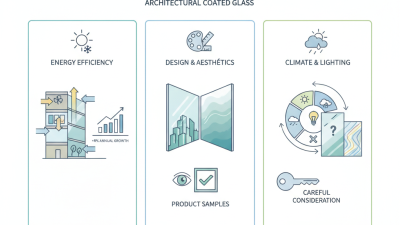
Coated glass plays a crucial role in modern architecture and design. Renowned industry expert, Dr. Emily Carter, emphasizes, "Coated glass enhances energy efficiency and aesthetic appeal." The significance of coated glass extends beyond mere functionality. It is essential for buyers to understand its benefits for sustainability and design.
With various coatings available, buyers can choose options that improve insulation and reduce glare. The right choice not only elevates a space but also minimizes energy costs. However, choosing coated glass can be complex. Buyers often struggle to understand the performance features and proper applications.
Coated glass is not just a product; it is an investment in quality and efficiency. Consumers must consider different coatings and their implications on performance. Each decision carries weight, impacting overall satisfaction and project success. As the industry evolves, the need for informed choices becomes critical. Educating oneself about coated glass is essential for making the right purchasing decisions.
What is Coated Glass?
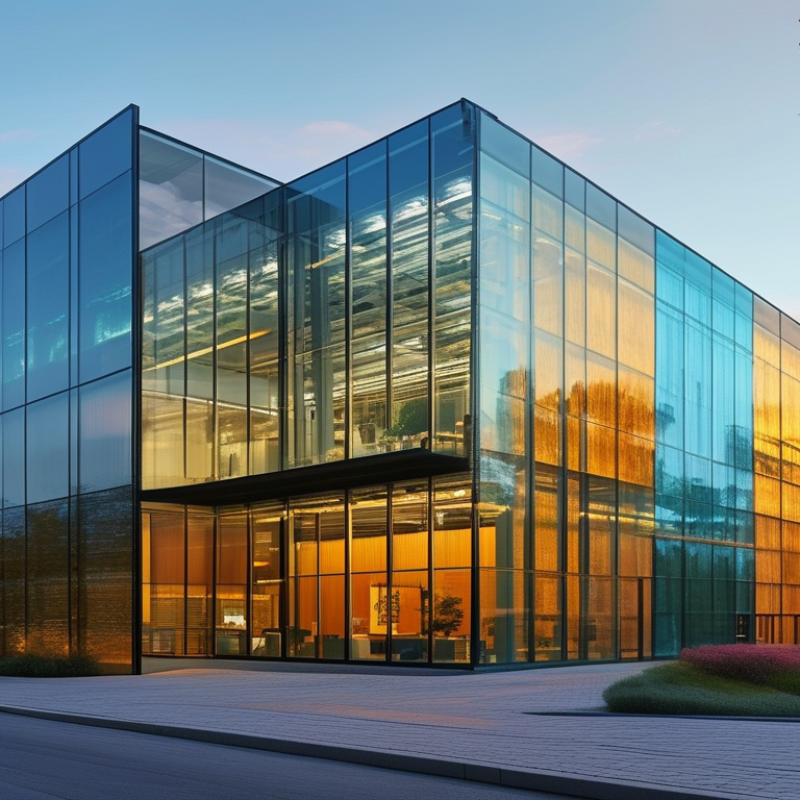
Coated glass is glass that has a thin layer of material applied to its surface to enhance performance. This coating can improve energy efficiency, reduce glare, and enhance durability. Reports indicate that the global coated glass market was valued at over $30 billion in 2022, with a projected growth rate of around 7% annually through 2030. This underscores the growing importance of coated glass in building and construction.
Coated glass serves various purposes. For instance, low-emissivity (Low-E) glass reflects heat, improving energy efficiency in buildings. It helps maintain interior temperatures, reducing heating and cooling costs. A study by the U.S. Department of Energy highlights that such glass can improve energy savings by up to 30%. Additionally, anti-reflective coatings can minimize glare and enhance clarity for commercial applications.
Choose the right coated glass for your needs. Different coatings provide distinct benefits, influencing energy performance and aesthetics. Evaluating the specific requirements is key when selecting glass products. Engaging with professionals to understand the best options can lead to better decisions. Also, reconsider your priorities; not all coatings may fit every project, leading to potential mismatches in performance and cost.
Coated Glass Popularity by Type
Types of Coatings Used in Coated Glass
Coated glass is an advanced material integral to modern architecture and design. The coatings applied vary widely, influencing performance attributes like energy efficiency and aesthetics. Among the most common types are low-emissivity (Low-E) coatings, which reflect infrared light while allowing visible light to pass through. According to a report by the Global Glass Coatings Market, Low-E glass accounted for over 40% of the total market share in 2022. This trend highlights its widespread adoption in energy-efficient buildings.
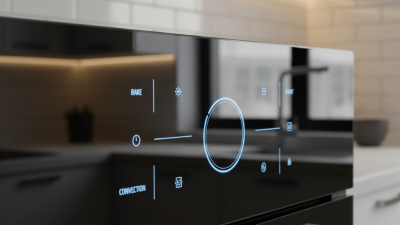
Another significant type of coating is the solar control coating. This coating helps to reduce heat gain while maintaining natural light. Industry data suggests that solar control glass can reduce air conditioning costs by up to 30%, making it a popular choice among environmentally conscious buyers. Antireflective coatings, used primarily in electronics and displays, enhance clarity and reduce glare. However, challenges exist, such as potential damage to the coatings during installation or cleaning.
Buyers often overlook the maintenance of these coatings. Each type demands specific care to retain its properties. The choice of coating should reflect the building's context and environmental conditions. Buyers must weigh the benefits against potential drawbacks, ensuring the selected coatings meet their long-term needs. The coatings' effectiveness often relies on proper installation and care, making expertise essential in the selection process.
What is Coated Glass and Why is it Important for Buyers? - Types of Coatings Used in Coated Glass
| Type of Coating |
Key Features |
Benefits |
| Low-E Coating |
Reflects heat while allowing visible light to pass through |
Improves energy efficiency, reduces heating costs |
| Tinted Coating |
Reduces glare and solar heat gain |
Enhances privacy, lowers cooling costs |
| Anti-Reflective Coating |
Minimizes light reflection on the glass surface |
Improves visibility, ideal for display applications |
| Hydrophobic Coating |
Repels water and prevents water spots |
Easier cleaning, maintains clarity |
| Self-Cleaning Coating |
Uses UV light to break down dirt and grime |
Reduces maintenance time, prolongs glass lifespan |
Applications of Coated Glass in Various Industries
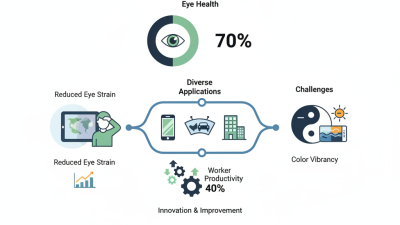
Coated glass has found widespread applications across various industries due to its unique properties. In the construction sector, it improves energy efficiency by reflecting unwanted solar heat. This feature aligns with recent reports indicating a potential 40% energy savings in residential buildings. Automotive manufacturers utilize coated glass to enhance safety and visibility. The anti-reflective and anti-fogging coatings contribute to clearer vision, particularly in adverse weather conditions.
In the electronics industry, coated glass is crucial for the production of displays, where it enhances touch sensitivity and durability. The global market for coated glass in electronics is projected to reach $10 billion by 2027, driven by increasing demand for high-quality screens. Moreover, in the solar energy sector, coated glass is essential for photovoltaic panels, increasing their efficiency by up to 25% through better light management.
For those considering coated glass, understanding the specific requirements of your application is vital. Evaluate the type of coating needed for your project—thermal insulation, anti-reflective, or protective coatings can each serve distinct purposes. Engaging with experts in the field can provide insights tailored to your needs, optimizing your investment. Regularly review industry reports for the latest advancements and trends, ensuring you make informed decisions.
Benefits of Using Coated Glass for Buyers
Coated glass has gained significant traction in various industries, offering numerous benefits to buyers. One primary advantage is energy efficiency. According to a report by the U.S. Department of Energy, windows are responsible for 25-30% of residential heating and cooling energy use. Coated glass helps to minimize heat transfer, leading to reduced energy costs. This is particularly important as homeowners seek solutions to rising utility expenses.
Another noteworthy benefit is UV protection. Coated glass can block up to 99% of harmful ultraviolet rays. This feature is crucial for homeowners looking to safeguard their furniture and belongings from fading. Additionally, a study from the International Glass Association reveals that coated glass can enhance safety and security by reducing shattering risks. This quality reassures buyers who prioritize safety in their purchasing decisions.
Despite these advantages, buyers should consider potential drawbacks. Not all coated glasses provide identical performance levels. It's essential to evaluate the specific types of coatings available and their effectiveness in different climates. Some coatings may require special maintenance, leading to additional costs over time. Understanding these nuances is vital for making informed decisions in the coated glass market.
Factors to Consider When Purchasing Coated Glass
When considering the purchase of coated glass, several factors come into play. Coated glass typically features a thin layer that enhances its properties. This can include energy efficiency, UV protection, and improved aesthetics. According to a report by the Glass Association, the market for coated glass has been growing steadily at an annual rate of approximately 8% since 2020. Buyers need to prioritize their specific needs, whether for residential windows or commercial facades.
The type of coating significantly affects performance. Low-emissivity (low-E) coatings can reduce energy costs by reflecting heat. Data indicates that buildings utilizing low-E coated glass save up to 25% on energy bills. However, buyers should also consider the durability of these coatings, as some may wear over time or under certain environmental conditions. Different climates can impact the longevity of the coating and its effectiveness.
Additionally, buyers should assess the transparency and color accuracy of coated glass. It is essential to check how the coatings affect light transmission. Reports suggest that certain coatings can alter visual clarity by up to 10%. Prospective buyers must weigh these factors carefully to ensure they make an informed decision that aligns with their project requirements and expectations.


 Phone
Phone Send Email
 whatsapp
 Facebook