10 Essential Tips for Using Ceramic Printed Glass in Outdoor Displays
As the demand for visually striking outdoor displays continues to surge, the adoption of Ceramic Printed Glass for Outdoor Display has become increasingly prevalent. According to a recent report by Market Research Future, the global market for ceramic printed glass is projected to grow at a compound annual growth rate (CAGR) of 8.5% from 2022 to 2028, driven by the need for durable and aesthetically pleasing solutions in public spaces. This innovative material not only enhances visual appeal but also offers resistance to various environmental factors, making it a preferred choice for outdoor applications.
Industry expert Dr. Amelia Chen, a leading specialist in architectural materials, emphasizes the importance of this technology, stating, "The integration of Ceramic Printed Glass for Outdoor Display not only elevates the aesthetic value of environments but also ensures longevity and minimal maintenance in exterior contexts." This underscores the transition toward sustainable and effective solutions in the design of outdoor displays. By leveraging the unique properties of ceramic printing, designers and businesses can create vibrant, weather-resistant displays that capture attention while enduring the elements.
In light of these advances, it is essential to explore best practices for utilizing Ceramic Printed Glass for Outdoor Display. Understanding both the technical specifications and design implications will empower creators to maximize their impact and longevity, ultimately transforming public spaces with eye-catching installations.

Understanding Ceramic Printed Glass and Its Benefits for Outdoor Displays
Ceramic printed glass is rapidly gaining recognition as a preferred material for outdoor displays, thanks to its unique properties and aesthetic appeal. Unlike traditional glass, ceramic printed glass combines the durability of glass with the rich, vibrant colors and intricate designs available through ceramic inks.
According to a recent report from the Glass Decor Association, 78% of consumers are drawn to colorful displays that enhance the visual experience, indicating the importance of design in attracting attention in outdoor environments. Furthermore, ceramic printed glass offers tremendous resistance to fading and scratching, which are critical factors for materials exposed to harsh weather conditions. This durability means that outdoor displays can maintain their striking appearance for years, reducing the need for frequent replacements.
In addition to its aesthetic benefits, ceramic printed glass provides greater energy efficiency compared to standard glass. The incorporation of ceramic inks enhances the glass's performance by offering improved thermal insulation, which can contribute to energy savings in buildings and displays. A study by the Institute of Glass and Ceramics found that ceramic printed glass can reduce heat transfer by up to 30% compared to non-treated glass. This property proves advantageous for outdoor displays as they not only look good but also contribute to overall energy efficiency. As the demand for sustainable building materials continues to rise, ceramic printed glass emerges as a versatile option that meets both functional and environmental criteria, making it an ideal choice for contemporary outdoor displays.
Factors to Consider When Choosing Ceramic Printed Glass for Outdoor Use
When selecting ceramic printed glass for outdoor displays, several crucial factors must be taken into account to ensure durability and effectiveness.
Firstly, look for UV resistance, as prolonged exposure to sunlight can cause fading and degradation of printed graphics.
According to a report by the Glass Association, ceramic printed glass from reputable manufacturers can maintain color vibrancy and integrity for up to 20 years even in harsh environmental conditions, making it ideal for outdoor applications.
Another essential factor is the glass's thermal stability. Outdoor displays frequently encounter temperature fluctuations, and selecting a type of ceramic printed glass that can withstand these changes is vital for preventing cracking and warping.
A study conducted by the National Glass Association highlights that thermal shock resistance is particularly important in regions with extreme weather. By assessing the glass's thermal properties, you can ensure that your display will look pristine and function effectively throughout various seasonal changes. Additionally, consider the thickness of the glass; a minimum thickness of 6mm is often recommended to enhance strength and resistance against impact.
Lastly, it’s essential to evaluate the surface finish of the ceramic printed glass, as it can affect both aesthetics and maintenance. A textured or treated surface can help resist dirt and grime accumulation, leading to lower maintenance needs and preserving the display's appearance longer.
Research from the International Glass Research Institute shows that well-finished ceramic glass can significantly reduce cleaning frequency, thereby saving time and resources while ensuring your outdoor display remains visually appealing.
Tips for Proper Installation of Ceramic Printed Glass Displays
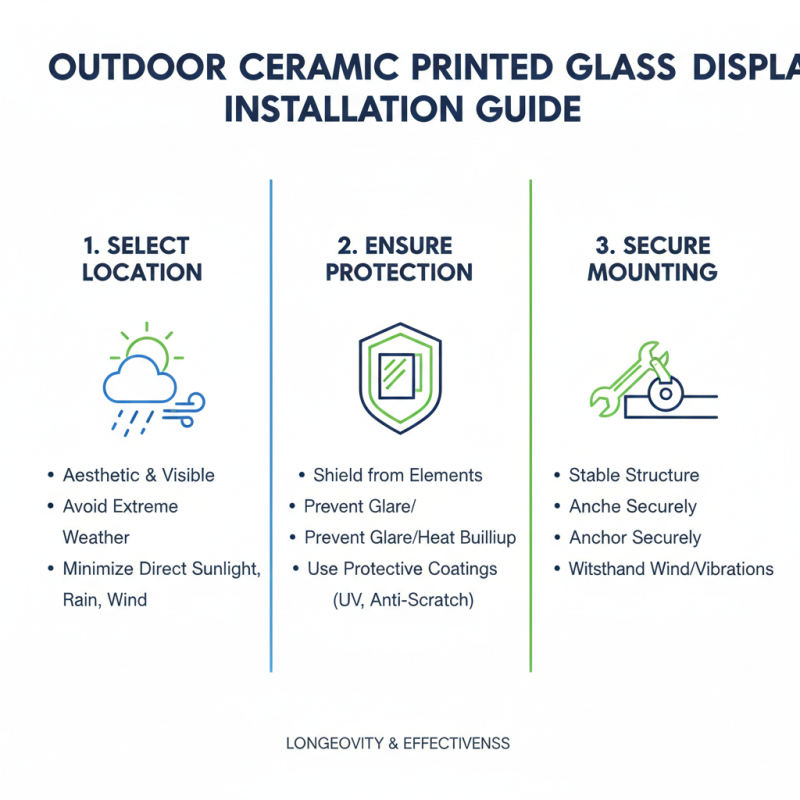
When installing ceramic printed glass displays outdoors, proper preparation and attention to detail are crucial for ensuring their longevity and effectiveness. First, it is essential to select a suitable location that is not only aesthetically pleasing but also protects the display from extreme weather conditions. Factors such as direct sunlight, heavy rainfall, and strong winds should be considered, as these elements can compromise the integrity of the glass. Additionally, using a stable and secure mounting structure will prevent any potential accidents or damage over time.
Next, the installation process itself plays a vital role in the success of outdoor displays. Ensure that the surface where the glass will be mounted is clean and level to allow for a seamless installation. Utilizing high-quality sealing materials will provide extra protection against water infiltration and increase the durability of the display. Furthermore, incorporating drainage solutions can help manage water runoff effectively, safeguarding the glass from potential environmental wear. By carefully planning the installation and considering these essential tips, ceramic printed glass displays can maintain their vibrant appearance and functional integrity outside for years to come.
Maintenance and Care for Longevity of Outdoor Ceramic Printed Glass
Proper maintenance and care of ceramic printed glass used in outdoor displays is essential for ensuring its longevity and aesthetic appeal. According to a report from the Market Research Institute, outdoor display products experience an average lifespan of about 5-7 years, but this can be significantly extended with appropriate upkeep. Regular cleaning is crucial; using a soft cloth and a pH-balanced cleaner can prevent the buildup of dirt and grime that can lead to scratching or fading. Additionally, applying a protective sealant annually can help guard against UV damage and environmental exposure, which can degrade the vibrant colors of the ceramic prints.
Environmental conditions play a vital role in the preservation of these displays. In areas with high humidity or extreme temperature fluctuations, the material can be at risk for moisture-related issues. A study published in the Journal of Materials Science indicates that maintaining a stable environment can reduce these risks by up to 40%. It's advisable to inspect the displays regularly for any signs of deterioration and to clean them gently after severe weather conditions. Implementing these maintenance practices not only enhances the longevity of ceramic printed glass but also maintains the visual integrity of outdoor displays, making them an effective choice for long-term investments in public spaces.
Maintenance and Care Tips for Outdoor Ceramic Printed Glass
This chart showcases the importance of different maintenance tips for extending the longevity of outdoor ceramic printed glass. Each bar represents the effectiveness of specific maintenance methods based on user feedback.
Creative Applications of Ceramic Printed Glass in Outdoor Environments
Ceramic printed glass has emerged as a transformative material in outdoor displays, offering unparalleled durability and aesthetic appeal. According to a report by MarketsandMarkets, the global ceramic coatings market is expected to reach USD 12.2 billion by 2025, reflecting the growing interest in versatile materials for various applications, including outdoor environments. The unique properties of ceramic printed glass, such as resistance to UV radiation, weather conditions, and vandalism, make it an ideal choice for outdoor signage and displays.
Creative applications of ceramic printed glass in outdoor settings are vast and innovative. It can be used for everything from public art installations to information kiosks, seamlessly integrating into urban landscapes while providing essential information and enhancing visual interest. A study by ResearchGate noted that outdoor displays using advanced materials like ceramic printed glass can increase viewer retention by up to 70%, demonstrating its effectiveness in capturing attention. Moreover, the ability to customize designs directly onto glass surfaces opens up new avenues for artists and advertisers alike, allowing for a fusion of art and function that’s particularly vital in busy outdoor spaces.
10 Essential Tips for Using Ceramic Printed Glass in Outdoor Displays
| Tip Number |
Tip Description |
Application Example |
Benefits |
| 1 |
Choose the right ceramic inks for outdoor durability. |
Signage in public gardens. |
Enhanced longevity and color vibrancy. |
| 2 |
Consider using anti-graffiti coatings. |
Art installations in urban areas. |
Easier maintenance and cleaning. |
| 3 |
Incorporate natural elements into designs. |
Park kiosks featuring landscape motifs. |
Enhances harmony with the environment. |
| 4 |
Utilize layered texturing for depth. |
Interactive displays in museums. |
Increased visual interest. |
| 5 |
Explore backlighting options. |
Nighttime displays in retail areas. |
Enhanced visibility and allure. |
| 6 |
Use contrasting colors for impact. |
Billboards in urban centers. |
Improved attention-grabbing capabilities. |
| 7 |
Implement QR codes for interactivity. |
Information displays in parks. |
Engages audiences with digital content. |
| 8 |
Ensure UV stability in printed designs. |
Outdoor art pieces. |
Prevents fading over time. |
| 9 |
Plan for maintenance accessibility. |
Large outdoor signage. |
Saves time and effort during upkeep. |
| 10 |
Collaborate with local artists. |
Community murals. |
Fosters local engagement and creativity. |


 Phone
Phone Send Email
 whatsapp
 Facebook