What is High Transmittance Glass and Its Benefits for Modern Applications
High Transmittance Glass is rapidly gaining prominence in various modern applications, thanks to its superior optical properties and versatility. This specialized glass is designed to allow a significant amount of light to pass through, making it an ideal choice for industries ranging from architecture to electronics. The demand for High Transmittance Glass is driven by the need for enhanced visibility, energy efficiency, and aesthetic appeal in contemporary design, where natural light plays a pivotal role in creating welcoming and productive environments.
The benefits of High Transmittance Glass extend beyond mere illumination; it also contributes to energy conservation by optimizing the use of sunlight in buildings, thereby reducing the reliance on artificial lighting. Additionally, its clarity and strength make it suitable for a multitude of applications, including solar panels, automotive glass, and high-end display technologies. As innovative approaches to design and sustainability continue to evolve, the use of High Transmittance Glass lays the groundwork for futuristic solutions that align with modern architectural and engineering demands.
In conclusion, High Transmittance Glass represents a significant advancement in material technology that meets the challenges of modern applications. Its combination of aesthetic appeal, energy efficiency, and functionality positions it as a vital component in shaping the future of our built environments and technological innovations.

What is High Transmittance Glass and Its Definition in Modern Applications
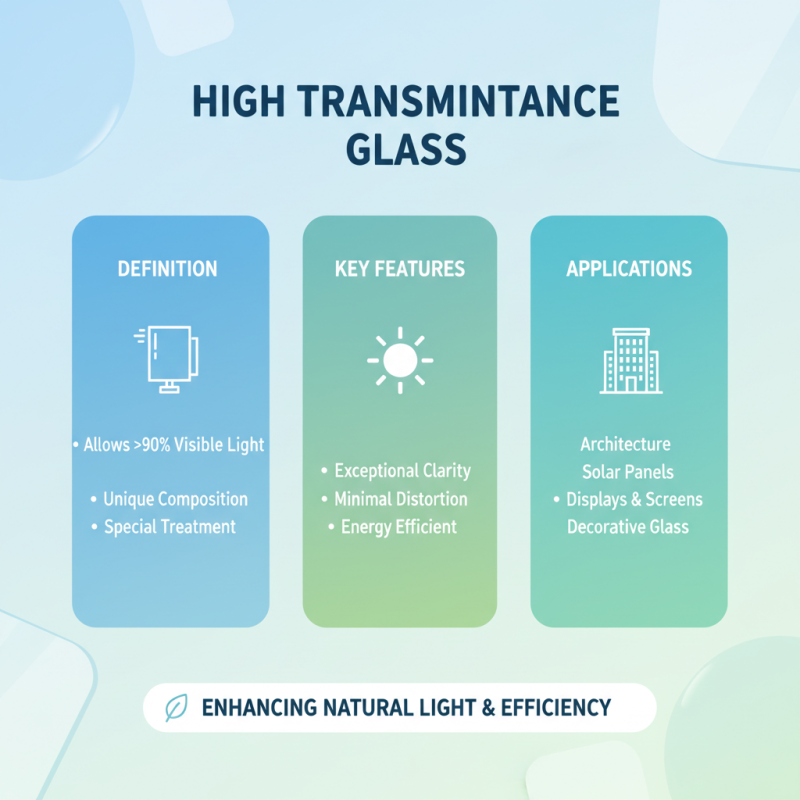
High transmittance glass, characterized by its ability to allow a high amount of visible light to pass through, plays a significant role in various modern applications. Defined by its unique composition and treatment processes, this type of glass typically exhibits transmittance levels exceeding 90%. This makes it an ideal choice for environments where natural light is essential, such as in architectural designs, transparent structures, and energy-efficient buildings. Its clarity and minimal distortion also enhance aesthetic appeal, making it favorable for decorative purposes in both residential and commercial spaces.
In addition to its aesthetic benefits, high transmittance glass contributes to energy efficiency. By maximizing daylight penetration, it reduces the need for artificial lighting, thus lowering energy consumption and promoting sustainability. Its applications extend beyond conventional settings; for example, high transmittance glass is increasingly utilized in solar energy solutions, where it helps improve the efficiency of solar panels by allowing more sunlight to reach the cells. This versatility demonstrates its value in adapting to modern technological demands, making high transmittance glass an essential material in the evolution of contemporary design and energy management.
Key Properties of High Transmittance Glass: Composition and Characteristics
High transmittance glass is engineered to maximize the amount of visible light that passes through its surface, making it an essential material for various modern applications, including architecture, automotive, and electronics. The composition of high transmittance glass typically includes high-purity silica, boron oxide, and alumina, which work together to enhance clarity and reduce light distortion. This unique blend not only allows for greater light penetration but also improves thermal and chemical resistance, making it suitable for challenging environments.
When considering high transmittance glass for your project, it’s essential to understand its characteristics. The glass is often produced using advanced manufacturing techniques that minimize impurities and bubbles, resulting in a clearer product. Additionally, it can be treated with specialized coatings to further enhance its optical quality and energy efficiency. As a tip, always evaluate the specific light transmittance percentage you need for your application, as this can vary significantly among different types of high transmittance glass.
Another advantage of high transmittance glass is its impact resistance, which is crucial for safety applications. This type of glass can be tempered or laminated to withstand external forces while maintaining transparency. As you explore options, remember to consult with professionals who can help you select the best glass type that aligns with both aesthetic and functional requirements of your project.
Industry Applications of High Transmittance Glass in Architecture and Design
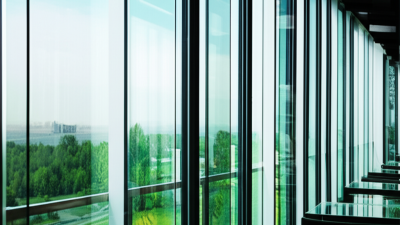
High transmittance glass is increasingly transforming architectural and design practices, offering remarkable clarity and light transmission that enhances both functionality and aesthetic appeal. In modern architecture, this type of glass is widely used in facades, skylights, and large windows, allowing natural light to flood indoor spaces while maintaining thermal insulation and energy efficiency. Its ability to transmit up to 90% of visible light contributes to a bright and inviting atmosphere, which is particularly valued in commercial buildings, museums, and residential spaces where ambiance is crucial.
In design applications, high transmittance glass lends itself well to innovative concepts such as glass partitions and staircases, making spaces feel more open and fluid. Designers capitalize on its visual characteristics to create seamless transitions between indoor and outdoor environments, effectively blurring the lines and creating a connection with nature. Furthermore, the use of this glass in furniture and decorative elements enhances the overall design concept, allowing for creative expressions that embrace transparency and light. These applications not only highlight the material's aesthetic benefits but also emphasize sustainability in modern design practices, aligning with contemporary preferences for eco-friendly and energy-efficient solutions.
High Transmittance Glass Applications in Architecture and Design
Comparative Analysis: High Transmittance Glass vs. Traditional Glass Materials
High transmittance glass, known for its superior light transmission properties, significantly outperforms traditional glass materials in various applications. Traditional glass typically reflects a considerable amount of light, leading to reduced visibility and brightness within enclosed spaces. In contrast, high transmittance glass minimizes reflective losses, allowing more natural light to enter a room, which enhances aesthetic appeal and reduces reliance on artificial lighting. This property makes it an ideal choice for architectural designs, such as large windows and glass facades, where maximizing daylight is a priority.
Moreover, the benefits of high transmittance glass extend beyond mere optical performance. It generally possesses better thermal insulation properties compared to traditional glass, helping to maintain indoor temperatures and improve energy efficiency. This quality is particularly advantageous in modern buildings, where sustainability and energy conservation are prominent concerns. Additionally, high transmittance glass can be treated with coatings that provide UV protection or enhanced durability, thereby increasing its lifespan and functionality. As a result, when comparing high transmittance glass to traditional materials, it becomes clear that the former offers significant advantages in terms of both performance and sustainability, catering to the needs of contemporary architecture and design.
Benefits of High Transmittance Glass: Energy Efficiency and Sustainability Metrics
High transmittance glass is rapidly gaining attention in various industries due to its exceptional benefits in energy efficiency and sustainability. According to a report by the Glass Manufacturing Industry Council, glass with a transmittance rate of over 90% can significantly reduce the need for artificial lighting in commercial buildings, leading to lower energy consumption and operational costs. This type of glass not only allows more natural light to penetrate indoor spaces but also plays a crucial role in minimizing the heat island effect, enhancing overall building performance.
Another significant advantage of high transmittance glass is its contribution to sustainability metrics. A study published in the Journal of Cleaner Production indicates that buildings utilizing high transmittance glass can reduce their carbon footprint by up to 30%. Additionally, this glass type is often recyclable, promoting a circular economy and aligning with modern environmental goals. By reflecting these qualities, architects and designers can create structures that are not just aesthetically pleasing but also environmentally responsible.
**Tips:** When considering high transmittance glass for your projects, evaluate the local climate and building orientation to maximize energy efficiency. Choosing the right type of glass can lead to significant long-term savings and a positive environmental impact. Moreover, integrating smart technologies with high transmittance glass can further enhance energy management within buildings.
What is High Transmittance Glass and Its Benefits for Modern Applications
| Attribute |
Description |
Benefit |
| Light Transmittance |
Percentage of light that passes through the glass |
Enhances natural lighting in buildings, reducing the need for artificial lighting |
| UV Blocking |
Ability to filter harmful ultraviolet (UV) rays |
Protects interiors from fading and offers health benefits by reducing UV exposure |
| Energy Efficiency |
Insulating properties that reduce heat transfer |
Lowers heating and cooling costs, contributing to overall energy savings |
| Sustainability Metrics |
Life cycle assessment and recycled content |
Supports green building standards and reduces environmental impact |
| Aesthetic Appeal |
Clarity and visual qualities of the glass |
Increases property value and enhances design flexibility |


 Phone
Phone Send Email
 whatsapp
 Facebook