What is Insulated Glass and Why is it Important for Buyers?
Insulated Glass is a critical component in modern construction. According to industry expert Dr. Emily Carter, "Insulated Glass enhances energy efficiency and comfort in buildings." This statement highlights its value for both homeowners and builders.
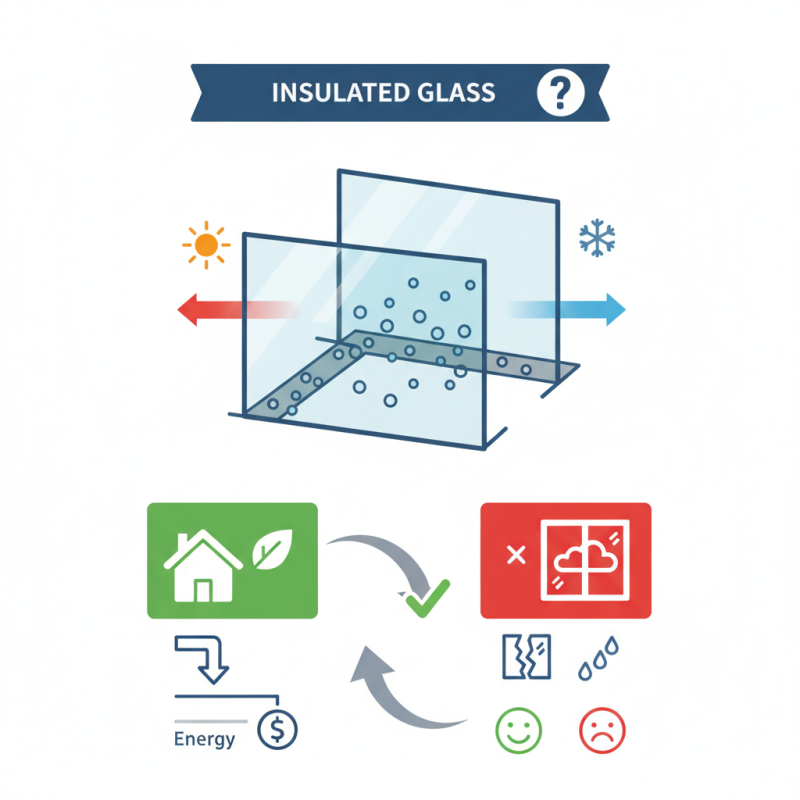
This type of glass consists of two or more layers, separated by a space filled with air or inert gas. This design minimizes heat transfer. Consequently, it helps in reducing energy costs significantly. Buyers often seek buildings featuring Insulated Glass for its long-term benefits.
However, not all Insulated Glass products are created equal. Some may have poor sealing, leading to condensation and reduced insulation. This can result in dissatisfaction for buyers. Thus, understanding the quality and specifications of Insulated Glass is essential for making informed decisions.
What is Insulated Glass?
Insulated glass, also known as double or triple glazing, is crucial for modern buildings. This type of glass consists of multiple panes separated by a gas-filled space. It significantly improves energy efficiency by reducing heat transfer. According to the U.S. Department of Energy, insulated glass can reduce energy consumption by up to 30%. This means potential cost savings for homeowners and businesses.
Using insulated glass not only enhances energy efficiency but also improves comfort. It minimizes drafts and reduces noise pollution. The National Glass Association reports that proper installation of insulated glass can yield a 15-20% reduction in heating and cooling costs. However, poor sealing or installation might lead to fogging and reduced performance over time. It’s vital to hire experienced professionals for installation.
Tips:
Look for windows with low U-values. This indicates better insulation. Regularly check for air leaks around your windows. Address any issues promptly to maintain efficiency. Also, consider the climate in your area. Different regions may have varying requirements for insulated glass performance.
Components of Insulated Glass Units
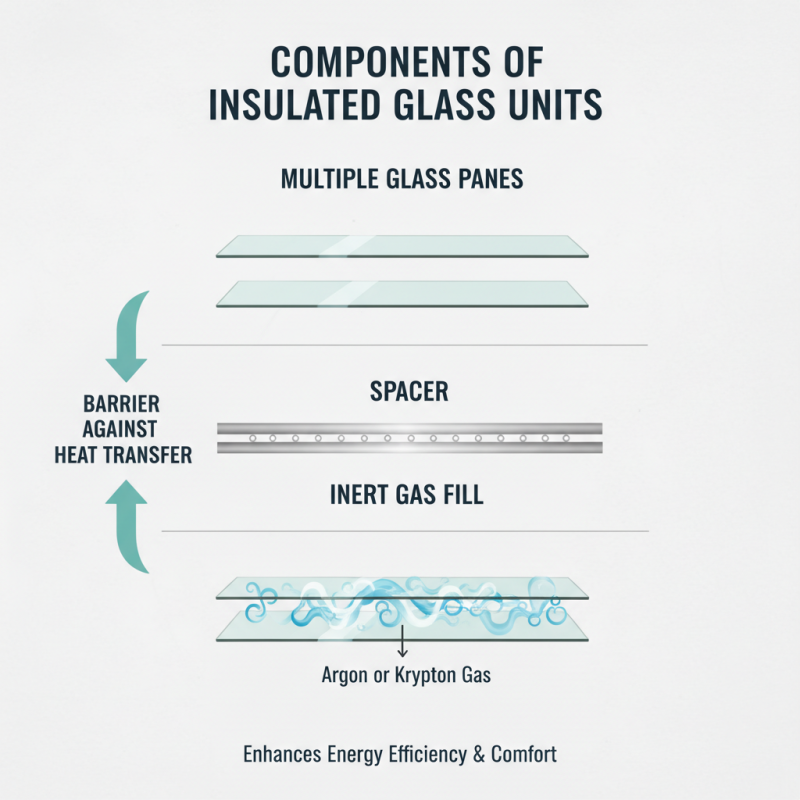
Insulated glass, often known for its energy efficiency, consists of several key components. These include multiple glass panes, a spacer, and an inert gas fill. The design creates a barrier against heat transfer, making homes more comfortable. Buyers should understand how these elements contribute to performance.
Multiple panes of glass trap air or gas between them. Typically, argon or krypton gas fills the space, improving insulation. The spacer, often made of aluminum or a warm-edge material, separates the panes. It also helps maintain the integrity of the seal. A strong seal is vital; any failure can compromise insulation efficiency.
Temperature fluctuations can challenge these units. Without proper installation, condensation may form. This can lead to mold growth or fogged windows. Buyers should prioritize quality materials and expert installation. It’s essential to invest in insulated glass that meets energy standards. This ensures long-term performance and comfort in any building.
Benefits of Insulated Glass for Energy Efficiency
Insulated glass consists of two or more glass panes separated by a space filled with gas. This design significantly enhances energy efficiency in buildings. With air or argon gas trapped between the panes, heat transfer is minimized. As a result, indoor temperatures remain stable throughout the year.
One key benefit of insulated glass is its ability to reduce energy costs. Homeowners often see lower heating and cooling bills. Quality insulated glass can block out noise, adding an extra layer of comfort. It also protects interiors from harmful UV rays, which can fade furniture and artwork over time.
While insulated glass offers numerous advantages, not all options are equal. Poor installation can lead to air leakage, negating the benefits. It's essential to consult experts who can guide you on the best choices for your specific needs. Understanding insulation ratings is crucial for making informed decisions.
Energy Efficiency Benefits of Insulated Glass
Factors to Consider When Buying Insulated Glass
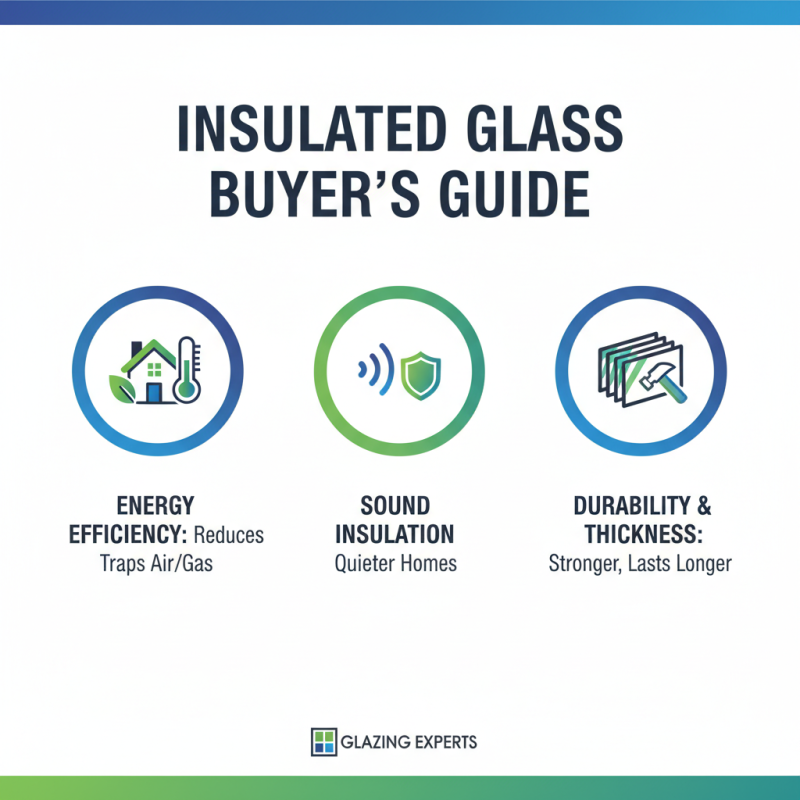
When considering insulated glass, buyers should focus on several key factors. Energy efficiency is at the top of the list. Insulated glass panes trap air or gas between them, providing better insulation than single-pane options. This technology reduces heating and cooling costs. The thickness of the glass also matters. Thicker panes improve sound insulation and add durability.
Another critical aspect is the spacer material used between the panes. A high-quality spacer minimizes heat transfer and prevents moisture buildup. Pay attention to the seal integrity, as poor seals can lead to condensation between the panes, compromising performance.
**Tips:** Choose low-emissivity coatings for better thermal performance. Check for warranties, as they indicate manufacturer confidence. Always consult with experts before making a decision. They can guide you in selecting the best insulated glass for your specific needs.
Common Applications of Insulated Glass in Construction
Insulated glass, often used in construction, provides several key benefits. One common application is in residential windows. These windows help maintain indoor temperatures, reducing energy costs. They trap air between glass panes, acting as insulation. This feature is crucial in regions with extreme temperatures. It keeps homes warm in winter and cool in summer.
Another important application is in commercial buildings. Insulated glass is used in storefronts and office buildings. It enhances energy efficiency and comfort for occupants. Additionally, this type of glass helps reduce noise pollution. In busy urban areas, this is a significant advantage. However, installation can be tricky and must be done correctly. Improper installation may lead to issues like condensation between panes.
Architects and builders increasingly favor insulated glass for its versatility. It can be tailored to various designs and performance needs. While it seems advantageous, not all insulated glass is equal. Some products could have durability issues, which may not be evident initially. Therefore, buyers are encouraged to research options thoroughly before purchasing.


 Phone
Phone Send Email
 whatsapp
 Facebook