What is Sandblasted Glass and Its Applications for Buyers?
In today's design landscape, Sandblasted Glass is gaining significant attention. This technique creates unique textures and patterns, enhancing the aesthetic of various spaces. According to Michael Thompson, a renowned expert in glass design, "Sandblasted Glass transforms ordinary settings into extraordinary experiences." His insights remind us of the potential beauty in this medium.
Sandblasted Glass has diverse applications, from residential to commercial settings. Homeowners use it to add privacy while maintaining light. Businesses often employ it for branding purposes. The ability to customize the glass creates endless possibilities. However, not all sandblasted finishes are created equal. Quality matters significantly in durability and appearance.
While Sandblasted Glass offers striking visuals, it requires careful consideration. Potential buyers should reflect on their specific needs. Factors like maintenance and cost must be evaluated. Understanding these aspects is crucial for making an informed decision. The beauty of Sandblasted Glass lies not just in its appearance, but in how it fits your unique vision.
What is Sandblasted Glass?
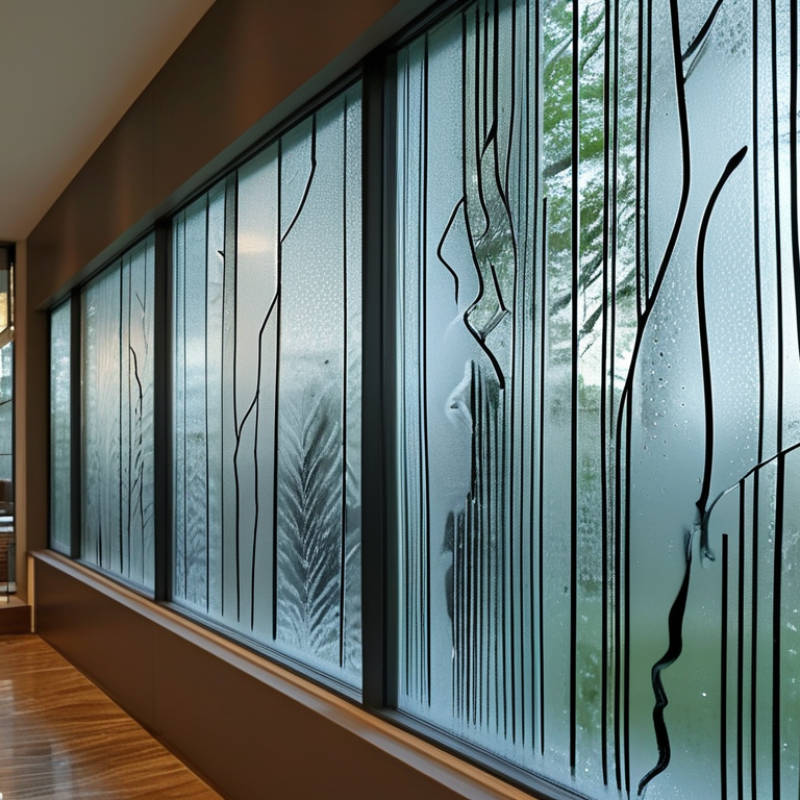
Sandblasted glass, a unique finish for glass surfaces, involves shooting fine particles at glass to create a textured look. This process not only adds visual interest but also provides some functional benefits. The frosted appearance can diffuse light effectively, enhancing privacy without sacrificing brightness.
For those considering sandblasted glass, it is essential to understand its versatility. It is widely used in interior design, signage, and decorative art. Homeowners often choose it for shower doors and room dividers. Commercial spaces utilize it for branding in office glass partitions.
Tips: When selecting sandblasted glass, think about the level of opacity you desire. A more opaque finish offers better privacy but less light transmission. Additionally, consider the surrounding decor. Sandblasted glass can complement or clash with existing styles. Regular cleaning is essential to maintain its aesthetic appeal. Use non-abrasive cleaners to avoid damaging the texture.
Some users may find it challenging to balance aesthetics and functionality. The finish can be more difficult to clean than clear glass. Take that into account if you have a busy space that needs frequent maintenance. Thoughtful planning can help achieve a stylish yet practical application.
Sandblasted Glass Applications
The Process of Sandblasting Glass Explained
Sandblasting glass is an intricate process that transforms ordinary glass into beautiful, textured surfaces. This technique involves propelling fine particles, typically sand, at high speeds onto the glass surface. The impact creates a frosted effect, enhancing both aesthetics and functionality. The method can be tailored to produce various designs, making it suitable for diverse applications.
During sandblasting, operators must wear appropriate protective gear. Safety goggles and masks are essential to shield against the fine particles released into the air. The process requires a skilled hand to achieve precise designs. While it may look simple, the technique demands practice and understanding. An uneven touch can ruin a piece, highlighting the importance of skill in this craft.
Different materials can be used in the sandblasting process. Each medium offers unique finishes, from smooth to rough textures. This versatility allows for creative expression. However, it also requires careful consideration when choosing the right approach for each project. Understanding the properties of glass and the implications of various techniques can lead to better outcomes. The journey of creating sandblasted glass is one of trial and error, making each piece unique in its imperfections and beauty.
Common Applications of Sandblasted Glass
Sandblasted glass offers a unique combination of aesthetics and functionality, making it a popular choice for various applications. In architectural settings, it provides both privacy and light diffusion. This creates an inviting atmosphere in offices and homes. People often opt for sandblasted glass in bathroom windows. It allows natural light while keeping prying eyes away.
In commercial spaces, it serves as an effective branding tool. Many restaurants and shops use it for logo display or company names. The etched effect stands out without being overly intrusive. Sandblasted glass can also enhance the beauty of decorative items. Vases and glass art pieces gain a textured surface that adds depth.
However, the impact of sandblasted glass isn't solely visual. Care needs to be taken in the installation process. Any mistakes can diminish its appeal. It is essential to work with experienced professionals to achieve the desired result. The subtle imperfections in the sandblasting process can also lead to intriguing patterns, offering a chance for reflection on beauty in flaws. Overall, its versatility makes sandblasted glass a valuable option for many applications.
Benefits of Using Sandblasted Glass in Design
Sandblasted glass is known for its distinct texture and durability. This process involves blasting glass with abrasive materials to create a frosted effect. The result is a versatile material widely used in architecture and interior design. According to the Glass Association, sandblasted glass contributes to approximately 15% of the decorative glass market. Its ability to diffuse light while maintaining privacy makes it a favorite in spaces like offices and homes.
Utilizing sandblasted glass in design offers significant benefits. It provides a unique aesthetic that enhances modern spaces. The matte finish allows for light transmission, creating a bright atmosphere without full visibility. A study by the Architectural Glass Institute found that 70% of designers prefer textured glass due to its ability to add depth to interiors. While sandblasted glass is durable, issues can arise with maintenance, as dirt accumulation can diminish its appeal. Understanding these nuances is crucial for effective design implementation.
Choosing the Right Sandblasted Glass for Your Needs
When selecting sandblasted glass, understanding its features is crucial. Sandblasted glass has a unique texture created by blasting the surface with sand particles. This process not only enhances aesthetic appeal but also provides privacy. In commercial spaces, it effectively separates areas while still allowing natural light to pass through. According to a report by the Glass Association, over 70% of architects and designers prefer textured materials for their projects.
Identifying your specific needs is vital in choosing the right sandblasted glass. For example, different sandblasting techniques yield varied textures and levels of opacity. Some may prefer a more subtle finish, while others might seek a striking design. Additionally, installation requirements can differ based on the thickness and type of glass chosen. Consider consulting with professionals for tailored advice based on the intended use and environment.
It's essential to note that while sandblasted glass is durable, it can show wear over time. Frequent cleaning can diminish the texture's visual impact. Understanding these factors can lead to better decision-making. Buyers should weigh long-term maintenance against immediate aesthetic desires to make an informed choice.


 Phone
Phone Send Email
 whatsapp
 Facebook