What is Tempered Glass and Why is it Important in 2026?
Tempered glass is a crucial material in various industries. In 2026, its importance continues to rise. According to the Glass Association's 2023 report, the tempered glass market is projected to reach $90 billion by 2026. This growth highlights its significant role in safety and design.
Industry expert Dr. Emily Frost emphasizes, "Tempered glass changes the way we think about durability and aesthetics." This sentiment captures the material's dual importance. Tempered glass is known for its strength and ability to withstand thermal shocks. Yet, despite its advantages, many still overlook its applications in everyday products.
As we advance, the demand for tempered glass will increase. Architectural designs often feature large, glass facades that require strength. However, the reliance on tempered glass may lead to overconfidence in its safety. This presents a critical reflection point for manufacturers and consumers alike. Balancing beauty and safety remains essential.

Definition of Tempered Glass and Its Manufacturing Process in 2026
Tempered glass, also known as toughened glass, is made through a specific heating and cooling process. This process increases the strength of the glass. It involves heating the glass to over 600 degrees Celsius and then rapidly cooling it. This creates internal stresses that enhance its toughness. As a result, tempered glass is resistant to impact and thermal stress.
However, the process is not without its challenges. Achieving uniform thickness is crucial. Variations can lead to weak spots in the glass. Additionally, if the heating or cooling is inconsistent, the glass may shatter unexpectedly. This has led to calls for stricter quality control in manufacturing.
The use of tempered glass is important in various applications, like windows and shower doors. Its safety features make it a preferred choice. In 2026, with more glass structures emerging, it is vital to ensure effective production processes. The industry must reflect on how to improve these techniques. Balancing safety and aesthetics remains an ongoing challenge.
Key Properties of Tempered Glass: Strength, Safety, and Thermal Resistance
Tempered glass is increasingly important in construction and design. Its unique properties make it a top choice for modern applications. According to industry reports, tempered glass is up to five times stronger than ordinary glass. This strength comes from the heating and cooling process it undergoes. Such resilience makes it ideal for doors, facades, and safety barriers.
Safety is another vital aspect of tempered glass. When broken, it shatters into small, blunt pieces. This reduces the risk of injury, an essential consideration for busy public spaces. In fact, studies show that over 90% of architects prefer using tempered glass in high-traffic areas. It provides peace of mind without sacrificing style.
Thermal resistance adds another layer of value. Tempered glass can withstand temperature fluctuations ranging from -40 to 250 degrees Fahrenheit. This feature is crucial in regions with extreme climates. However, there are occasional flaws. Improper manufacturing can lead to inconsistent quality, prompting a need for better regulations. Elevating manufacturing standards is essential in ensuring that tempered glass meets safety and quality expectations.
Key Properties of Tempered Glass in 2026
Industrial Applications of Tempered Glass in Construction and Automotive Sectors
Tempered glass has become a crucial material in various industries, particularly in construction and automotive sectors. Its strength and resistance to temperature changes make it ideal for buildings. In construction, tempered glass can withstand high winds and impacts. Larger windows can be designed, enhancing the aesthetics of modern buildings.
In the automotive sector, tempered glass is used for windows and windshields. It provides increased safety during accidents. The glass shatters into small pieces rather than sharp shards, reducing injury risks. Vehicles equipped with tempered glass are safer and more appealing to buyers.
**Tip:** When choosing tempered glass for your project, always consult a professional. Ensure the glass meets industry standards.
Despite its advantages, not all tempered glass is the same. Variations in quality can affect performance. It’s essential to do thorough research before making a selection. Additionally, installation matters. Poor installation can negate the benefits of using tempered glass altogether.
**Tip:** Regular inspections can help maintain the integrity of tempered glass in your building. Look for cracks or chips to ensure safety.
What is Tempered Glass and Why is it Important in 2026? - Industrial Applications of Tempered Glass in Construction and Automotive Sectors
| Application Sector |
Key Benefits |
Market Growth (2023 - 2026) |
Percentage of Use in Sector |
| Construction |
High thermal resistance, safety, aesthetics |
15% |
30% |
| Automotive |
Impact resistance, safety, lightweight |
10% |
25% |
| Electronics |
Durability, scratch resistance, design versatility |
12% |
20% |
| Furniture |
Safety, design aesthetics |
8% |
15% |
| Architecture |
Sustainability, energy efficiency |
20% |
35% |
The Role of Tempered Glass in Sustainability and Energy Efficiency Goals
Tempered glass plays a crucial role in the building sustainability landscape. In 2026, its importance is more evident than ever. This glass is designed to withstand greater temperature changes. It is about five times stronger than regular glass. The enhancing strength also makes it safer. When broken, it shatters into small, blunt pieces, reducing injury risks.
Energy efficiency is another critical aspect. According to a recent report by the International Energy Agency, buildings account for 36% of global energy use. Utilizing tempered glass can help lower this figure. The material has excellent insulation properties. A study shows that using tempered glass can reduce heating and cooling costs by up to 30%. This aligns with goals for reducing carbon footprints in urban environments.
However, the production process of tempered glass needs careful scrutiny. It requires substantial energy input. As we push for sustainability, we must consider if tempered glass is indeed a green choice. Balancing its benefits against the energy cost of manufacturing is essential. A deeper reflection on production practices is needed to ensure a beneficial impact on our planet.
Market Trends and Forecast for Tempered Glass Demand in 2026 and Beyond
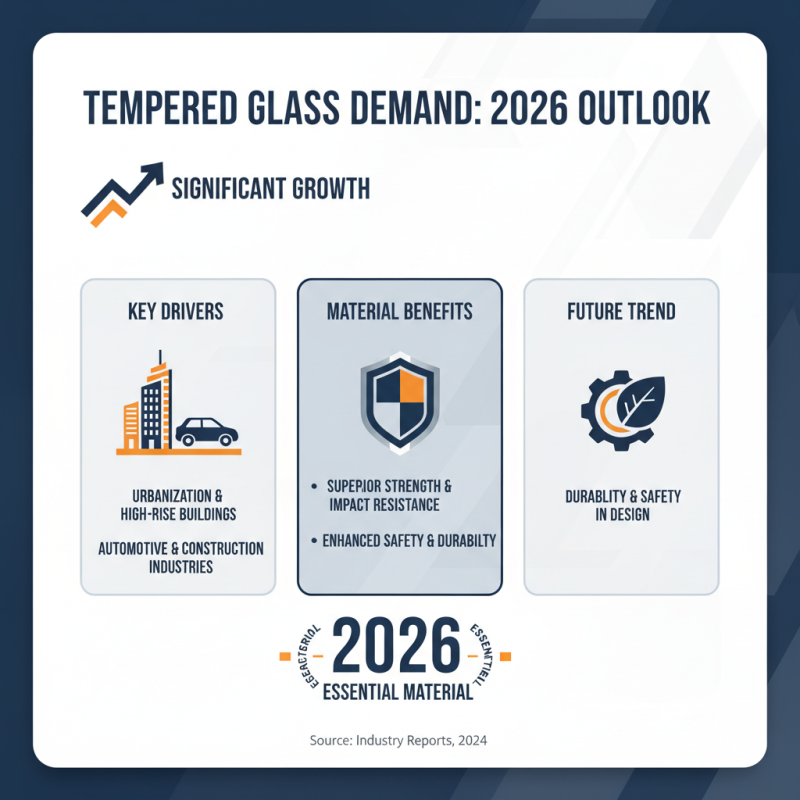
In 2026, the demand for tempered glass is poised to grow significantly. Industries such as construction and automotive are adopting this safe material rapidly. This increase reflects a broader trend towards durability and safety in design. As urbanization progresses, tempered glass will become essential in high-rise buildings. Its strength can withstand high impacts, making it ideal for city environments.
Market research indicates that tempered glass will be pivotal in energy-efficient buildings. As consumers seek eco-friendly products, manufacturers will respond. Innovative technologies will enhance its production. However, supply chain challenges may arise. Companies must adapt to maintain quality.
**Tips:** Choose tempered glass for your home. It offers safety and energy savings. Ensure you source it from reputable manufacturers. That’s key to ensuring quality standards are met. Remember, not all glass is made equal. Regular inspections could save you from costly replacements down the road.


 Phone
Phone Send Email
 whatsapp
 Facebook