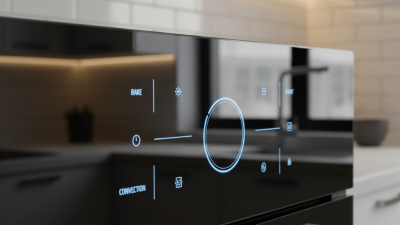
What is Tempered Glass for Stove and Why is it Important?
Tempered glass for stoves is essential in modern kitchens. It combines durability and safety, making cooking more efficient. Renowned glass expert Dr. Emily Carter states, "Tempered glass is crucial for both safety and design in kitchen environments." Her insight echoes the importance of using resilient materials in high-heat scenarios.
This type of glass is heat-resistant and less likely to shatter than regular glass. When cooking, it protects both users and the stove from potential accidents. However, its protective qualities can sometimes lead to overconfidence. Users might neglect to follow proper care guidelines, assuming tempered glass is indestructible.
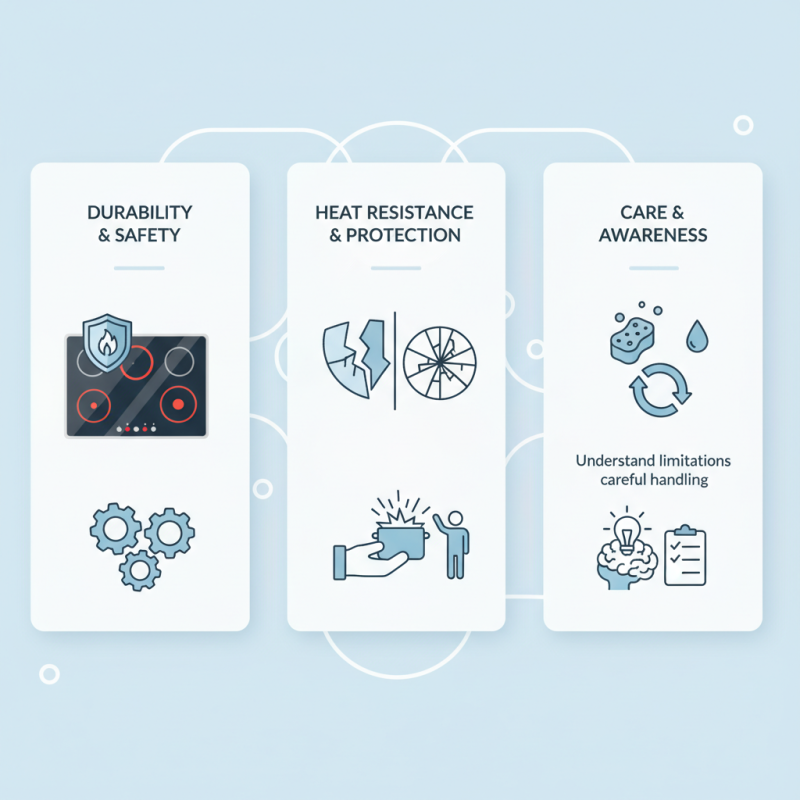
While tempered glass for stoves is a game-changer, awareness about its limitations is crucial. Regular maintenance and careful handling are necessary to maximize safety. This approach can prevent accidents, allowing people to enjoy cooking without worry. Addressing these details can enhance the kitchen experience significantly.
Definition of Tempered Glass and Its Production Process
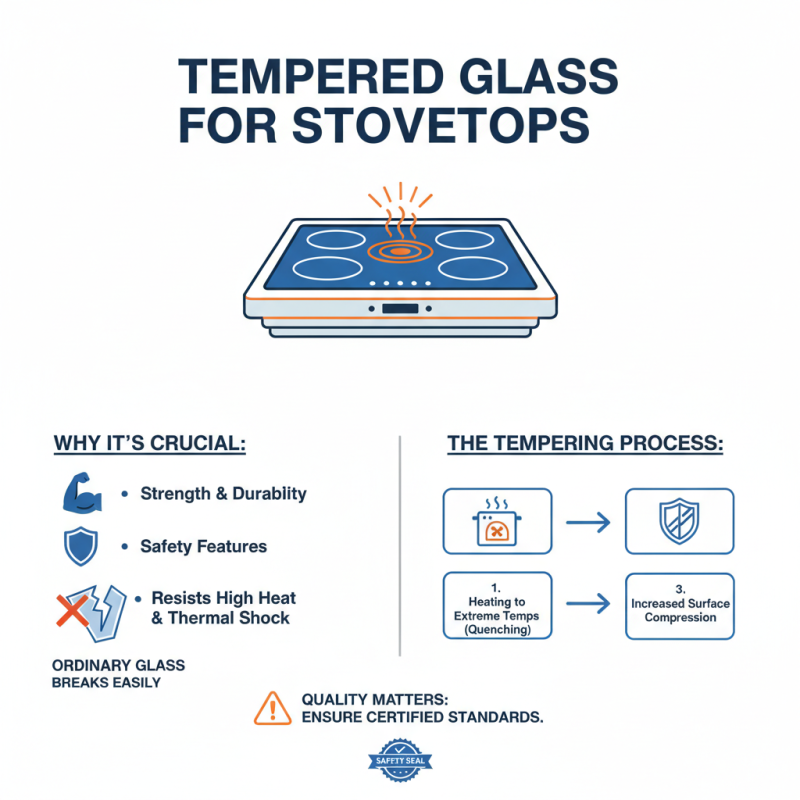
Tempered glass is a critical material in stove design. It undergoes a process of heating and rapid cooling, making it much stronger than regular glass. The production involves heating the glass to about 620 degrees Celsius, followed by a swift cooling phase. This process creates internal compressive stresses, enhancing its durability.
According to industry reports, tempered glass can be up to five times stronger than standard glass. However, it is important for manufacturers to maintain precise temperature controls during production. Any deviation can lead to flaws, compromising the glass's strength. This is a complex challenge, as even small imperfections can affect safety and performance.
In addition to strength, tempered glass provides thermal resistance. It can withstand temperature fluctuations up to 150 degrees Celsius. This property is vital when stoves heat rapidly. Some reports suggest that incidents related to glass breakage can be traced back to inadequate quality controls. Addressing these issues in production could significantly enhance safety standards in the industry.
Key Characteristics of Tempered Glass for Stoves
Tempered glass for stoves is designed to withstand extreme heat and pressure. This type of glass undergoes a special treatment process, making it tougher than regular glass. It can resist scratches, impacts, and thermal shock. Many stoves use tempered glass for their cooktops and doors.
One essential characteristic of tempered glass is its ability to break into small, blunt pieces. This reduces the risk of injury compared to standard glass, which can shatter into sharp shards. This quality is particularly important in kitchen environments. A glass panel that can handle spills and heavy usage can provide peace of mind for many home cooks.
Another vital aspect is thermal resistance. Tempered glass can typically endure temperatures of up to 600 degrees Fahrenheit. This means it can handle the sudden changes that occur when cooking. Not all tempered glass is the same, though. Some might not be optimal for high-performance stoves or rapid heating elements. Understanding these differences can help users make informed choices.
Benefits of Using Tempered Glass in Kitchen Appliances
Tempered glass is becoming increasingly popular in kitchen appliances. It boasts immense strength and durability, making it ideal for stoves. According to a report by the Glass Association, tempered glass can withstand heat up to 470°F. This attribute makes it appealing for direct contact with hot surfaces.
Using tempered glass also enhances safety in the kitchen. In the event of breakage, it shatters into small, blunt pieces rather than sharp shards. This significantly reduces the risk of injury, especially in busy environments. Installation of tempered glass can be straightforward, yet it requires careful handling. If not properly installed, its benefits can be undermined.
Moreover, tempered glass offers aesthetic advantages. It provides a sleek, modern appearance. A survey from Kitchen Trends indicated that 75% of homeowners prefer glass front stoves for their visual appeal. However, not all tempered glass is created equal. Variations in manufacturing standards can affect quality, leading to potential risks. Homeowners should remain cautious and choose products wisely.
What is Tempered Glass for Stove and Why is it Important? - Benefits of Using Tempered Glass in Kitchen Appliances
| Dimension |
Value |
| Max Temperature Resistance |
400°C (752°F) |
| Thermal Shock Resistance |
High |
| Shatter Resistance |
High |
| Weight |
Varies by Size (e.g., 10 kg for 3mm thickness) |
| Safety Rating |
ASTM C1048 |
| Color Options |
Clear, Frosted, Tinted |
| Common Uses |
Stove Tops, Oven Doors, Kitchen Counters |
| Cost Range |
$30 - $100 per square meter |
Common Applications and Maintenance Tips for Tempered Glass
Tempered glass is widely used in stove tops due to its strength and heat resistance. This type of glass undergoes a special heating and cooling process. As a result, it can endure high temperatures and sudden changes. Stoves often experience rapid heating, making tempered glass an ideal choice for safety and durability.
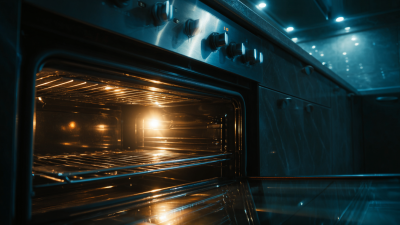
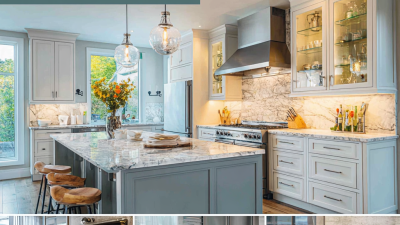
Common applications of tempered glass include cooktops, oven doors, and even kitchen backsplashes. In these areas, it combines aesthetic appeal with functionality. Cooktops made of tempered glass not only look sleek but also resist scratches and stains. Proper maintenance is key to prolonging the life of tempered glass surfaces. Regular cleaning with a soft cloth keeps stains at bay. Avoid abrasive cleaners that can cause scratches.
Sometimes, homeowners neglect the importance of maintenance. A small chip or crack can lead to bigger problems. Addressing these issues early on is crucial. It’s wise to inspect the glass regularly for any damage. Taking such precautions can help ensure safety and functionality in the kitchen.
Importance of Tempered Glass in Stoves


 Phone
Phone Send Email
 whatsapp
 Facebook