Essential Tips for Choosing Tempered Glass for Microwave Ovens
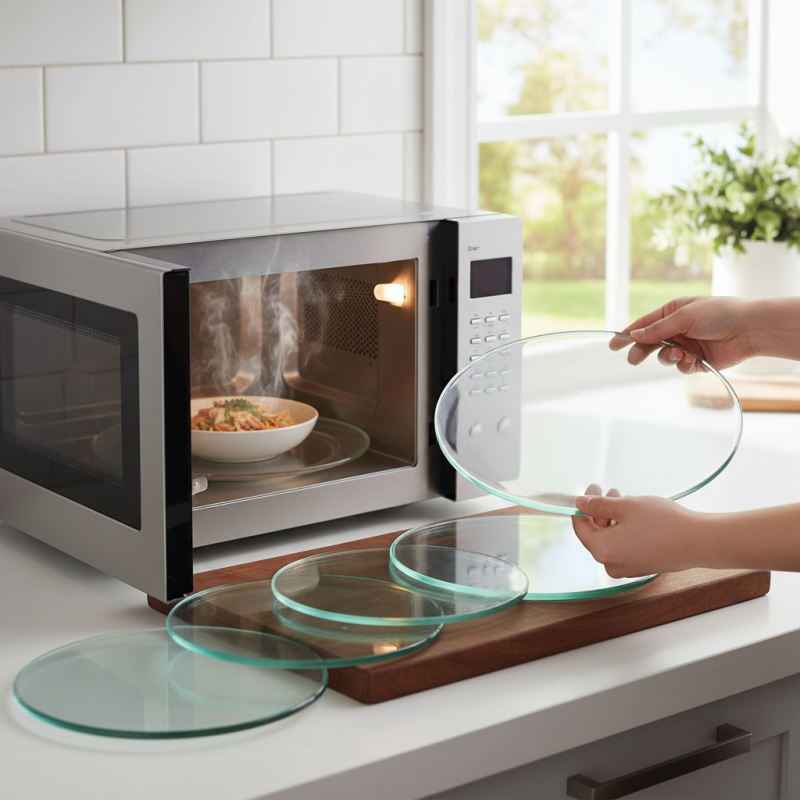
When it comes to selecting the right materials for kitchen appliances, choosing the appropriate glass for microwave ovens is crucial. Tempered Glass For Microwave Oven stands out as an excellent choice due to its strength and safety features. Unlike regular glass, tempered glass is heat-treated to withstand high temperatures, making it ideal for the dynamic environment of a microwave. It not only prevents breakage during cooking but also ensures that food can be heated evenly without the risk of shattering.
In addition to its durability, understanding the specific properties of tempered glass can enhance your cooking experience. This type of glass is designed to resist thermal stress and can withstand significant temperature fluctuations, which are common when using a microwave. When shopping for tempered glass products, it is vital to consider factors such as thickness, opacity, and compatibility with microwave use to ensure that you make the best choice for your culinary needs.
Ultimately, investing in quality tempered glass for your microwave oven can lead to improved performance and safety in the kitchen. By taking time to evaluate your options and understanding the essential features, you can enjoy a more efficient cooking experience while minimizing potential hazards.
Understanding the Benefits of Tempered Glass in Microwave Ovens
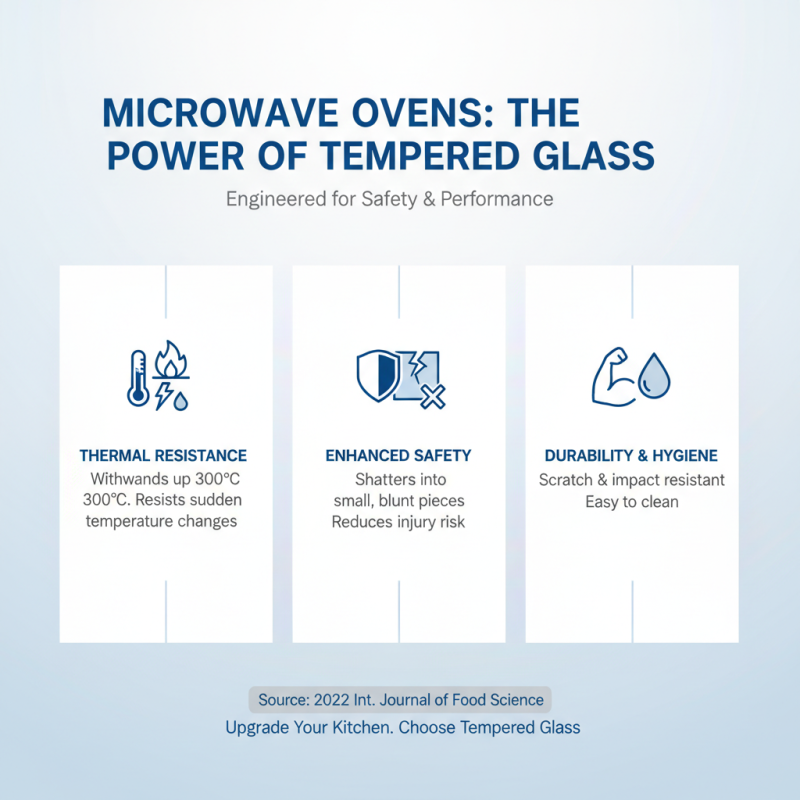
Tempered glass has become a popular choice for microwave ovens due to its unique properties and benefits. This specially processed glass is designed to withstand high temperatures and sudden changes in temperature, making it ideal for kitchen environments. According to a 2022 report by the International Journal of Food Science, tempered glass can endure thermal stress up to temperatures of 300°C, which is crucial for microwave applications where heating and cooling occur frequently.
One of the significant benefits of using tempered glass in microwave ovens is its safety. In the event of breakage, tempered glass shatters into small, blunt pieces, significantly reducing the risk of injury. A study by the Glass Research Institute indicated that tempered glass is up to five times stronger than standard glass, and this strength is particularly beneficial in household settings where microwaves are frequently used. Additionally, tempered glass offers aesthetic advantages, allowing for a sleek and modern look that complements contemporary kitchen designs while providing visibility of the food being cooked.
Moreover, tempered glass is non-porous and does not absorb odors or flavors, making it an excellent choice for maintaining food quality. The World Health Organization highlights the importance of using safe materials in food preparation, and tempered glass meets these criteria by not releasing harmful chemicals even at high temperatures. As consumers become more health-conscious, the demand for safe and durable materials in kitchen appliances is steadily increasing, making tempered glass an essential consideration for microwave oven manufacturers and users alike.
Key Factors to Consider When Selecting Tempered Glass
When selecting tempered glass for microwave ovens, several key factors should be taken into account to ensure safety and durability. First and foremost, the thickness of the glass plays a critical role in its strength and resistance to thermal shock. Typically, thicker glass can withstand higher temperatures and sudden changes in heat, which is vital in a microwave environment where rapid heating and cooling occurs. A thickness of at least 4 mm is recommended for most microwave applications to provide a balance between safety and weight.
Another essential factor to consider is the glass's ability to endure microwave radiation. Not all tempered glass is created equal; thus, verifying that the glass is specifically rated for microwave use is crucial. This specification ensures that the glass will not break down or leach harmful chemicals during cooking. Additionally, transparency and clarity are important for visibility when monitoring food while it cooks. Choosing high-quality tempered glass that offers both clarity and strength will enhance the cooking experience while ensuring safety and efficiency in microwave use.
Safety Standards and Certifications for Microwave Tempered Glass
When choosing tempered glass for microwave ovens, it's crucial to consider safety standards and certifications to ensure the material can withstand the rigors of heating without breaking or releasing harmful substances. Look for glass that complies with ASTM (American Society for Testing and Materials) standards, as this organization sets benchmarks for durability and performance. Additionally, certifications from relevant regulatory bodies, such as UL (Underwriters Laboratories) or CE (Conformité Européene), can guarantee that the tempered glass has undergone rigorous testing for heat resistance and safety.
To make a sound selection, consider these tips: First, ensure that the tempered glass is designed specifically for microwave use. Standard glass may not have the same heat tolerance or resistance against thermal shock as tempered varieties. Second, check the thickness of the glass; thicker options tend to provide better durability and less likelihood of cracking. Lastly, evaluate the manufacturer's reputation and their commitment to safety practices in the production of their tempered glass products.
Choosing the right tempered glass isn’t just about aesthetics; it’s an essential step in ensuring safety when using your microwave. By focusing on industry standards and certifications, you can minimize risks and enjoy the benefits of high-quality tempered glass in your kitchen.
Comparing Tempered Glass with Other Materials for Microwaves
When choosing tempered glass for microwave ovens, it’s crucial to understand how it compares to other materials such as ceramic, plastic, and regular glass. Tempered glass is made through a process of extreme heating and rapid cooling, which strengthens it and enhances its resistance to thermal shock. This makes it an excellent choice for a microwave environment where fluctuations in temperature are common. Unlike regular glass, which can shatter easily under heat, tempered glass is designed to withstand higher temperatures and is much safer for cooking.
In contrast, ceramic can be more aesthetically pleasing but may not provide the same level of resistance to thermal shock as tempered glass. Plastic containers, while lightweight and convenient, often cannot endure the high temperatures associated with microwave use, which can lead to warping or melting. Additionally, many plastics can leach harmful chemicals into food when heated. Thus, when prioritizing safety and durability, tempered glass emerges as a superior option for microwave applications.
**Tips for Choosing Tempered Glass for Microwaves:**
1. Ensure the tempered glass is labeled microwave-safe, as not all glass can withstand high temperatures without risk.
2. Look for features such as a flat edge or a design that avoids sharp corners to prevent accidental breakage.
3. Consider the thickness of the glass; thicker glass is generally more durable and better suited for heavy microwave use.
Essential Tips for Choosing Tempered Glass for Microwave Ovens - Comparing Tempered Glass with Other Materials for Microwaves
| Material |
Heat Resistance |
Durability |
Safety |
Cost |
| Tempered Glass |
Up to 400°F |
High |
Very Safe |
Moderate |
| Regular Glass |
Up to 212°F |
Low |
Moderate |
Low |
| Ceramic |
Up to 600°F |
Moderate |
High |
High |
| Plastic |
Up to 250°F |
Low |
Low |
Low |
Maintenance Tips for Prolonging the Lifespan of Tempered Glass
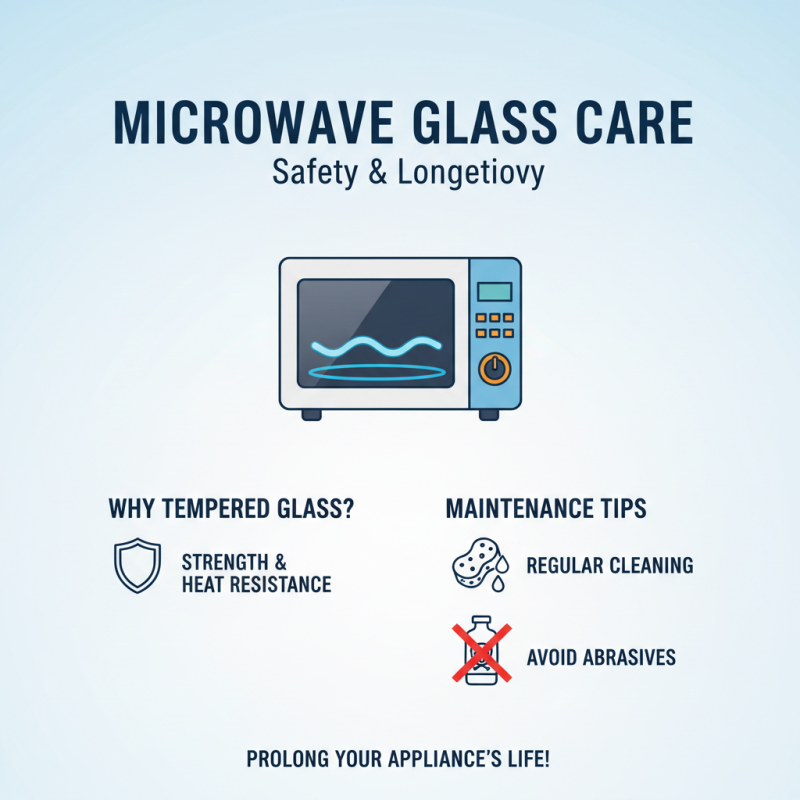
Maintaining tempered glass in microwave ovens is crucial for ensuring safety and longevity. According to the American Association of Glass Manufacturers, tempered glass is processed to withstand greater stress and temperature changes than standard glass, making it a preferred choice in kitchen appliances. However, without proper maintenance, even tempered glass can suffer damage that compromises its integrity. To prolong its lifespan, regular cleaning is essential. Use a soft cloth with mild detergent to wipe the surface, avoiding abrasive cleaners that could scratch or weaken the glass.
Another important aspect of maintenance is to avoid sudden temperature changes, which can lead to thermal shock. Research from the Glass Research Institute indicates that maintaining a consistent temperature range when using vessels made of tempered glass can drastically reduce breakage risks, increasing usability by up to 30%. Additionally, inspecting the glass for chips or cracks before each use is vital. Signs of wear may indicate that the glass is no longer able to safely withstand high microwave temperatures, and replacing it promptly can prevent accidents. Following these guidelines can ensure that tempered glass not only provides the durability it is known for but also maintains its performance in the kitchen for years to come.


 Phone
Phone Send Email
 whatsapp
 Facebook