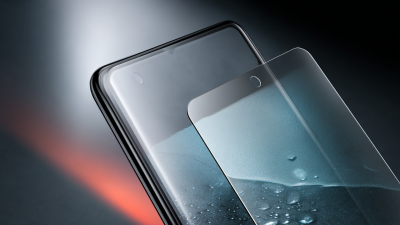
Top Anti Fingerprint Glass Solutions for Global Buyers?
In today's fast-paced world, maintaining the pristine look of glass surfaces is essential. This need has given rise to innovative solutions, particularly in Anti Fingerprint Glass technology. These advancements serve global buyers who demand high-quality products. Anti Fingerprint Glass provides a barrier against smudges, fingerprints, and dirt. Its importance extends to various industries, including electronics, automotive, and architecture.
However, not all Anti Fingerprint Glass options are created equal. Buyers face challenges in identifying reliable suppliers and products. Some solutions may not perform as advertised, leading to dissatisfaction. Therefore, understanding product quality and specifications is vital.
Consumers should reflect on their specific needs before choosing. Are aesthetic appeal and durability priorities? Each selection should align with personal or business values. The quest for the perfect Anti Fingerprint Glass requires careful consideration and research. A discerning approach can significantly enhance user experience and satisfaction.
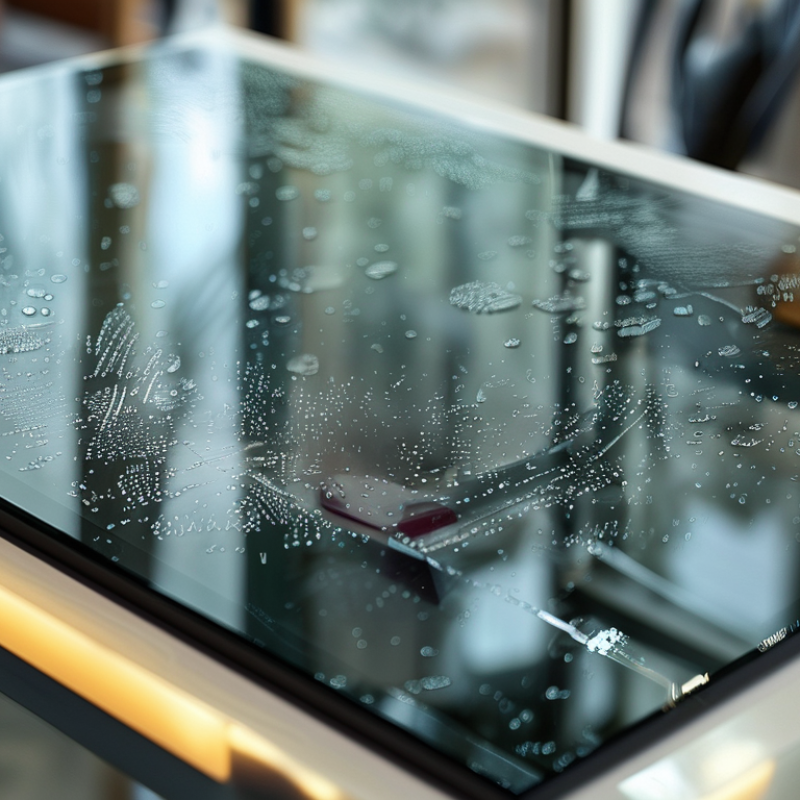
Types of Anti-Fingerprint Glass Technologies Available Today
Anti-fingerprint glass has gained attention among global buyers due to its unique protective features. The technology primarily focuses on reducing smudges and fingerprints that compromise the aesthetics of surfaces like smartphones, tablets, or digital displays. Various solutions are available today, each with distinct applications and characteristics.
Among the prevalent types, hydrophobic coatings repel water, creating a slippery surface where oil and dirt struggle to adhere. According to recent industry research, these coatings can reduce visible smudging by up to 80%. Another notable technology is oleophobic coatings, which effectively repel oils from the skin. These coatings are increasingly popular in consumer electronics, as they significantly enhance user experience by maintaining clarity and reducing cleaning efforts.
Additionally, some manufacturers employ nanotechnology, where microscopic structures are engineered on the glass surface. This approach provides a long-lasting solution but often comes with a higher production cost. Industry data suggests that while these advanced technologies are effective, their durability can vary. Some coatings may degrade over time, leading to the need for replacements. Buyers should consider maintenance and longevity while evaluating these solutions.
Key Benefits of Using Anti-Fingerprint Glass in Consumer Products
The use of anti-fingerprint glass in consumer products has surged in popularity. This material significantly reduces visible smudges and fingerprints, enhancing both functionality and aesthetics. According to industry reports, products featuring anti-fingerprint coatings can experience up to 30% longer lifespan due to reduced wear and tear. This increased durability can lead to higher consumer satisfaction and lower replacement costs.
Another key benefit is hygiene. Anti-fingerprint glass is easier to clean and maintains a sterile appearance. In environments like kitchens and healthcare facilities, this feature is critical. Data shows a 25% decrease in surface bacteria on anti-fingerprint treated items, making them an excellent choice for health-conscious consumers.
Tip: Look for products with advanced coatings that offer scratch resistance. This adds longevity in addition to the anti-fingerprint benefits. Furthermore, some coatings require minimal chemical cleaning agents, which is beneficial for the environment.
Consider the potential trade-offs. While anti-fingerprint solutions enhance usability, they can vary in quality. Not all coatings are created equal, so researching the longevity and efficacy is essential. Evaluating customer reviews helps ensure quality and satisfaction.
Top Global Manufacturers of Anti-Fingerprint Glass Solutions
The demand for anti-fingerprint glass solutions continues to rise globally. Numerous manufacturers are stepping up, focusing on innovative technologies. According to a recent market analysis by Research and Markets, the anti-fingerprint glass market is expected to grow at a CAGR of 7.8% over the next five years. This trend reflects the increasing consumer preference for clean and smudge-free surfaces.
Leading manufacturers are implementing advanced coatings that resist fingerprints and smudges. These coatings improve durability and enhance the overall consumer experience. A study published by MarketsandMarkets highlighted that products incorporating these technologies see a 30% increase in customer satisfaction compared to standard glass. They not only meet the aesthetic needs but improve practicality, especially in smartphones and touch devices.
However, challenges still persist. The performance of these coatings can vary depending on environmental conditions. Some coatings may lose effectiveness over time, particularly in high humidity. Industry experts emphasize the need for continued research and development to address these issues. It is vital for manufacturers to focus on durability alongside ease of cleaning, ensuring long-term effectiveness in actual use cases.
Market Trends and Innovations in Anti-Fingerprint Glass Technologies
The anti-fingerprint glass market is evolving rapidly. Innovations in surface coating technology are at the forefront. Recent developments include hydrophobic and oleophobic coatings, which repel water and oil. These advancements help maintain the clarity of screens and surfaces, reducing the need for frequent cleaning.
Manufacturers are exploring nanotechnology to enhance the durability of anti-fingerprint coatings. Such advancements are not just about aesthetics; they improve the lifespan of glass products. However, challenges remain. Not all coatings achieve the desired resistance to scratches or wear over time. There are ongoing debates about the environmental impact of some chemical processes used in production.
The pursuit of fingerprint-resistant surfaces is driven by consumer demand. People want cleaner devices and surfaces in everyday life. Yet, the perfect solution is still a work in progress. Users may find some coatings less effective after prolonged usage, which raises questions about their efficiency. This dynamic field offers plenty of opportunities, but it also requires continuous improvement and innovation.
Factors to Consider When Purchasing Anti-Fingerprint Glass Products
When considering the purchase of anti-fingerprint glass products, buyers must evaluate several key factors. First, understand the coating technology used. This directly impacts the effectiveness of the anti-fingerprint feature. Some coatings are more durable than others. They may resist wear over time. Buyers should seek details on the longevity of these coatings in various environments.
Another important aspect is clarity and transparency. The quality of the glass should not hinder the visual experience. Buyers should inquire about how the anti-fingerprint treatment affects the glass’s clarity. This is essential for applications like screens or displays. A product that enhances visibility while resisting fingerprints is ideal.
Lastly, consider customer reviews and experiences. These insights reveal real-world performance. They may indicate whether the product lives up to its promises. Potential issues, such as smudging or decreased sensitivity, can often surface in reviews. By reflecting on feedback, buyers can make informed decisions.


 Phone
Phone Send Email
 whatsapp
 Facebook