Top 10 Front Glass Options for Global Buyers in 2026?
As we move towards 2026, the demand for innovative Front Glass solutions is skyrocketing. This material has become a focal point in various industries, from automotive to electronics. With numerous options available, buyers face a maze of choices. Each type of Front Glass offers unique advantages, making it essential for businesses to stay informed.
The eco-friendly trends also shape consumer preferences. Sustainable options are gaining traction, providing companies with a competitive edge. However, not all products labeled as “green” are truly responsible. Buyers must perform due diligence to ensure authenticity. This requires professional insight and a thorough understanding of the market.
Technological advancements are redefining what Front Glass can achieve. From enhanced durability to improved aesthetics, manufacturers are pushing boundaries. Yet, as innovation accelerates, it is crucial to remain cautious. Overhyped features can lead to disappointing investments. Engaging with experts will help navigate this complex landscape effectively.

Emerging Trends in Front Glass Technologies for 2026
As we move toward 2026, front glass technologies are evolving rapidly. One significant trend is the shift towards sustainability. Many manufacturers are exploring eco-friendly glass materials that can reduce carbon footprints. This shift reflects growing global awareness around environmental issues, aiming to meet consumer demands for greener options.
Another emerging trend is the integration of smart technology into front glass designs. This includes features like self-tinting capabilities and embedded sensors. These innovations enhance user experience while contributing to energy efficiency. However, the challenge lies in ensuring these technologies remain affordable and accessible to a broader market.
Additionally, innovations in durability are becoming a focal point. Tougher glass formulations can resist scratches and impact better than standard options. Yet, testing and verifying these new products take time. Companies must ensure their improvements don’t compromise safety or quality. Balancing performance with user expectations remains a critical hurdle.
Top 10 Front Glass Options for Global Buyers in 2026
Key Materials and Their Durability in Front Glass Options
When considering front glass options in 2026, material choice significantly impacts durability. A recent industry report highlights that tempered glass remains popular due to its strength and resistance to high temperatures. However, advancements in laminated glass technology are gaining traction. This type of glass offers enhanced safety and protection against shattering.
Polycarbonate is another contender, known for its exceptional impact resistance and lightweight properties. Studies indicate that polycarbonate can endure impacts up to 200 times greater than standard glass. Despite this, it is essential to consider its susceptibility to scratches, which can impair visibility over time.
Tip: When selecting front glass, prioritize materials that align with your specific application's demands. Always evaluate the trade-off between durability and clarity.
New composite materials are emerging, combining the best attributes of existing options. These composites often provide improved thermal insulation and UV resistance. However, manufacturers must balance cost and performance, making it crucial for buyers to stay informed on recent advances.
Tip: Regularly consult industry reports for updated trends in front glass materials. This practice can reveal potential future innovations that may better suit your needs.
Market Demand Analysis for Front Glass among Global Buyers
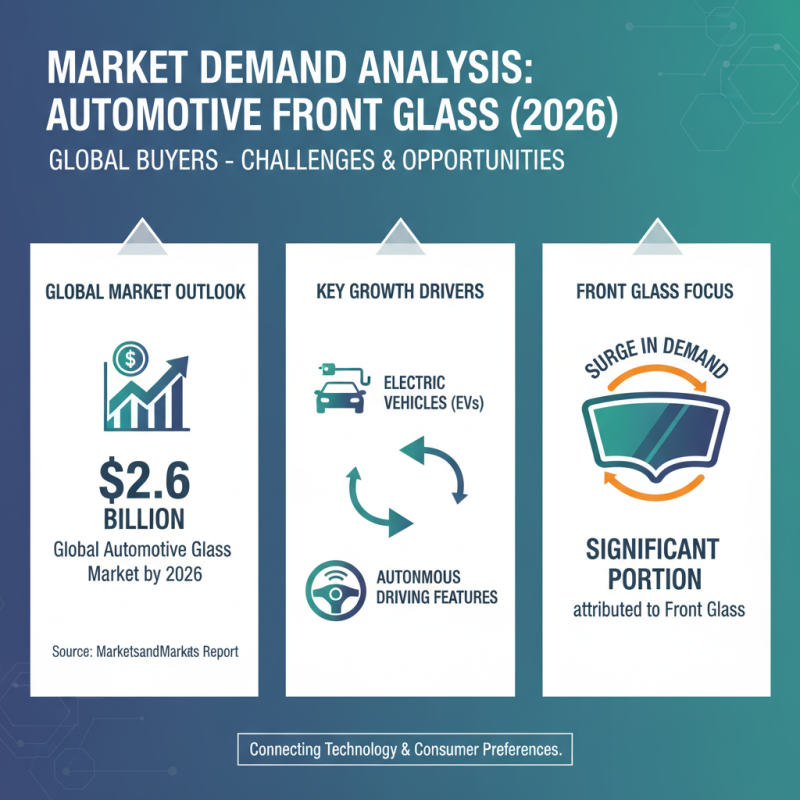
As the demand for front glass options continues to evolve, global buyers in 2026 will face unique challenges and opportunities. According to a recent report by MarketsandMarkets, the global automotive glass market is projected to reach $32.6 billion by 2026, with a significant portion attributed to front glass. This surge in demand reflects broader trends in technology and consumer preferences, particularly the rise of electric vehicles and autonomous driving features.
A critical aspect of buyer decisions is the balance between cost and innovation. Advanced coatings and smart glass technologies are increasingly desirable. Yet, budget constraints often force buyers to compromise on quality. While high-performance glass offers enhanced visibility and durability, it can come at a premium price. This dilemma points to a need for robust market education, enabling buyers to understand the long-term benefits of investing in superior front glass.
Sustainability is also a growing concern. Reports from the Glass Packaging Institute highlight that recycled glass can significantly reduce manufacturing emissions. However, the industry grapples with the challenge of scalability in recycling processes. As the market demand shifts, companies must prioritize eco-friendly practices, leading to reliable sourcing and production methods. The path forward is complex, and continuous reassessment of material choices will be essential as global preferences shape this dynamic landscape.
Comparative Review of Top Front Glass Brands and Their Features
When exploring front glass options for global buyers in 2026, various brands offer distinct features. Some prioritize durability, using advanced materials that resist shattering and scratching. Others focus on clarity, providing superior transparency for enhanced visual experiences. This diversity helps buyers find the right fit based on specific needs and preferences.
One brand claims to have the best resistance to thermal shock, which is critical for outdoor conditions. Another emphasizes lightweight design for easier installation. However, frequent user feedback raises questions about actual performance. Some report inconsistencies in quality control, which can lead to unexpected issues. Purchasers should consider these nuances to make informed choices.
It's essential to evaluate how features align with real-world applications. Cost is a significant factor, influencing choices between premium and budget options. Understanding the balance between performance and price requires careful thought. Gathering more user reviews can shed light on the reliability of each option. Approaching the selection process with realistic expectations promotes better decision-making.
Top 10 Front Glass Options for Global Buyers in 2026
| Option |
Material Type |
Thickness (mm) |
Weight (kg) |
UV Protection (%) |
Scratch Resistance |
| Option 1 |
Tempered Glass |
6 |
1.5 |
99 |
High |
| Option 2 |
Laminated Glass |
8 |
2.0 |
95 |
Medium |
| Option 3 |
Soda-Lime Glass |
5 |
1.2 |
90 |
Low |
| Option 4 |
Borofloat Glass |
4 |
0.9 |
97 |
High |
| Option 5 |
Ceramic Glass |
10 |
2.5 |
100 |
Very High |
| Option 6 |
Fused Silica |
7 |
1.7 |
92 |
High |
| Option 7 |
Dichroic Glass |
9 |
2.2 |
85 |
Medium |
| Option 8 |
Anti-Reflective Glass |
6 |
1.4 |
97 |
High |
| Option 9 |
Mixed Material Glass |
5 |
1.1 |
90 |
Low |
| Option 10 |
UV Coating Glass |
6 |
1.3 |
99 |
High |
Future Innovations in Front Glass Design and Functionality
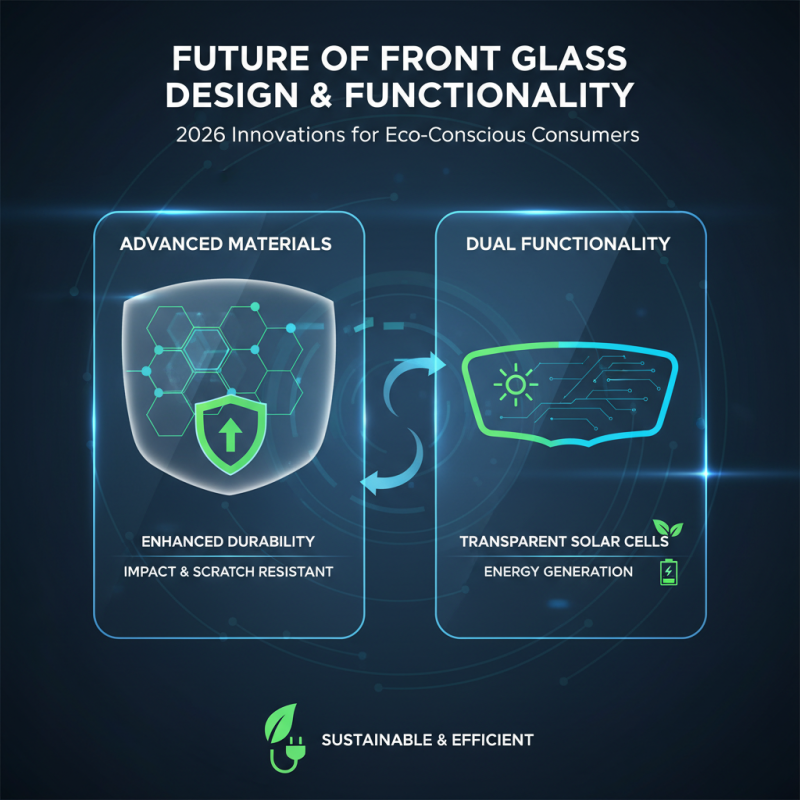
The future of front glass design is shaping up to be innovative and functional. In 2026, buyers will see advanced materials that enhance durability. Transparent solar cells could integrate into glass surfaces, generating energy while remaining aesthetically pleasing. This dual functionality offers a promising solution for eco-conscious consumers.
Beyond energy generation, smart glass technology is set to revolutionize everyday life. Imagine front glass that can adjust its tint based on sunlight or temperature. This feature would greatly improve energy efficiency in buildings and vehicles. It's an interesting concept, yet still in development. Reliability remains a question; can it withstand extreme conditions?
Sustainability will also dictate innovations in front glass design. Manufacturers might explore bio-based materials, reducing reliance on conventional glass production. Such materials should lessen environmental impact, but questions linger on performance. Will they hold up over time? The journey to a more sustainable future in glass design is complex, but the potential benefits are significant.


 Phone
Phone Send Email
 whatsapp
 Facebook