2026 Top Front Glass Products for Global Buyers?
The global market for "Front Glass" products is rapidly evolving. In 2026, buyers seek innovative, high-quality options. This article explores significant trends and advancements. Consumers desire products that offer both functionality and style.
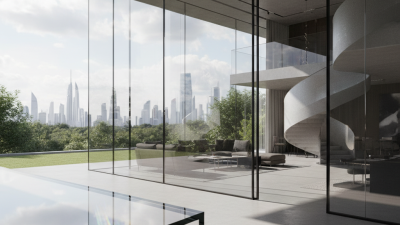
Front Glass has become essential in various applications. From architecture to automotive, its role is crucial. Buyers look for durability, clarity, and safety features. Manufacturers are responding to these demands with advanced technologies, enhancing product performance.
While many products shine, challenges remain. Inconsistent quality can lead to buyer dissatisfaction. Furthermore, environmental concerns regarding production processes are increasingly important. Awareness of these issues is vital for informed purchasing decisions. As we navigate this market, reflections on both successes and pitfalls will guide future choices.
Overview of Front Glass Product Trends for 2026
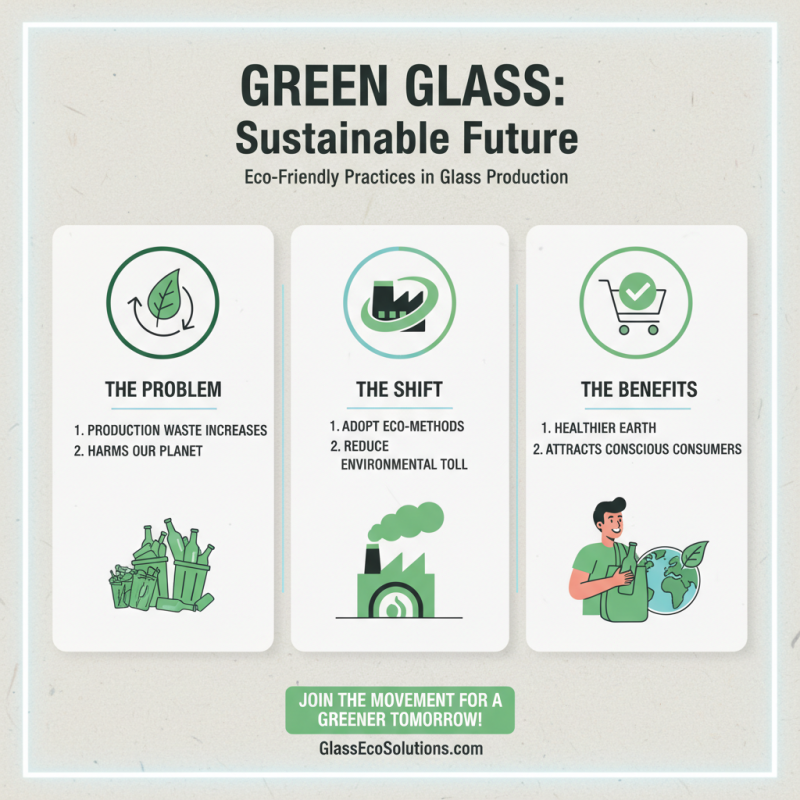
Front glass products are evolving in 2026. This year highlights innovations focused on sustainability and durability. Manufacturers emphasize eco-friendly materials and energy-efficient production processes. These trends reflect a growing consumer demand for responsible practices. Companies are prioritizing quality over quantity, aiming to reduce waste in production.
Tips for buyers: Always check for certifications that indicate sustainable production. Look for products that offer high durability while being lightweight. This combination can enhance performance and longevity.
Another key trend is customization. As designs become more unique, glass products need to adapt. Clients desire tailored solutions for specific applications, whether in architecture or automotive industries. Engaging with manufacturers who offer flexibility can lead to better outcomes.
Beneath the surface, challenges persist. Not every factory meets the high standards consumers expect. It's crucial to research and verify suppliers. Failing to do so can result in subpar products that compromise quality and safety. Always ask questions and seek transparency in sourcing and manufacturing.
2026 Top Front Glass Products Overview
This chart represents the projected sales volume of various front glass products in 2026. The data reflects demand trends based on market analysis and forecasts for several key categories.
Key Features and Innovations in Front Glass Products
The front glass products of 2026 exhibit remarkable features that cater to global demands. Key innovations center on durability, clarity, and functionality. Enhanced scratch resistance is now a staple, thanks to advancements in materials. This means consumers can expect longer-lasting surfaces that withstand daily wear.
Another significant trend is the integration of smart technology. Many front glass products now include built-in displays or touchscreen capabilities. This innovation enhances user interaction, making products more versatile. Moreover, energy-efficient options are on the rise. Various types of glass can now regulate temperature and light, contributing to sustainability.
Despite these advancements, challenges remain. Some glass products may struggle with weight, impacting installation ease. Additionally, while smart features are popular, they can become outdated quickly. This requires users to keep upgrading, posing questions about long-term value. Front glass innovation continues to evolve, yet it’s essential to weigh the benefits against potential drawbacks.
2026 Top Front Glass Products for Global Buyers - Key Features and Innovations in Front Glass Products
| Product Type |
Key Features |
Innovations |
Applications |
| Tempered Glass |
High durability, thermal resistance |
Self-cleaning coating technology |
Architectural, automotive |
| Laminated Glass |
Enhanced safety, sound insulation |
Smart glass technology integration |
Commercial buildings, homes |
| Low-E Glass |
Energy-efficient, UV resistant |
Nano-coating for energy efficiency |
Residential, commercial applications |
| Double Glazing |
Improved insulation, reduced noise |
Vacuum-sealed technology |
Windows, facades |
| Smart Glass |
Adjustable transparency, energy-efficient |
Electrochromic technology |
Automated buildings, luxury cars |
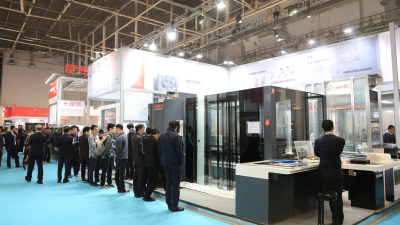
Top Manufacturers and Brands in the Global Front Glass Market
The global front glass market is witnessing significant growth. Key manufacturers are innovating to meet diverse needs. Recent market analysis estimates the front glass segment is expanding at a
compound annual growth rate (CAGR) of 6.5%. This growth is driven by rising demand in the automotive and architectural sectors.
Manufacturers are focusing on high-quality production methods. Advanced manufacturing technology enhances durability and aesthetics. The trend towards smart glass solutions is noteworthy. Smart glass can change properties based on environmental conditions. This feature attracts both consumers and businesses alike.
Tips: Consider the environmental impact of your choices. Look for manufacturers that prioritize sustainability in their sourcing. Always compare various options before purchasing to ensure you’re choosing the best product for your needs. Engaging with local suppliers might offer better insights and support.
Market Analysis: Consumer Preferences and Buying Patterns for Glass Products
As we approach 2026, consumer preferences in the glass product market are evolving. Many buyers prioritize aesthetics alongside functionality. They prefer glass products that enhance the ambiance of their spaces. Transparency, texture, and color play vital roles in their selection process. Consumers are increasingly drawn to sustainable options, reflecting a broader trend toward eco-conscious living.
Market analysis shows a varied consumer base. Younger buyers often seek innovative designs and versatility. They appreciate lightweight glass for its ease of use. In contrast, older generations might prefer traditional styles that communicate reliability. Buying patterns suggest a preference for online shopping. Shoppers favor platforms that provide detailed product descriptions and reviews.
However, challenges remain. Some consumers still hold doubts about the durability of glass products. There is a lack of awareness regarding maintenance and care. This can hinder purchase decisions. Companies must address these concerns through informative marketing strategies. Ensuring customers feel confident in their choices is crucial for future growth in this sector.


 Phone
Phone Send Email
 whatsapp
 Facebook