2026 Top Trends in Cover Glass For Touch Panel Innovations
The landscape of touch panel technology is evolving rapidly. Innovations in cover glass for touch panels play a crucial role in this transformation. These advancements enhance user experience and improve device durability. Consumers today expect high-quality displays that are both responsive and resilient. The demand for sleek designs and enhanced functionality drives trends in material science and manufacturing.
Cover glass for touch panels must balance aesthetics with practicality. Manufacturers continuously explore new materials and coatings. These innovations often require extensive testing to ensure reliability and performance. However, not all advancements meet market expectations or user needs. Some technologies may fall short, failing to provide the promised benefits.
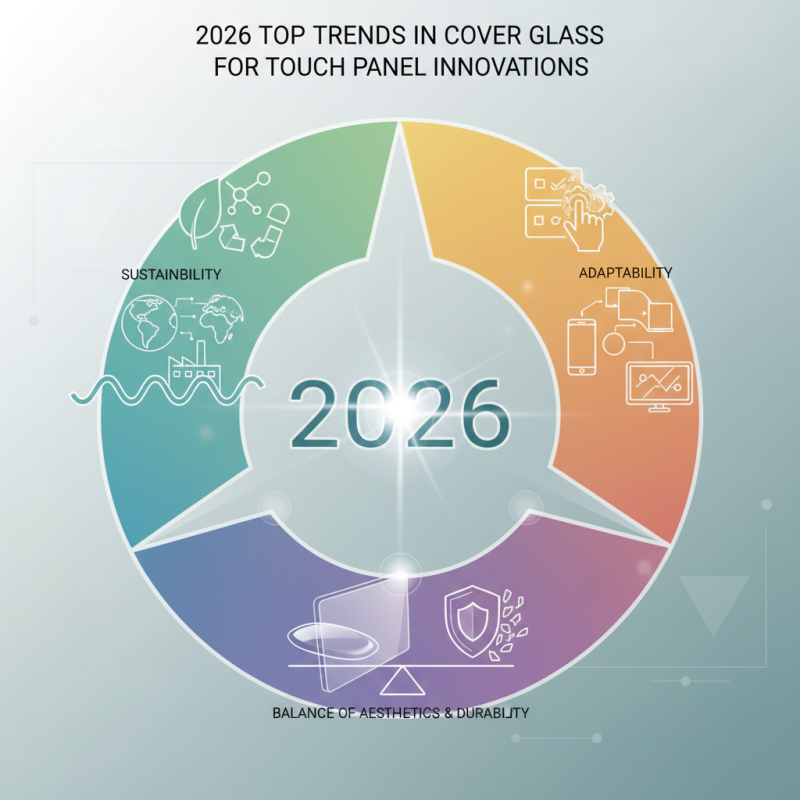
As we look ahead to 2026, the trends in cover glass for touch panels will likely focus on sustainability and adaptability. Companies face pressure to adopt eco-friendly materials. They also need to create solutions that can accommodate diverse applications. The challenge lies in aligning innovation with consumer expectations while maintaining product integrity. This balance is essential as the industry moves forward.
Emerging Materials for Touch Panel Cover Glass in 2026
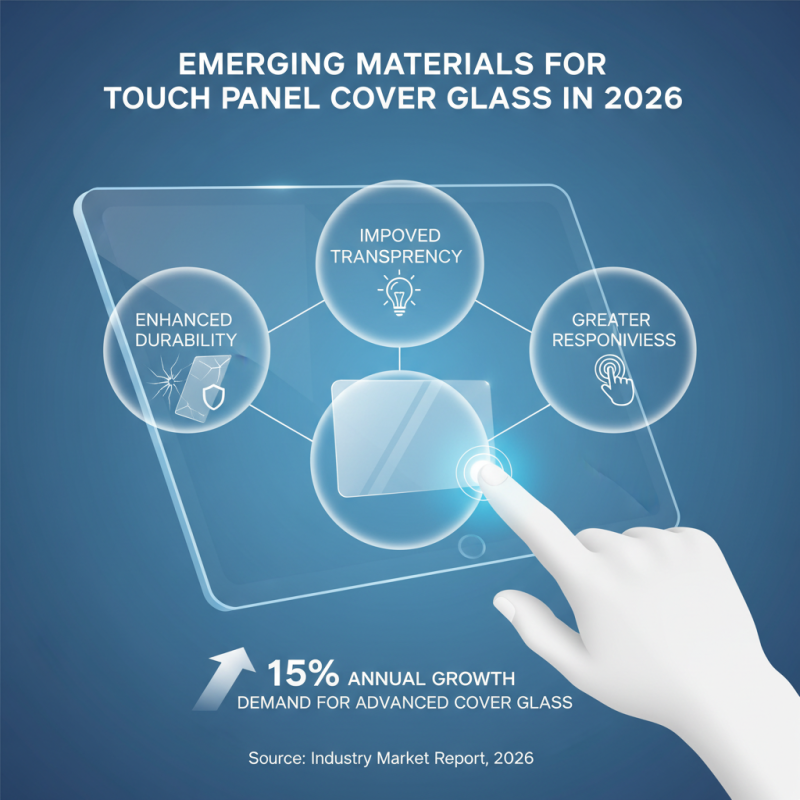
As we approach 2026, the touch panel market is poised for significant innovation, particularly in cover glass materials. Emerging materials aim to enhance durability, transparency, and responsiveness in devices. A recent market report from industry experts indicates that the demand for advanced cover glass is expected to grow by 15% annually. This rise is largely driven by the increasing integration of touch panels in everyday devices.
New materials like aluminosilicate glass and Gorilla Glass are gaining traction. These materials not only offer superior scratch resistance but also improved optical clarity. Research highlights that devices using these innovative materials can achieve up to 90% light transmittance, significantly enhancing user experience. However, despite this progress, some challenges remain. Cost and production scalability are concerns that require further exploration.
Another area of interest is flexible cover glass. As manufacturers lean towards foldable devices, the need for flexible and durable materials becomes critical. Reports suggest that the flexible glass market could grow by over 25% in the next few years. However, achieving the balance between flexibility and durability remains an ongoing challenge. This evolution in materials signifies a shift that could redefine how we interact with technology.
Advancements in Scratch Resistance and Durability of Cover Glass
In 2026, the field of cover glass for touch panels is seeing exciting advancements, particularly in scratch resistance and durability. Modern consumers demand devices that withstand daily wear and tear. Thus, manufacturers are exploring innovative materials and coatings to enhance resilience. Scratch-resistant surfaces are becoming standard, crucial for maintaining device appearance and functionality.
One challenge remains: balancing toughness with weight. While stronger materials are available, they can sometimes add bulk. Engineers are working to create thinner, lighter options without compromising durability. Additionally, there is a constant need for improvement in manufacturing processes. Even slight imperfections in the production line can lead to weaknesses in the final product.
Environmental factors also complicate the pursuit of durability. Glass must not only resist scratches but also withstand temperature fluctuations and impact. As the demand for more robust solutions grows, ongoing research is vital. The journey towards achieving optimal scratch resistance and long-lasting performance is complex, requiring continuous evaluation and innovation.
2026 Top Trends in Cover Glass For Touch Panel Innovations
This chart represents the advancements in scratch resistance and durability of cover glass for touch panels. The data illustrates the percentage improvement in these key attributes over the years leading to 2026.
Innovations in Lightweight and Thin Cover Glass Solutions
The demand for lightweight and thin cover glass solutions is transforming the touch panel industry. Recent data indicates that the global market for cover glass is expected to grow at a CAGR of around 7% by 2026. This growth is driven by advancements in materials and design, providing manufacturers with innovative options that enhance user experience.
Thin cover glass significantly reduces the weight of devices, improving portability without sacrificing durability. Innovations such as aluminosilicate glass, which boasts better strength-to-weight ratios, are gaining traction. Industry reports show that devices with lighter glass are favored by consumers for their ease of use and sleek design.
Tips: When choosing cover glass, consider both weight and strength. Finding the right balance can elevate product appeal.
Moreover, the shift toward thinner glass impacts production. The need for precise manufacturing processes has increased. Challenges like fragility may arise, leading to a need for better handling during production. Not all innovations yield perfect solutions. It’s essential for manufacturers to address these issues proactively.
Tips: Regular audits of production processes can help mitigate risks. Engaging with materials experts can provide insights into maximizing quality.
2026 Top Trends in Cover Glass For Touch Panel Innovations
| Trend |
Description |
Impact |
Market Growth (%) |
| Lightweight Materials |
Development of lighter cover glass materials to reduce overall device weight. |
Enhances portability and user experience. |
15% |
| Ultra-Thin Glass |
Introduction of ultra-thin glass options for sleeker designs. |
Fosters new design possibilities for devices. |
20% |
| Antireflective Coatings |
Increased adoption of anti-reflective coatings on touch panels. |
Improves visibility in bright conditions. |
10% |
| Improved Scratch Resistance |
Advancements in scratch-resistant technologies. |
Enhances durability and product lifespan. |
12% |
| Sustainable Glass Solutions |
Development of eco-friendly and recyclable glass materials. |
Appeals to environmentally conscious consumers. |
18% |
Trends in Anti-Reflective and Anti-Fingerprint Coatings
The demand for touch panels continues to rise, emphasizing the importance of effective coatings. Anti-reflective coatings are gaining significant attention. They enhance visibility by reducing glare, which is crucial in bright environments. Users can enjoy clearer screens, leading to improved interaction experiences.
On the other hand, anti-fingerprint coatings are becoming essential. These coatings resist smudges and oils from fingers, maintaining the pristine look of screens. They also reduce the frequency of cleaning. However, the durability of these coatings remains a concern. Many options wear off over time, requiring replacements.
Emerging technologies are addressing these challenges. Innovations in material science could lead to more robust coatings. Yet, it is vital to balance performance with cost. A coating that excels in one area may falter in another. This complexity requires ongoing research and refinement to perfect touch panel experiences.
Impact of Sustainability on Cover Glass Production for Touch Panels
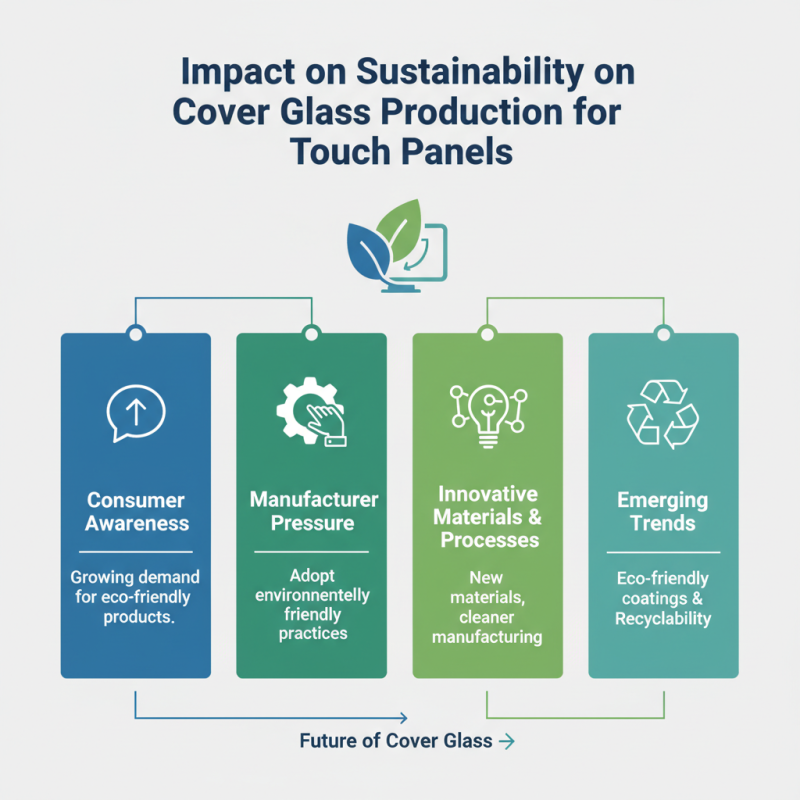
Sustainability is shaping the future of cover glass production for touch panels. As consumer awareness grows, manufacturers face pressure to adopt environmentally friendly practices. Innovative materials and processes now dominate the industry. Eco-friendly coatings and recyclability are emerging trends, driving change in how cover glass is produced.
Tips: Consider using materials that minimize environmental impact. Look for options that offer durability while remaining sustainable. It's essential to evaluate the entire lifecycle of the product.
Incorporating recycled materials into cover glass can significantly reduce waste. Some companies are exploring bio-based alternatives to traditional glass. Challenges remain, such as balancing quality and sustainability. Yet, innovations are pushing the boundaries. The quest for greener solutions is not easy, but it's crucial for future growth.
Tips: Research the origins of the materials you choose. Transparency in sourcing can enhance your credibility as a business. Emphasizing sustainability helps attract eco-conscious consumers.


 Phone
Phone Send Email
 whatsapp
 Facebook