How to Use Self Cleaning Glass for Maximum Efficiency?
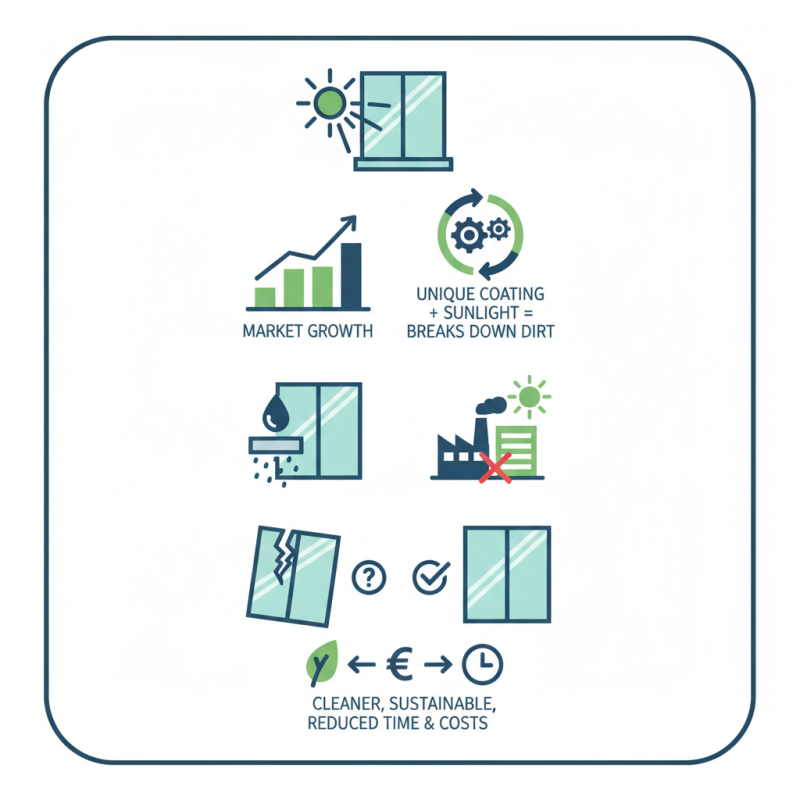
Self-Cleaning Glass has transformed modern architecture and maintenance. According to a report by MarketsandMarkets, the global self-cleaning glass market is expected to reach USD 4.7 billion by 2026. This rapid growth highlights the increasing demand for low-maintenance building materials.
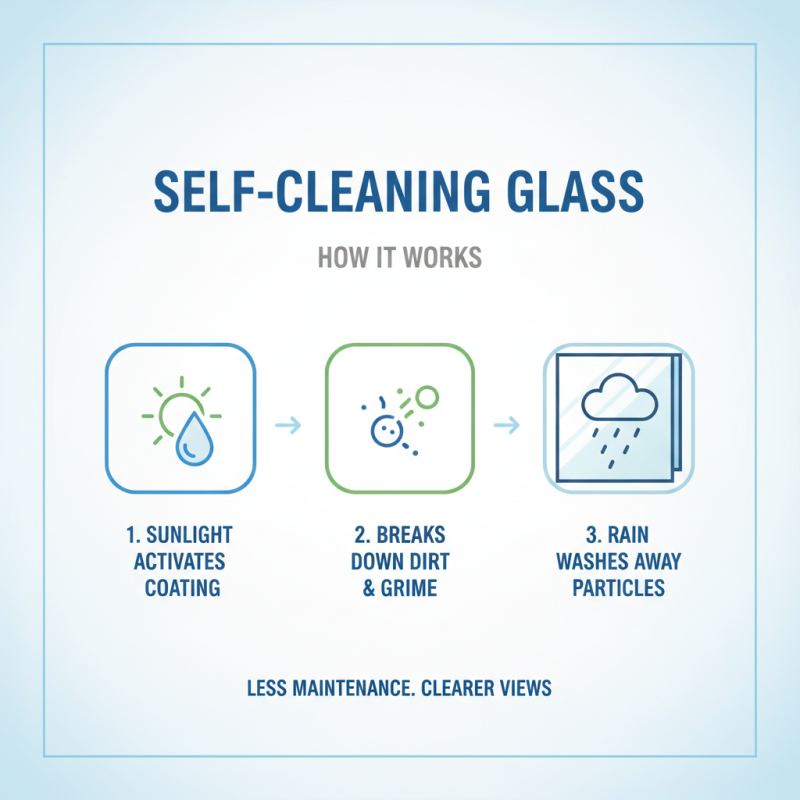
Self-Cleaning Glass utilizes a unique coating that reacts with sunlight. It breaks down organic dirt and allows rainwater to wash away debris. Despite its advantages, some users still find that understanding the best practices for maintenance is crucial. Not all products are created equal. Poor installation can lead to inefficiencies.
Moreover, environmental factors can affect its performance. Areas with high pollution may not benefit fully from this technology. It's essential to recognize these limitations and adjust expectations accordingly. Self-Cleaning Glass is not a perfect solution, but when used correctly, it can significantly reduce cleaning time and costs. Embracing this innovative material may lead to cleaner and more sustainable buildings.
Understanding Self-Cleaning Glass and Its Technology
Self-cleaning glass utilizes advanced technology to minimize maintenance. It often incorporates a special coating that reacts with sunlight. This process helps break down dirt, dust, and grime. Rain then washes away the loosened particles. This feature offers convenience and efficiency, making it popular in homes and buildings.
Tips: Regularly check the glass for heavy stains. If dirt accumulates, manual cleaning may be necessary. Periodic inspections ensure your glass remains effective.
Understanding the technology behind self-cleaning glass is vital. Coatings can vary in effectiveness based on environmental conditions. Not all self-cleaning glass performs equally. Locations with heavy rainfall may experience better results. However, areas with low sunlight can face challenges.
Tips: Keep windows exposed to the sun for maximum efficiency. Also, avoid placing large objects that block light. This will support the coating in performing well. Embracing the technology means understanding its limits and benefits.
Benefits of Using Self-Cleaning Glass in Various Applications
Self-cleaning glass offers significant advantages in various applications, enhancing both aesthetics and functionality. In residential settings, for example, this glass reduces maintenance time by up to 90%. Homeowners benefit from clearer views and less reliance on harsh chemicals for cleaning. A recent report from the International Glass Association indicates that self-cleaning coatings can last over ten years, significantly extending the lifespan of glass installations.
In commercial spaces, self-cleaning glass contributes to energy efficiency. Buildings with this innovative glass allow more natural light, reducing the need for artificial lighting. Studies show that increased daylight exposure can boost employee productivity by 15%. However, the performance of self-cleaning glass can vary based on environmental factors. Urban areas may see diminished effectiveness due to pollution and grime accumulation.
Tip: To maximize efficiency, install self-cleaning glass on south-facing facades, where sunlight is most abundant.
For public infrastructure, such as bus stops and train stations, using self-cleaning glass can improve the overall experience. Clear glass enhances visibility and safety. Although maintenance needs are reduced, regular inspections remain essential. This helps ensure long-term functionality and aesthetic appeal.
Tip: Consider periodic professional cleanings, especially in high-traffic areas, to maintain the glass's self-cleaning properties.
Step-by-Step Cleaning Process for Self-Cleaning Glass
Self-cleaning glass offers a convenient solution to keeping your windows sparkling without excessive effort. To maximize its efficiency, a proper step-by-step cleaning process is essential.
Begin by removing large debris. Use a soft brush or cloth to gather dirt and dust. Make sure you don’t scratch the surface. After clearing the surface, spray the glass lightly with water. This activates the photocatalytic coating, allowing it to break down grime effectively.
Try cleaning on cloudier days. Direct sunlight can hinder the process, as it may dry out the glass too quickly. A cooler environment allows the self-cleaning properties to work better.
Tips: Regular maintenance helps! Even self-cleaning glass needs attention. Wiping it down periodically keeps performance optimal. Additionally, avoid harsh chemicals. They can damage the coating and affect its ability to self-clean. Remember, it’s a process. Some stubborn spots might require more than one attempt.
Self-Cleaning Glass Efficiency Analysis
Tips for Maintaining Optimal Performance of Self-Cleaning Glass
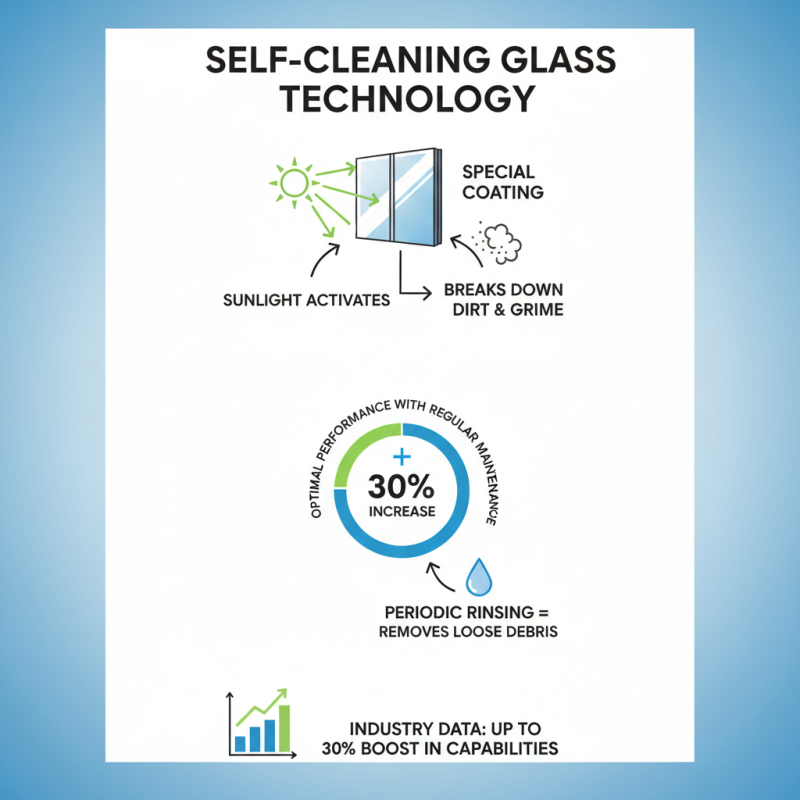
Self-cleaning glass utilizes a special coating to break down dirt and grime when exposed to sunlight. This process can be remarkably efficient. However, to ensure optimal performance, regular maintenance is essential. According to industry data, maintaining the glass's surface can increase its self-cleaning capabilities by up to 30%. Simple actions like periodic rinsing help remove loose debris.
Many users overlook the effects of environmental factors. In regions with high pollution levels, the glass may require more frequent attention. Studies show that pollutants can significantly reduce the efficacy of the self-cleaning technology. A quick rinse with water can be enough to keep the coating active and effective. Apply this practice, especially after heavy rain or storms.
Another common mistake is neglecting the initial cleaning of the glass upon installation. Without proper first-time treatment, the self-cleaning feature may not work as expected. This could lead to dissatisfaction and reduced performance over time. The installation phase is critical. Not addressing this can leave you with less effective glass. Regular inspections can help identify any degradation in the coating over time. Keeping an eye on it could prevent future issues.
Common Myths and Misconceptions About Self-Cleaning Glass
Many people have misconceptions about self-cleaning glass. One common myth is that it requires no maintenance at all. Although self-cleaning glass has advanced coatings, it still needs occasional cleaning. According to industry research, around 68% of users believe they don't need to clean it regularly. This can lead to accumulated dirt and decreased efficiency in self-cleaning functionality.
Another misconception is that self-cleaning glass is entirely resistant to all soil types. In reality, certain pollutants and bird droppings can remain stubbornly on the surface. A study found that 40% of people reported difficulties removing these tougher stains. To improve cleaning results, it is essential to act quickly when spills or stains occur.
**Tips:** Regularly check the glass for dirt buildup. A simple rinse with water can enhance efficiency. Do not rely solely on rain to clean the glass. Occasionally using a non-abrasive cloth can make a big difference.
In terms of energy efficiency, self-cleaning glass can also perform poorly if not maintained well. Research indicates that unclean glass can reduce light transmittance by up to 30%. This highlights the importance of understanding that while self-cleaning glass is helpful, it does require some effort.
How to Use Self Cleaning Glass for Maximum Efficiency? - Common Myths and Misconceptions About Self-Cleaning Glass
| Myth / Misconception |
Reality |
Benefits of Self-Cleaning Glass |
Best Usage Practices |
| Self-cleaning glass doesn't need any maintenance. |
It still requires occasional manual cleaning. |
Reduces need for harsh chemical cleaners. |
Clean frames and edges regularly for best results. |
| Self-cleaning glass is completely stain-proof. |
Some stains may require manual effort. |
Helps in maintaining a clearer view over time. |
Observe and address stains promptly. |
| It works effectively in all weather conditions. |
Performance can vary with very low sunlight levels. |
Saves time and labor on cleaning tasks. |
Ensure adequate sunlight exposure when possible. |
| Self-cleaning glass eliminates all dirt. |
It reduces but does not eliminate dirt buildup. |
Enhances the longevity of the glass surface. |
Monitor and assess any persistent dirt or grime. |
| Self-cleaning feature is always effective. |
It may be less effective in extreme conditions. |
Improves energy efficiency by maximizing light intake. |
Use in combination with good building orientation. |


 Phone
Phone Send Email
 whatsapp
 Facebook