Why Choose Cover Glass For Touch Panel Applications?
In today's digital landscape, touch panels are everywhere. They facilitate interaction in smartphones, tablets, and other devices. Choosing the right materials for these panels is crucial for performance. One outstanding option is cover glass for touch panel applications. This innovative material offers a blend of durability and clarity, enhancing user experience.
Cover glass for touch panel applications provides superior protection against scratches and impact. Unlike standard glass, it is engineered to withstand the rigors of daily use. Users benefit from its high transparency and responsiveness, which contribute to a seamless touch experience. However, some may overlook its importance, focusing solely on aesthetics or cost.
Despite its many advantages, using cover glass for touch panels is not without challenges. Sourcing quality materials can be daunting. Additionally, the production process demands precision. Companies must ensure they partner with reliable suppliers to achieve optimal results. As technology evolves, staying informed about advances in cover glass technology is essential for manufacturers and users alike.

Benefits of Cover Glass in Touch Panel Technology
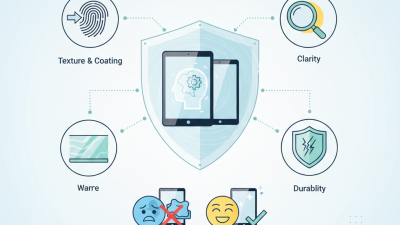
Cover glass plays a pivotal role in touch panel technology. Its unique properties enhance user experience and provide durability. The primary benefit is scratch resistance. Users appreciate screens that remain clear and unblemished. Cover glass offers protection from daily wear. This feature supports longer device life, reducing frequent replacements.
Another advantage is improved touch sensitivity. The right cover glass ensures accurate touch recognition. Users notice the difference when the glass is optimized for responsiveness. Furthermore, it can reduce glare, making screens easier to use in bright environments. This aspect is especially crucial for outdoor applications.
The aesthetic appeal of cover glass cannot be overlooked. It provides a sleek and modern look. However, not all glass is created equal. Some options may lack durability, leading to potential issues. A balance between style and functionality is essential for optimal design. Evaluating materials carefully ensures that manufacturers meet both consumer needs and design standards.
Why Choose Cover Glass For Touch Panel Applications? - Benefits of Cover Glass in Touch Panel Technology
| Benefit |
Description |
Impact on Technology |
| Durability |
Cover glass provides high resistance to scratches and impacts. |
Increases lifespan of touch panels in various applications. |
| Optical Clarity |
High transparency allows for vibrant display quality. |
Enhances user experience in visual applications. |
| Touch Sensitivity |
Designed for optimal touch responsiveness without lag. |
Improves interaction speed and accuracy. |
| Design Flexibility |
Can be manufactured in various shapes and sizes. |
Allows for innovative product designs that meet specific requirements. |
| Anti-Reflective Coatings |
Reduces glare, improving visibility in bright environments. |
Enhances usability in outdoor or well-lit settings. |
Durability and Scratch Resistance of Cover Glass
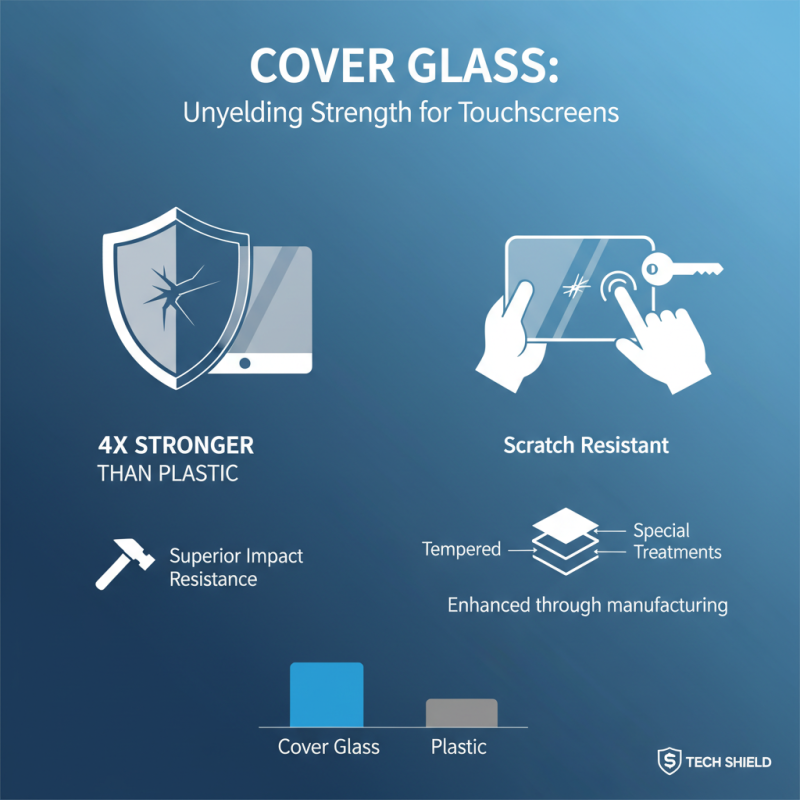
Cover glass has become increasingly popular in touch panel applications due to its exceptional durability and scratch resistance. According to industry reports, cover glass can withstand impacts up to four times greater than that of traditional plastic alternatives. This durability stems from its unique manufacturing process, which often includes tempering and specific treatments, enhancing its strength significantly.
In terms of scratch resistance, data show that cover glass scores around 7 to 8 on the Mohs hardness scale. This means it can resist scratches from common materials, such as sand or metal. However, while cover glass excels in protection, it still faces challenges. In high-traffic environments, even a strong surface may not be immune to abrasions or damage from specialized tools. Users need to recognize that no material is entirely faultless.
Furthermore, the aesthetic appeal of cover glass cannot be overlooked. It provides clarity and touch sensitivity that other materials struggle to achieve. Nevertheless, this beauty comes with a trade-off, as the rigidity and weight might not suit every application. For example, thin designs may compromise on durability. Thus, understanding these attributes is crucial for making informed decisions in touch panel technology.
Enhanced Aesthetic Appeal of Touch Panels with Cover Glass
Cover glass elevates the aesthetic appeal of touch panels, making them more visually striking. This enhancement stems from the glass's clarity and smooth surface. Touch panels with cover glass often feature sleek designs that attract users. The combination of advanced technology and elegant appearance creates a powerful visual impact.
Selecting the right cover glass is crucial. Consider thickness, durability, and optical clarity. Thicker glass can provide better protection but may add weight. Lighter glass offers a more modern feel but may sacrifice some strength. Finding the right balance can enhance user experience significantly.
Tip: Ensure that the glass has anti-reflective coatings. This addition reduces glare and improves visibility under different lighting conditions. A clear display can make or break user interactions.
The quality of the materials used can vary. Some may not withstand heavy usage over time. Regularly assess the panels for scratches or cracks. Addressing these issues promptly maintains their visual appeal.
Optical Clarity and Touch Sensitivity Features
Optical clarity is crucial for touch panel applications. A high-quality cover glass allows users to see the displayed content clearly. It reduces glare and enhances visibility under various lighting conditions. This clarity is vital for devices used outdoors or in bright environments. Users appreciate screens that are easy to read, which improves their overall experience.
Touch sensitivity is another essential feature of cover glass. It should respond accurately to user inputs without delays. A well-designed glass surface allows for smooth gestures and swipes. However, not all glasses perform equally. Some may lack responsiveness, frustrating users. A balance between durability and tactile response is needed.
Incorporating cover glass in touch panels also requires consideration of thickness and coating. Thinner glass can enhance touch sensitivity but may compromise durability. Anti-smudge coatings help maintain clarity but might wear off over time. Each design choice affects performance, requiring careful evaluation. Users often seek the ideal blend of toughness and ease of use.
Optical Clarity and Touch Sensitivity in Cover Glass Applications
This chart illustrates key features of cover glass for touch panel applications, emphasizing the importance of optical clarity and touch sensitivity. High transmittance percentages and optimal touch functionality are critical for ensuring user satisfaction and device performance.
Applications and Industries Utilizing Cover Glass in Touch Screens
Cover glass plays a crucial role in touch panel applications across various industries. From smartphones to industrial monitors, its impact can be seen everywhere. The glass provides not only protection but also enhances the user experience. Its durability against scratches and impacts makes it ideal for everyday use.
In retail environments, touch screens with cover glass allow customers to interact seamlessly. They can browse products easily, which enhances sales. In healthcare, devices with cover glass must withstand rigorous cleaning. This ensures hygiene while maintaining functionality. Touch panels in automotive applications also benefit. They offer essential controls while resisting harsh conditions.
Tips: When selecting cover glass, consider its thickness and treatment. Thicker glass offers more protection, but may add weight. Anti-reflective coatings can improve visibility in bright environments. Experimenting with different textures may provide better tactile feedback to users. Balancing aesthetics and functionality is key. It's important to iterate designs based on user feedback.


 Phone
Phone Send Email
 whatsapp
 Facebook