2026 Top Led Lighting Glass Options for Global Buyers?
As the market for LED lighting glass continues to expand, global buyers face an abundance of choices. LED lighting glass offers innovative design and energy efficiency. However, navigating through various options can be overwhelming.
Buyers seek quality products that enhance both aesthetics and functionality. LED lighting glass combines advanced technology with versatile design. It is essential to consider factors such as durability, light distribution, and energy consumption when selecting the right product.
In this fast-evolving industry, some available products may lack reliability despite their initial appeal. Therefore, in-depth research is vital. Understanding manufacturers' credentials and customer reviews can make a difference. By exploring various options, buyers can find LED lighting glass that truly meets their needs, even amid the challenges of choosing the best lighting solutions.
Top Trends in LED Lighting Glass for 2026
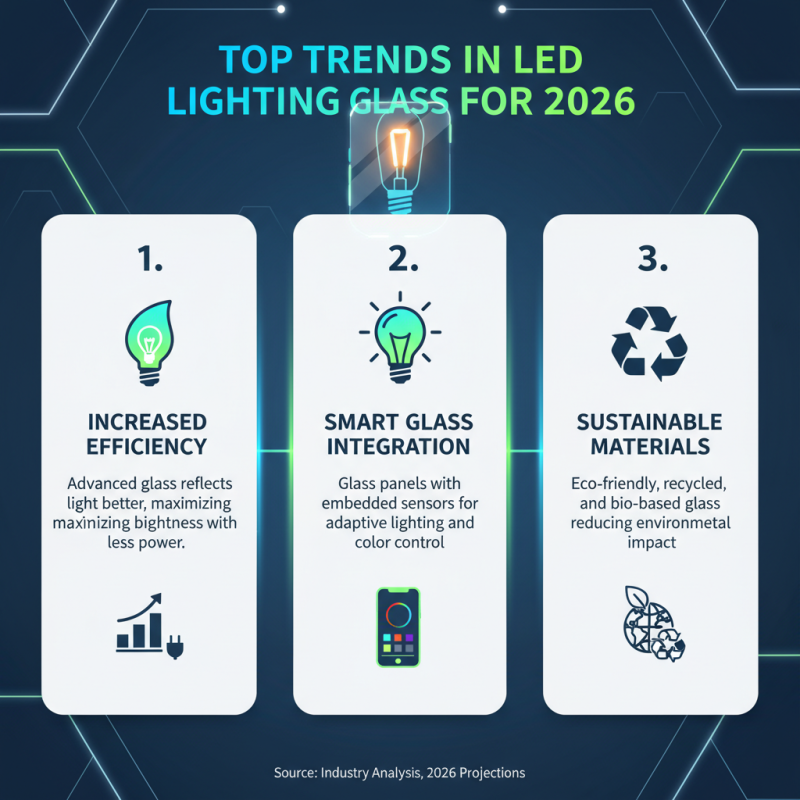
The LED lighting glass market is evolving rapidly. As we head into 2026, several trends will drive innovation. One key trend is increased energy efficiency. Manufacturers are focusing on creating glass that better reflects light, maximizing brightness while minimizing energy usage.
Another notable trend is the integration of smart technology. LED glass is becoming smarter. Advanced sensors and connectivity options are being incorporated. This allows users to control lighting remotely, enhancing convenience. Imagine adjusting the mood of your space with a simple tap on your smartphone.
Sustainability is also at the forefront. Glass manufacturers are exploring eco-friendly materials to reduce their carbon footprint. However, challenges remain. The balance between aesthetics and functionality can be tricky. Buyers must navigate between design preferences and performance. Awareness of these trends will be crucial for global buyers in 2026.
Key Features to Look for in LED Lighting Glass Products
When selecting LED lighting glass products, key features significantly impact performance and aesthetics. Consider the clarity and transparency of the glass.
High-quality glass ensures maximum light transmission. Look for products that boast minimal distortion. This feature enhances the quality of light, creating a more inviting atmosphere.
Durability is another critical aspect. Choose glass that is resistant to impact and environmental factors. Tempered or laminated options can provide added strength. It's essential to evaluate how these materials withstand everyday use and exposure to varying temperatures.
Aesthetics also play a vital role. Many LED lighting glass products come in various shapes and finishes. Textured surfaces can diffuse light beautifully, improving ambiance. However, always examine how the design complements your space.
Balancing style with practicality can sometimes be challenging, requiring reflection on what works best for your needs.
Comparative Analysis of Global LED Lighting Glass Suppliers
The global market for LED lighting glass is expanding rapidly. According to a recent market analysis by Research and Markets, the LED lighting market will reach over $100 billion by 2026. This growth directly impacts the demand for high-quality glass options used in LED fixtures. Key suppliers vary widely in materials and capabilities. Understanding these differences helps global buyers make informed choices.
Some suppliers focus on high-transmission glass that maximizes light output. Their offerings often highlight durability and thermal resistance. On the other hand, budget suppliers may offer lower-quality alternatives that can compromise performance. Data from Statista reveals that about 30% of consumers prioritize energy efficiency over aesthetics. This shift indicates a possible trend where quality may sometimes be secondary to cost, yet poor quality can lead to higher total costs due to replacements or energy inefficiency.
Reflecting on these market dynamics, buyers should weigh the options carefully. Some suppliers might not provide adequate after-sales support or product warranties. Additionally, limited product ranges could be a concern for specialized applications. Industry experts suggest that having reliable suppliers is crucial. Inconsistent quality can deeply affect buyer satisfaction in the long run. A thoughtful analysis of supplier capabilities can ensure that decisions align with performance expectations in this evolving market.
Sustainability Practices in LED Lighting Glass Manufacturing
Sustainability is becoming a priority in LED lighting glass manufacturing. Reports reveal that the global LED lighting market is expected to reach over $50 billion by 2026. However, with this growth comes the responsibility of ensuring eco-friendly practices throughout the manufacturing process.
The production of LED lighting glass traditionally involves energy-intensive methods. However, recent innovations are shifting toward renewable energy sources. Factories are now adopting solar power systems to reduce their carbon footprint. This not only lowers energy costs but also promotes sustainability in production. Enhanced recycling practices are also critical. Studies indicate that nearly 30% of glass waste can be repurposed in new products.
Despite these advances, there are challenges in fully achieving sustainability. Many manufacturers still rely on non-renewable resources. The recycling process itself can be inefficient, leading to substantial waste. This highlights the need for continuous improvement and innovation. The industry must focus on creating closed-loop systems to ensure that materials are reused effectively. By embracing these changes, manufacturers can contribute to a more sustainable future in the LED lighting sector.
Future Innovations in LED Lighting Glass Technology
The future of LED lighting glass technology offers exciting innovations for global buyers. As energy efficiency remains paramount, new types of glass are being developed. These materials can enhance the light distribution of LEDs. Transparent substrates with high light transmission are gaining attention. They allow for better color rendering and efficiency.
Tips: Consider the thickness and coating of the glass. These factors impact thermal management and light output. Proper thermal regulation is crucial for longevity.
Emerging trends include integrated smart technology in glass. This integration allows for real-time monitoring and control of lighting systems. Buyers can expect improved user experiences and energy savings. The design flexibility of these glasses supports various architectural styles. However, the evolving technology demands careful assessment.
Tips: Evaluate the compatibility of smart features with existing systems. Not all innovations suit every application. Testing and feedback are vital for ensuring effectiveness.
2026 Top LED Lighting Glass Options
This chart illustrates the market share distribution of various LED lighting glass options expected to dominate in 2026. The data shows a significant preference towards Smart Glass technology, reflecting the trend towards innovative and energy-efficient lighting solutions.


 Phone
Phone Send Email
 whatsapp
 Facebook