Best Anti Glare Glass Solutions for Global Buyers Today?
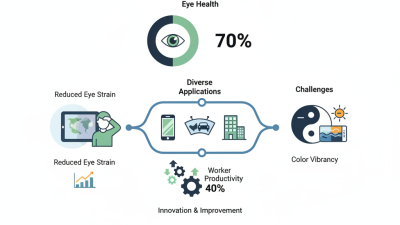
In today's visually driven market, "Anti Glare Glass" solutions are crucial for both consumers and manufacturers. Reports indicate that approximately 68% of users experience eye strain from screens, highlighting the need for effective glare reduction. Various studies suggest that quality anti-glare technologies can decrease reflection by up to 90%, enhancing user comfort and productivity.
Despite the clear advantages, choosing the right anti-glare glass can be challenging. Buyers face a plethora of options, each with different specifications and price points. Many brand products claim to reduce glare but fail to deliver after extensive usage. Consequently, it is vital to rely on trusted manufacturers with proven track records.
Reliable sources rate anti-glare glass based on transparency, durability, and ease of cleaning. Buyers should ensure they select products backed by solid performance data. Such informed choices can significantly improve visual experiences. However, some manufacturers continue to misrepresent their products, leading to confusion. This complex landscape necessitates diligence and research when purchasing anti-glare glass solutions.
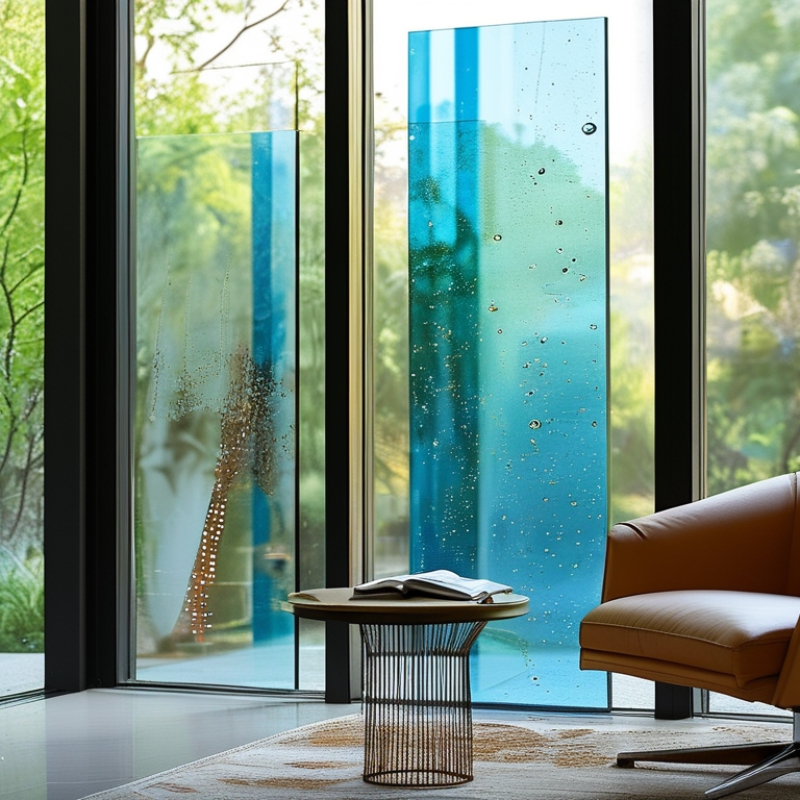
Overview of Anti-Glare Glass Technologies in the Market
The market for anti-glare glass has evolved significantly. Various technologies are available today, each designed to reduce reflections and improve visibility. These solutions cater to a wide range of applications, from consumer electronics to architectural glass. Anti-glare coatings can enhance user experiences by minimizing distractions from surrounding light sources.
One popular method involves applying a matte finish to the glass surface. This can effectively diffuse incoming light. However, it may slightly reduce clarity, which some users might find frustrating.
Another solution is the use of special films that can be adhered to glass surfaces. While these films are often easy to apply, they may peel over time and require replacements.
It is crucial to choose the right technology for specific needs. Buyers should consider the intended environment and usage. For instance, outdoor applications might require more durable solutions. With ongoing advancements, the anti-glare glass market continues to improve. Yet, challenges such as cost and performance trade-offs remain. Users must stay informed to make the best choice for their situations.
Key Benefits of Using Anti-Glare Glass for Consumers
Anti-glare glass has become a vital choice for consumers looking to enhance visual comfort. A study from the Optical Society of America highlights that up to 65% of users report reduced eye strain when using anti-glare solutions. This is particularly important for those who spend extended hours outdoors or in bright environments, where reflective surfaces can cause significant discomfort.
The key benefits extend beyond comfort. Anti-glare glass improves visibility and clarity when viewing screens or reading materials in direct light. According to research by the International Journal of Ophthalmology, glare reduction can lead to a 30% increase in visual acuity. This translates to enhanced productivity in work settings and safer conditions for drivers. Nevertheless, some users note that not all anti-glare solutions work equally well. Different coatings may affect durability and clarity, making it necessary to choose wisely.
The impact of anti-glare technology is profound. For instance, a survey indicated that 72% of consumers felt more satisfied with their overall visual experience after switching to anti-glare glass. Still, many potential buyers may struggle to differentiate the effectiveness of various products. There remains a need for more transparent guidelines and testing standards to ensure reliability in the market. More awareness and education about product performance and application can assist consumers in making informed decisions.
Best Anti Glare Glass Solutions for Global Buyers Today
| Feature |
Description |
Benefits |
Applications |
| Reduced Glare |
Minimizes reflective distraction from screens and surfaces. |
Enhances visibility and comfort, reducing eye strain. |
Used in monitors, TVs, and smartphones. |
| UV Protection |
Blocks harmful UV rays, preventing skin damage. |
Protects health while using electronic devices outdoors. |
Ideal for outdoor displays and eyewear. |
| Anti-Scratch Coating |
Durable surface prevents damage from daily use. |
Extends lifespan of the glass products. |
Common in eyewear and smartphone screens. |
| Cleanability |
Easier to clean with smudge-resistant properties. |
Maintains clarity and appearance over time. |
Useful in all consumer electronics. |
| Customizable Options |
Available in various shapes, sizes, and tints. |
Personalization according to consumer needs. |
Used in a variety of products from glasses to screens. |
Top Global Manufacturers of Anti-Glare Glass Solutions
When exploring anti-glare glass solutions, buyers must consider various factors. The market is filled with manufacturers who specialize in this technology. These companies often use advanced coatings to minimize reflections. They cater to sectors like electronics, automotive, and architecture.
Each manufacturer has its unique strengths, such as optical clarity, durability, and scratch resistance. Some focus on sustainable practices, while others emphasize affordability. Buyers should weigh these aspects carefully. It’s essential to study product specifications. This ensures alignment with project requirements.
Feedback from customers can provide insights into performance. However, not all products meet expectations. Some buyers report issues with glare reduction over time. This highlights the importance of choosing reputable manufacturers. Conducting thorough research can help avoid costly mistakes. A knowledgeable approach leads to better investment in anti-glare solutions.
Comparative Analysis of Anti-Glare Coatings and Treatments
Anti-glare coatings are crucial for improving visibility in various lighting conditions. These coatings can enhance comfort by reducing reflections and glare. However, not all coatings are the same. Understanding the differences in coatings and treatments is essential for buyers.
There are two main types of anti-glare treatments: chemically applied coatings and physical treatments like texture. Chemically applied coatings tend to be more effective in minimizing reflections. Yet, they can wear off over time and may require reapplication. Physical treatments, on the other hand, are often more durable. However, they might not provide the same level of clarity as chemical options. This discrepancy can affect user experiences significantly.
In practice, buyers must evaluate their specific needs. For instance, someone who frequently works under harsh lighting may prefer a stronger chemical coating. Yet, durability is an important concern. Regular reapplications can be inconvenient and costly. Reflecting on these aspects can lead to better investment choices. Making an informed decision involves weighing comfort against maintenance and longevity.
Trends and Innovations in Anti-Glare Glass for Future Buyers
The trend of anti-glare glass solutions is shaping the future of various industries. These innovations cater to buyers seeking clarity without the harsh effects of light reflections. Enhanced coatings and manufacturing techniques are leading to improved performance. The use of advanced materials ensures durability while providing outstanding visual comfort.
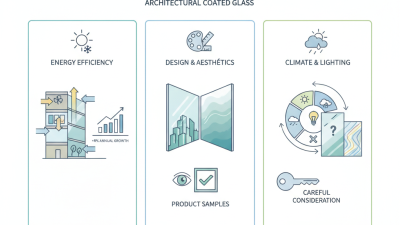
For buyers, consider the various applications of anti-glare glass. Whether it's for electronics or architectural designs, each application may require specific features. Evaluate factors like light transmission and surface hardness. It’s essential to ensure that your choice aligns with your specific needs.
When selecting anti-glare glass, think about long-term value. Higher upfront costs can lead to better longevity and less frequent replacements. A critical reflection on your choices will aid in making informed decisions. Explore options with warranties and reliability ratings to avoid potential pitfalls in your investment.
Trends in Anti-Glare Glass Solutions


 Phone
Phone Send Email
 whatsapp
 Facebook