Best Cover Glass For Touch Panel Solutions Available?
In the rapidly evolving technology landscape, choosing the best cover glass for touch panel solutions is crucial. Renowned industry expert Dr. Emily Tran, who has spent over a decade in the field, emphasizes, "The right cover glass significantly impacts user experience and device longevity."
Touch panels are integral to various devices, from smartphones to industrial equipment. The type of cover glass selected affects durability, visibility, and touch sensitivity. Consumers often overlook these aspects. While many options exist, not all provide optimal performance.
Many manufacturers prioritize cost over quality, leading to products that fall short. As technology progresses, so do user expectations and needs. Finding the perfect balance in cover glass for touch panel solutions requires careful consideration and expert guidance. Each choice should reflect a commitment to enhancing performance and reliability for end-users.
Overview of Touch Panel Solutions and Their Applications
Touch panel solutions have transformed user interaction across various industries. These interfaces enable intuitive control, enhancing the overall experience. Applications range from consumer electronics to industrial machinery. Each use case demands specific attributes from the cover glass that protects the touch panel.
Durability is critical in these applications. The cover glass must withstand scratches and impacts while maintaining clarity. Many touch panels operate in diverse environments where exposure to dust and moisture is frequent. This elevates the need for high-quality, reliable glass that ensures consistent performance. Flaws in material quality can lead to poor touch sensitivity and user frustration.
Design is another significant aspect. Aesthetically pleasing panels attract users. Thin, lightweight glass can improve device portability and visual appeal. However, striking a balance between form and function is essential. Some designs may compromise durability for style, prompting a deeper consideration of user needs.
Finally, understanding the specific requirements of the intended application can guide the selection of the best cover glass, leading to enhanced performance and user satisfaction.
Importance of Cover Glass in Touch Panel Technology
Cover glass plays a crucial role in touch panel technology. It serves as the outermost layer, protecting sensitive screens from scratches and damage. A well-chosen cover glass enhances durability and maintainability. It can significantly impact user experience by providing clear visibility and touch responsiveness. Without proper cover glass, devices may suffer from reduced function and aesthetics. The right material can also support better touch sensitivity, ensuring users enjoy seamless interaction.
Tips: When selecting cover glass, consider factors like thickness and material type. Thicker glass often provides more protection but might add weight. Tempered glass is known for its strength and resistance to breakage. Evaluate your device's use case; heavy industrial environments may require more robust options.
Be mindful of reflections. Poorly designed cover glass can lead to glare, making screens difficult to read. Look for anti-reflective coatings that minimize this issue. Remember, not all glass options are created equal. Take into account the potential impact on touch accuracy. It's important to strike a balance between protection and performance.
Types of Cover Glass Materials Used in Touch Panels
The choice of cover glass materials for touch panels has a significant impact on device performance and user experience. Glass is favored due to its durability and clarity. Common materials include soda-lime glass, tempered glass, and Gorilla Glass. Each type has unique properties suited for different applications.
Soda-lime glass is the most economical option. It is widely used but offers basic protection against scratches and impacts. According to industry reports, around 60% of touch panel manufacturers still rely on soda-lime glass due to cost constraints. However, it may not meet the longevity needs of high-end devices.
Tempered glass improves durability and resistance against thermal shock. Testing shows that it can withstand higher impact forces. However, tempered glass can be heavier, affecting device design. Meanwhile, Gorilla Glass combines lightweight with robust protection. Its chemical strength provides excellent scratch resistance but comes at a premium cost.
Manufacturers select materials based on their target market, balancing performance with budget. The industry trend leans towards innovation in cover glass technology, yet challenges remain in optimizing cost and performance.
Key Features to Consider When Choosing Cover Glass
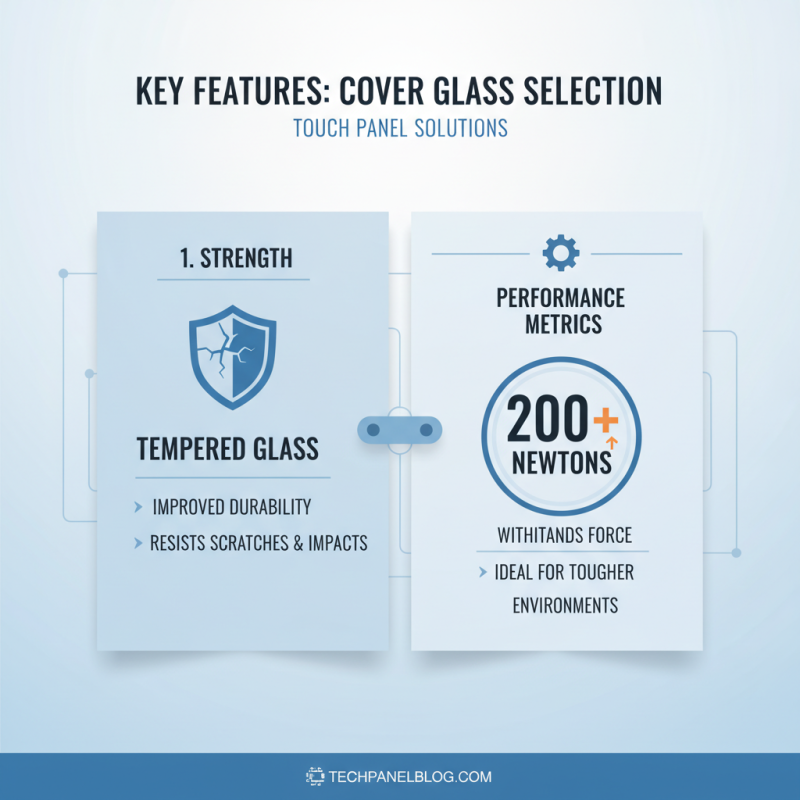
When selecting cover glass for touch panel solutions, several key features demand careful consideration. First, strength is vital. Tempered glass, often used, offers improved durability, resisting scratches and impact. Recent industry studies indicate that tempered glass can withstand forces exceeding 200 Newtons, making it a preferred choice in tougher environments.
Another important feature is optical clarity. High-quality cover glass should provide excellent transparency to ensure that the display is visually appealing. Poor quality glass can distort colors or reduce brightness. Reports suggest that cover glass with low haze values (below 1%) is optimal for maintaining image quality.
**Tip:** Always check the haze percentage before making a selection.
Touch sensitivity also plays a crucial role. Enhanced surface treatments can increase responsiveness, allowing for smoother interactions. It's noted that certain coatings can improve the touch performance by up to 30%. Consider testing glass samples to ensure the touch experience meets your expectations.
**Tip:** Comparative testing of different glass samples can reveal essential performance differences.
Lastly, think about thickness. A balance must be struck between protection and weight. Thicker glass provides more protection but adds weight, which can be counterproductive for portable devices. Always weigh the pros and cons of thickness based on the intended application.
Latest Trends and Innovations in Cover Glass Solutions
The realm of cover glass solutions is dynamic and constantly evolving. Touch panel technology is at the forefront of this shift, driven by consumer demand for durability and clarity. Recent innovations include anti-reflective coatings and increased scratch resistance. These advancements enhance user experience and prolong the lifespan of devices.
One notable trend is the integration of flexible glass materials. This opens up possibilities for curved and foldable screens, providing versatility in design. However, transitioning to these new materials can present manufacturing challenges. Companies must weigh the benefits against potential production hurdles.
Furthermore, sustainability is becoming a focus within the industry. Manufacturers are exploring eco-friendly materials and production methods. While this is a positive trend, the cost implications and performance trade-offs need careful consideration. Balancing innovation, user needs, and environmental responsibility remains a complex puzzle for developers in the touch panel market.


 Phone
Phone Send Email
 whatsapp
 Facebook