What Is the Best LED Lighting Glass in 2026?
In 2026, choosing the best Led Lighting Glass means looking beyond a bright showroom sample. The glass shapes glare, color, beam spread, and how comfortably light reaches a desk or display. It must also suit the fixture’s heat, cleaning routine, and installation conditions. A clear panel can preserve crisp detail. A softly diffusing surface can hide individual LED points, but may reduce apparent brightness. Small choices matter.
The U.S. Department of Energy reports that LEDs use at least 75% less energy and can last up to 25 times longer than incandescent lighting. That comparison concerns LED lamps, not glass performance. Glass still needs evaluation through measurable properties, including light transmission, diffusion, color consistency, and resistance to heat. The DOE’s solid-state lighting research also underscores the importance of optical and thermal design. A practical rule: test the assembled fixture, not just a loose glass sample. Check it at night, from the normal viewing angle, and after it has warmed up.
A named specialist’s quotation should be verified against a reliable source before publication; none was provided with the request, so I won’t invent one. That gap matters. This guide will compare common glass types, explain the trade-offs, and identify what buyers should ask suppliers for in 2026.
What Is LED Lighting Glass and How Does It Work?
What Is the Best LED Lighting Glass in 2026?
What Is LED Lighting Glass and How Does It Work?
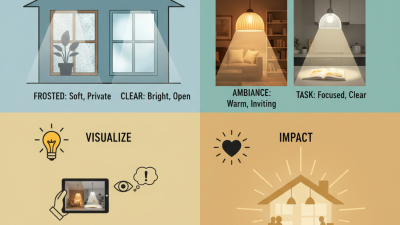
LED lighting glass is glass used with LED modules to transmit, diffuse, or direct their light. The glass itself usually does not produce illumination. Instead, LEDs sit behind a panel, along an edge, or within an assembled fixture. Their electrical current generates light, while the glass changes how that light appears. Clear glass preserves brightness and detail; frosted or textured glass spreads light and softens visible points. The glass stays passive.
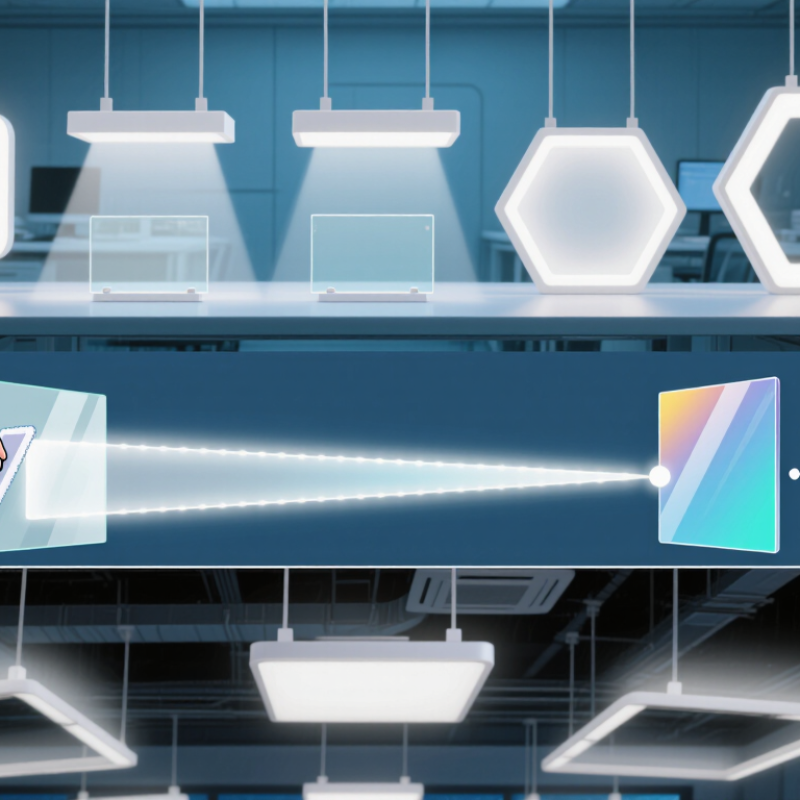
Some designs use etched patterns, tinted layers, or optical coatings to control glare and create a more even glow. Edge-lit panels, for example, guide light through the glass and release it across the surface. Performance depends on LED placement, glass thickness, surface finish, and heat management. A bright panel can still show uneven patches if its light sources are poorly spaced. Real rooms complicate things, too: wall color and daylight can change the effect.
Tips: Match the finish to the task. Choose clearer glass for display details and diffusing glass for softer ambient light. Check the panel under the room’s actual lighting, not only in a showroom. Ask for details on heat control and dimming compatibility; these can be overlooked.
Which Glass Properties Affect LED Performance?
Which Glass Properties Affect LED Performance?
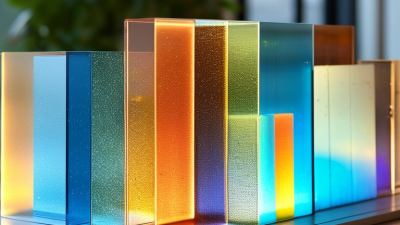
LED lighting glass influences how much light reaches a room, how evenly it spreads, and how well the fixture handles daily use. Visible-light transmission matters, but clarity alone can mislead. A glass pane may look clear while reflecting or absorbing useful light. Tinted glass can also shift the apparent color of white LEDs. Check spectral transmission data when accurate color is important, such as in display cases or task lighting.
Surface texture changes the beam. Frosted or patterned glass can soften bright points and reduce glare, though it may lower output. Thickness, coatings, and pane shape also affect reflection and light distribution. Heat deserves attention. LEDs produce less heat than many older lamps, but drivers and nearby components still warm the fixture. Glass must suit the fixture’s operating temperature and mounting design. Thermal shock can crack unsuitable glass. Material choice depends on the actual conditions.
Tips: Match transmission and diffusion to the task. Ask for optical data, not just a “clear glass” description. Check the fixture’s temperature limits and cleaning guidance. For demanding installations, test a sample under the real LED and viewing angle. Small details matter. A neat-looking sample can behave differently at scale.
What Is the Best LED Lighting Glass in 2026? - Which Glass Properties Affect LED Performance?
Selection note: For many LED luminaires, borosilicate glass is a practical balance of visible-light transmission and thermal-shock resistance. The best choice depends on the operating temperature, impact requirements, wavelength, glass thickness, coatings, and required optical distribution. Glass is generally a protective optical cover, not the primary LED heat sink; LED junction temperature is chiefly managed by the package, circuit board, and heat-dissipation system. Values above are typical ranges and vary with composition, thickness, wavelength, and processing.
What Types of Glass Are Used in LED Lighting?
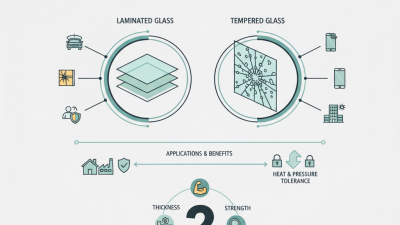
LED lighting uses several kinds of glass, chosen for the fixture’s heat, impact risk, and optical needs. Soda-lime glass is common in covers and lenses. It offers clear light transmission and modest cost, but sudden temperature changes can crack it. Tempering improves impact resistance; it does not change the glass’s basic composition.
Borosilicate glass handles thermal changes better, making it useful near enclosed or high-output lighting. Aluminosilicate glass can provide greater strength in thin panels, though cost and fabrication may limit its use. Fused silica transmits light well and tolerates high temperatures, but it is usually reserved for demanding applications. Not every fixture needs it.
Glass can also be etched, frosted, or made opal to soften glare. A lightly textured diffuser spreads light across a desk, while clear glass preserves a sharper beam. Coatings may reduce reflections, but scratches or poor cleaning can affect them. Small details matter. In practice, the best choice depends on the complete fixture, not the LED alone. Glass selection can be imperfect: a tougher panel may add weight, and a softer glow may reduce brightness. Testing the assembled fixture helps reveal those trade-offs.
How Can LED Lighting Glass Be Compared in 2026?
What Is the Best LED Lighting Glass in 2026?
How Can LED Lighting Glass Be Compared in 2026?
Compare glass under the same lighting conditions. Check visible-light transmission, haze, color consistency, and how evenly the panel spreads light. A bright sample can still show distracting LED dots. Place each piece over the intended light source and inspect it from several angles.
Thermal performance matters too. Run the glass with the planned LED module, then check for heat buildup, discoloration, or changes in appearance. Review impact resistance, edge quality, cleaning needs, and compatibility with the fixture. Ask for test data, but confirm key results with samples; measurements may vary with thickness and surface finish. Small differences show up.
For color-critical spaces, assess the light through the glass, not just the bare LED. Compare color rendering and visible tint in the actual installation. A neutral-looking sheet in daylight may appear slightly green or warm when illuminated. I would also consider maintenance access and replacement availability, since a technically strong panel can be awkward to service. No single metric settles the choice. The best comparison reflects the fixture, environment, and viewing distance, and some trade-offs will remain.
Which LED Lighting Glass Suits Different Applications?
What Is the Best LED Lighting Glass in 2026?
The best LED lighting glass depends on where the fixture will be used. For offices, classrooms, and kitchens, opal or lightly diffusing glass softens bright points and reduces harsh glare. It spreads light evenly across desks and counters. Not always perfectly. A diffuser that looks calm in a showroom can feel dim in a deep room, so check it at the intended mounting height.
Clear glass suits display cases, decorative pendants, and task lights where crisp detail matters. Textured or patterned glass can soften reflections while adding visual depth, though heavy patterns may create uneven light on nearby surfaces. For bathrooms and covered outdoor fixtures, specify glass and seals rated for the actual moisture exposure. Heat resistance also matters: enclosed luminaires can run warmer than expected, so confirm compatibility with the fixture design.
For high-bay spaces, workshops, or large corridors, prioritize light transmission, glare control, and easy cleaning. Dust shows quickly on textured surfaces. Tempered glass may be appropriate where impact resistance is important, but it does not replace a suitable fixture enclosure. Compare samples with the actual LED source, since color temperature and beam shape change how glass appears. A useful choice balances brightness, comfort, durability, and maintenance—not appearance alone.
What Is the Best LED Lighting Glass in 2026?
Typical visible light transmittance varies with glass thickness, coatings, texture, and manufacturing. These illustrative values help compare common options; verify the specifications of the glass used in a particular fixture.
Application guide: Low-iron glass suits applications prioritizing light output, such as display lighting. Diffusing glass helps soften glare in indoor fixtures, while opal glass provides more uniform, subdued light. Borosilicate glass is often considered where heat resistance is important; tempered glass is a common choice for impact-resistant covers. Choose based on the fixture’s optical, thermal, and safety requirements—not transmittance alone.


 Phone
 Send Email
 whatsapp
 Facebook