Best Quality Shelf Glass for Global Buyers Seeking Affordable Options?
Shelf Glass serves as a crucial element in the retail and display industries. According to the Global Glass Association, the demand for high-quality shelf glass has risen by 15% in the past year alone. This surge reflects a growing preference for durability and aesthetic appeal among global buyers.
Experts stress the importance of choosing the right materials. Dr. Emily Carter, a leading figure in the glass manufacturing industry, once stated, "Quality shelf glass not only enhances product visibility but also ensures safety and reliability." Her insights highlight the balance buyers must strike between quality and affordability.
However, achieving this balance can be challenging. Many buyers find themselves overwhelmed by options that claim to provide both qualities. The reality is that sourcing shelf glass can involve trade-offs. Competitive pricing often compromises quality, making it imperative to conduct thorough research before making a purchase. Understanding the nuances of shelf glass can lead to better-informed decisions for any operation.

Understanding Shelf Glass: Types and Their Quality Standards Globally
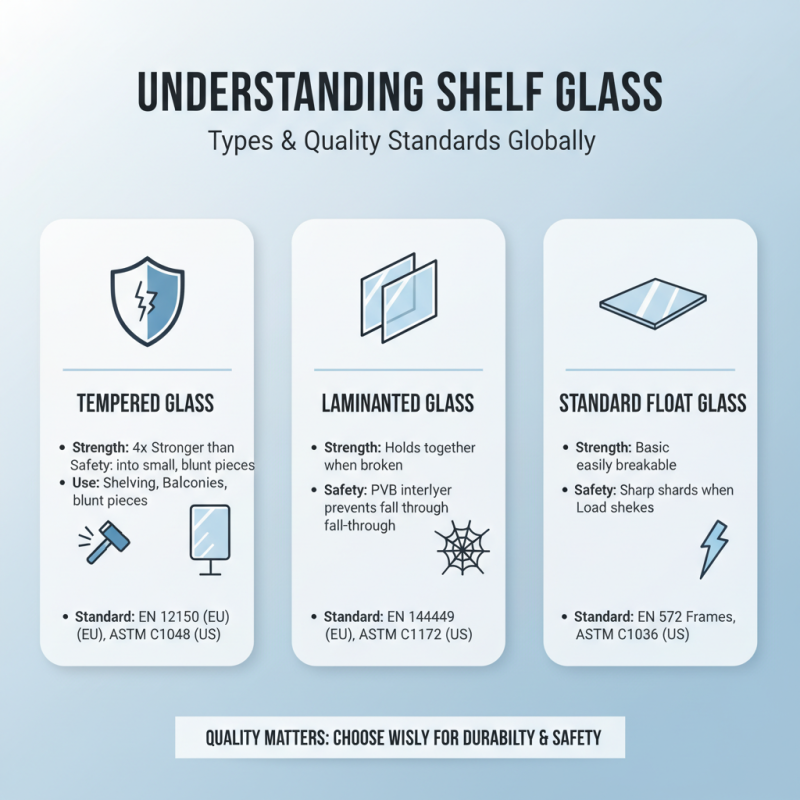
Shelf glass plays a crucial role in various industries, including retail, hospitality, and home décor. Understanding the different types of shelf glass is essential for consumers looking for quality options. Common varieties include tempered glass, laminated glass, and standard float glass. Each type has unique properties that affect its strength, clarity, and suitability for specific applications.
Quality standards for shelf glass differ globally. In some regions, safety standards require tempered glass for high-traffic areas. In others, laminated glass is preferred for its shatter-resistant features. Buyers should familiarize themselves with certifications and quality markers that indicate compliance with local and international standards.
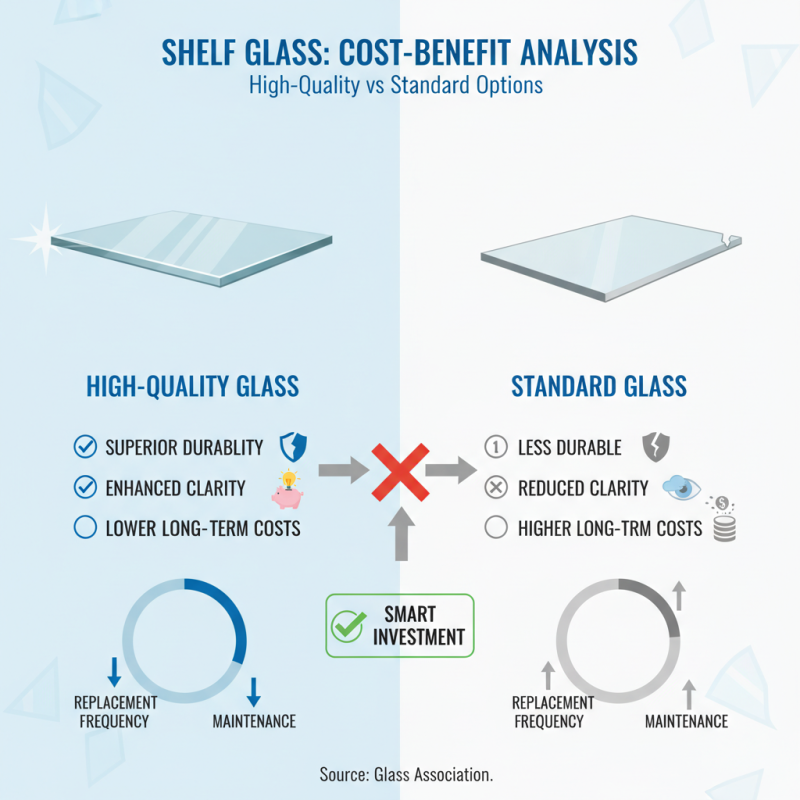
Finding affordable shelf glass does not mean compromising on quality. However, budget options may lead to uncertainty about material strength. Conducting thorough research on suppliers and obtaining samples for testing can help ensure reliability. Balancing cost with quality is often challenging but necessary for long-term satisfaction. Understanding these factors will empower buyers to make informed decisions in the global marketplace.
Key Factors in Choosing Affordable Shelf Glass for Industrial Use
When selecting affordable shelf glass for industrial use, several key factors come into play. The quality of the glass should be at the forefront of your decision. Look for materials that offer both durability and clarity. The thickness of the glass is crucial as well; thicker glass typically provides better support and is less prone to breakage.
Tips: Always check for safety ratings. This ensures the glass can withstand industrial demands. Also, consider the finish of the glass. A frosted finish can reduce glare while providing a stylish look.
Price is essential but shouldn’t compromise quality. Research suppliers who can provide samples. Testing a sample can reveal its true strength and functionality. Pay attention to any imperfections in the glass. Even minor flaws can reduce performance over time.
Finally, consider the environmental impact of your selection. Eco-friendly options are increasingly available and can save costs in waste disposal. Affordable doesn't mean you have to sacrifice on standards. It's about striking a balance between cost and quality.
Best Quality Shelf Glass for Global Buyers Seeking Affordable Options
| Feature |
Description |
Price Range (per square meter) |
Best Suitable for |
| Thickness |
Common thickness options range from 4mm to 12mm. |
$15 - $40 |
Retail Displays, Home Shelving |
| Tempering |
Tempered glass for added strength and safety. |
$30 - $70 |
Commercial Use, High Traffic Areas |
| Finish |
Options include clear, frosted, and tinted finishes. |
$20 - $50 |
Office Spaces, Decorative Shelving |
| Size |
Custom sizes available to fit various applications. |
Varies significantly based on size |
Bespoke Furniture, Wall-Mounted Shelves |
| Load Capacity |
Typically handles 50-100 kg per square meter. |
$25 - $55 |
Heavy-duty Racking, Industrial Use |
Global Market Trends: Demand for Economical Shelf Glass Solutions
The global market for shelf glass is evolving rapidly. Buyers increasingly seek economical solutions without sacrificing quality. This demand reflects broader economic trends. Retailers, manufacturers, and homeowners are all looking for cost-effective options. Affordable shelf glass provides functional beauty in homes and businesses alike.
Various factors drive this growing trend. Consumers want durable, visually appealing options that fit their budgets. They often prefer local suppliers to reduce shipping costs. Additionally, manufacturers strive for innovation while maintaining affordability. Yet, challenges remain. Some producers may compromise quality for lower prices, leaving buyers with unsatisfactory results.
The key lies in balancing cost and quality. Observing material specifications can lead to better choices. Buyers are encouraged to ask for samples to assess thickness and clarity. Making informed decisions requires diligence and foresight. Reliable suppliers will understand these needs and provide guidance. The journey to finding the right shelf glass can be complex, but it is worthwhile.
Industry Insights: Leading Manufacturers of Affordable Shelf Glass
In the ever-evolving market for shelf glass, many global buyers seek both quality and affordability. Recent reports indicate that the demand for cost-effective shelf solutions is increasing, especially in retail and hospitality sectors. The global shelf glass market was valued at approximately $12 billion in 2022, with expectations to grow by nearly 5% annually through 2030. This trend points towards a significant opportunity for manufacturers who can balance quality with price.
Leading manufacturers are now innovating to create more efficient production processes. This push for affordability often sacrifices some premium features. Economies of scale are crucial. By streamlining operations, companies can reduce costs significantly, but this can impact glass durability. A study showed that 30% of manufacturers struggled to maintain quality while trying to meet lower price points. Buyers should be aware of this trade-off and assess their needs carefully.
Quality assurance remains crucial. Many firms now rely on advanced testing methods. For example, rigorous testing can ensure a product’s strength and clarity. However, this requires investment and time, which some manufacturers might avoid. In this competitive landscape, not every option will meet high standards. Buyers should seek transparency about production methods to ensure they make informed choices.


 Phone
Phone Send Email
 whatsapp
 Facebook