How to Choose Anti Reflective Glass for Your Next Project?
Choosing the right Anti Reflective Glass for your project can be daunting. Industry expert Dr. Emily Carter emphasizes, "The clarity and performance of Anti Reflective Glass can significantly impact your design." With so many options available, it's crucial to understand the features that matter most.
Anti Reflective Glass minimizes glare and enhances visibility. It is ideal for various applications, from retail displays to architectural glass. However, not all products are created equal. Some may only reduce reflections slightly, while others offer superior performance. Choosing poorly can lead to disappointing results and wasted investment.
Consider the practical applications of Anti Reflective Glass. High-traffic areas require durability alongside performance. Research different coatings and their applications. It’s not just about aesthetics; functionality matters. Reflect on what best serves your project's needs and avoid the trap of assuming all Anti Reflective Glass is the same.
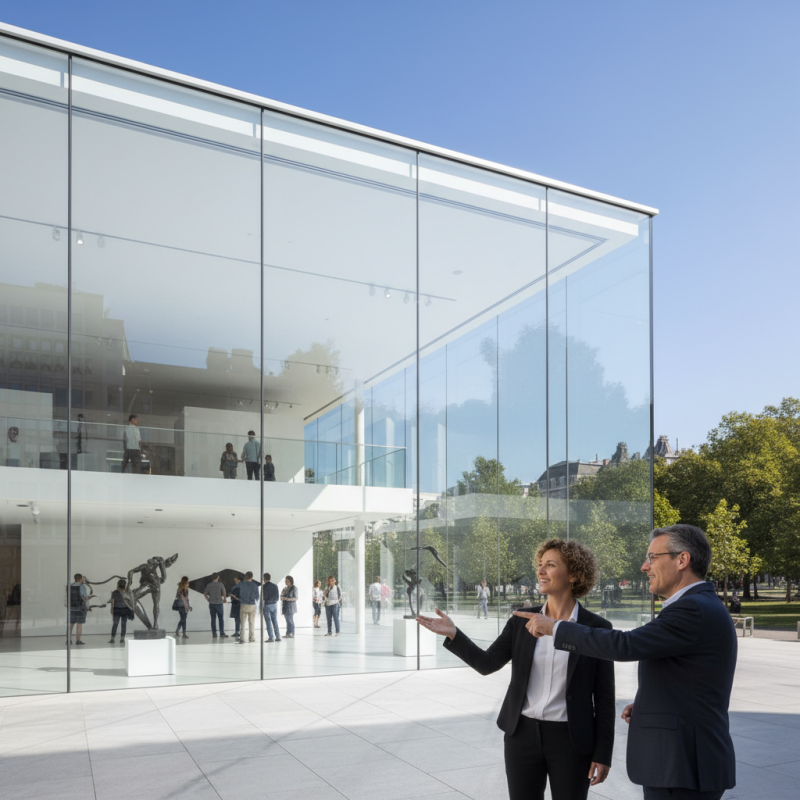
Understanding Anti Reflective Glass and Its Benefits
Anti-reflective glass has become essential in various industries. Understanding its benefits can help you make informed choices for your projects. This specialized glass minimizes glare and reflections. According to a report by the Glass Association, using anti-reflective coatings can increase light transmission by up to 98%. This means improved visibility and enhanced viewing experiences.
When choosing anti-reflective glass, consider your specific needs. Think about the environment where the glass will be placed. Factors such as lighting conditions and intended use are critical. Tips: measure the light levels in your space. This helps determine the appropriate type of anti-reflective glass. A failure to assess these conditions might lead to overly reflective surfaces, negating the benefits.
Another aspect to consider is the durability of the glass. Not all anti-reflective coatings offer the same level of protection against scratches and wear. A study from the International Glass Research Group highlights that coatings can vary greatly in longevity. If the glass will be exposed to harsh environments, choose a more robust option. Tips: ask for sample tests to assess durability. Be cautious in overlooking quality, as it can impact the glass's functionality over time.
How to Choose Anti Reflective Glass for Your Next Project? - Understanding Anti Reflective Glass and Its Benefits
| Feature |
Description |
Benefits |
| Light Transmission |
Anti-reflective glass enhances light transmission, allowing more natural light to pass through. |
Improved brightness in spaces, reducing the need for artificial lighting. |
| Glare Reduction |
Minimizes reflections on the glass surface, reducing glare. |
Enhanced visual comfort, making it easier to view screens and displays. |
| Scratch Resistance |
Many anti-reflective glasses come with a scratch-resistant coating. |
Increased durability, maintaining optical clarity over time. |
| Cleaning Ease |
Special coatings prevent dirt and smudges from adhering to the surface. |
Less time and effort spent on cleaning, maintaining aesthetic appeal. |
| UV Protection |
Blocks harmful UV rays from sunlight, protecting interiors. |
Prevents fading of fabrics and reduces skin damage from UV exposure. |
Factors to Consider When Choosing Anti Reflective Glass
When selecting anti-reflective glass, several factors come into play. Clarity is crucial. You want glass that minimizes glare and enhances visibility. Consider the thickness of the glass. Thicker pieces can offer better durability. However, they might reflect more light, counteracting the benefits of anti-reflective coatings.
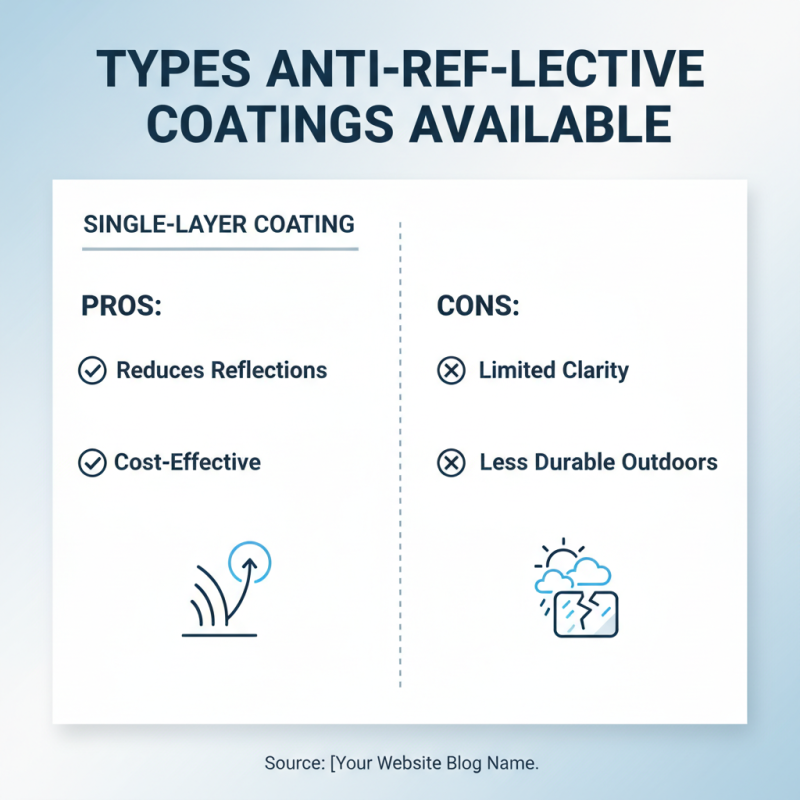
The application is another important aspect. Will the glass be used outdoors? If so, durability against scratches and environmental impacts becomes essential. Indoor uses might prioritize aesthetics over ruggedness. Moreover, evaluate the coating type. Some coatings provide better resistance to smudging and cleaning issues, which is vital for long-term maintenance.
Cost is a significant factor as well. High-quality anti-reflective glass can be expensive. Look for options that offer a balance of quality and price. Some cheaper alternatives may lack the desired performance. Reflect on the intended use and longevity you require. It might be wise to invest in better quality to avoid future replacements.
Assessing the Visual and Functional Requirements
When selecting anti-reflective glass for your next project, it’s crucial to assess the visual and functional requirements. Anti-reflective coatings can enhance clarity and reduce glare, crucial for environments requiring precise vision. According to a report by the Glass Association, glare reductions of up to 90% can improve visibility significantly.
Consider the specific context in which the glass will be used. For retail environments, anti-reflective glass improves product visibility by minimizing reflections. A study showed that stores using this glass saw a 30% increase in customer engagement. However, installing this type of glass in outdoor settings poses challenges. The effectiveness can diminish due to environmental factors like humidity and dirt, which may lead to maintenance issues.
It’s vital to balance aesthetics with practical needs. The right thickness and coating type can influence durability and cost. A 2021 report indicated that 25% of projects over budget failed to account for these variables adequately. Ensuring that the chosen glass meets both visual clarity and functional robustness may require revisiting initial specifications.
Evaluating Costs and Budget for Anti Reflective Glass Options
When planning your next project, evaluating costs for anti-reflective glass can be complex. It's essential to consider various factors that impact pricing. According to a recent industry report, anti-reflective glass can cost between $30 and $100 per square foot. This wide range is influenced by factors such as thickness, size, and custom treatments.
It's crucial to understand your specific needs. A larger installation will naturally drive up costs. You might find that while budget options exist, they often sacrifice quality and durability. Investing in higher-grade glass can lead to longer-lasting results, potentially saving money in the long run.
Another aspect is installation costs. Professional installation can add $10 to $25 per square foot. Some projects may require special handling or equipment, increasing that expense. The challenge lies in balancing budget constraints with quality. You may need to adjust project expectations based on these financial realities. Reflecting on these details helps in making informed choices as you navigate your project’s requirements.


 Phone
Phone Send Email
 whatsapp
 Facebook