Top Trends in Glass Deep Processing: Innovations and Techniques to Watch
As the Glass Deep Processing industry evolves, it is essential to stay abreast of the latest innovations and techniques that shape its future. Experts in the field, such as Dr. Emily Johnson, a prominent researcher in glass technology, emphasize the significance of these advancements: "The future of Glass Deep Processing lies in our ability to innovate and improve the capabilities of glass as a material." This statement highlights the ongoing transformation within the industry, where cutting-edge processes are not merely enhancements but revolutionary changes that redefine applications across various sectors.
The current trends in Glass Deep Processing reflect a growing emphasis on sustainability, precision, and technological integration. As manufacturers continue to explore eco-friendly materials and energy-efficient processes, advancements such as improved automation and digitalization play a crucial role in enhancing production efficiency. The integration of smart technology into glass manufacturing is paving the way for bespoke solutions that cater to diverse market needs, allowing companies to push the boundaries of what is possible.
In this article, we will explore the top trends currently shaping Glass Deep Processing, focusing on innovative techniques that industry leaders are adopting. By examining these developments, we can gain insights into the future landscape of glass processing—one that promises to be as dynamic and transformative as the material itself.

Emerging Technologies in Glass Deep Processing
The glass deep processing industry is witnessing a wave of emerging technologies that are reshaping the landscape of production and application. One of the significant innovations is the advancement of smart glass technologies. These materials can change their properties in response to environmental stimuli, such as temperature or light, enabling dynamic energy efficiency solutions in architecture. Such capabilities not only enhance aesthetics but also contribute to energy savings and improved occupant comfort in buildings.
Another notable trend is the integration of automation and artificial intelligence in glass processing. Automated precision cutting and CNC machining systems are increasingly utilized to ensure uniformity and reduce waste, significantly improving production efficiency. Additionally, AI-driven quality control systems analyze production data in real-time, allowing for immediate adjustments to minimize defects. This convergence of automation and AI not only streamlines processes but also elevates the quality and reliability of glass products, paving the way for broader adoption across various industries.
Advancements in Surface Treatment Techniques for Glass
The glass deep processing industry is experiencing significant advancements, particularly in the area of surface treatment techniques. Innovations such as nano-coating and advanced chemical etching are reshaping how glass products are finished and utilized. According to a recent industry report by Smithers, the surface treatment market for glass is projected to grow at a CAGR of 5.6%, driven by increasing demand for high-performance coatings that enhance durability and aesthetic appeal. Techniques like anti-reflective coatings and water repellents not only improve the functionality of glass products but also meet the increasing consumer preferences for sustainability and energy efficiency.
One promising development in surface treatment is the use of laser technology for etching and engraving. This method allows for precision and intricate designs that were previously difficult to achieve with traditional methods. Additionally, it reduces material waste and minimizes environmental impact, aligning with current industry trends towards sustainable production practices. A report by the Global Market Insights indicates that the laser processing segment of the glass industry may see a valuation increase of $1.2 billion by 2027, which underscores the strong interest from manufacturers.
**Tips:** When considering surface treatment for glass, it's essential to evaluate your specific needs—whether durability, clarity, or aesthetic enhancement. Investing in advanced treatments can provide long-term benefits, such as reducing maintenance costs and improving product longevity. Always consult with industry experts to select the best surface solutions for your applications, ensuring compliance with safety and performance standards.
Top Trends in Glass Deep Processing: Innovations and Techniques to Watch - Advancements in Surface Treatment Techniques for Glass
| Trend |
Description |
Benefits |
Applications |
| Nanotechnology |
Utilization of nano-coatings to enhance glass surfaces. |
Improved durability, anti-reflective properties, and self-cleaning capabilities. |
Architectural glass, photovoltaic panels. |
| Laser Treatment |
Using lasers for precision cutting and marking on glass. |
High precision, reduced waste, and enhanced design flexibility. |
Decorative glass products, automotive applications. |
| Chemical Etching |
Application of acid or alkaline solutions to create patterns on glass. |
Customizable designs and textured surfaces. |
Interior design, signage, and art glass. |
| Coating Technologies |
Thin film coatings to modify optical, thermal, and mechanical properties. |
Enhanced energy efficiency, glare reduction, and UV protection. |
Smart windows, solar glass, and electronic displays. |
| 3D Printing |
Additive manufacturing techniques utilizing glass materials. |
Ability to create complex geometries and reduce material waste. |
Art installations, custom glass components. |
Innovative Machining Methods for Enhanced Glass Products
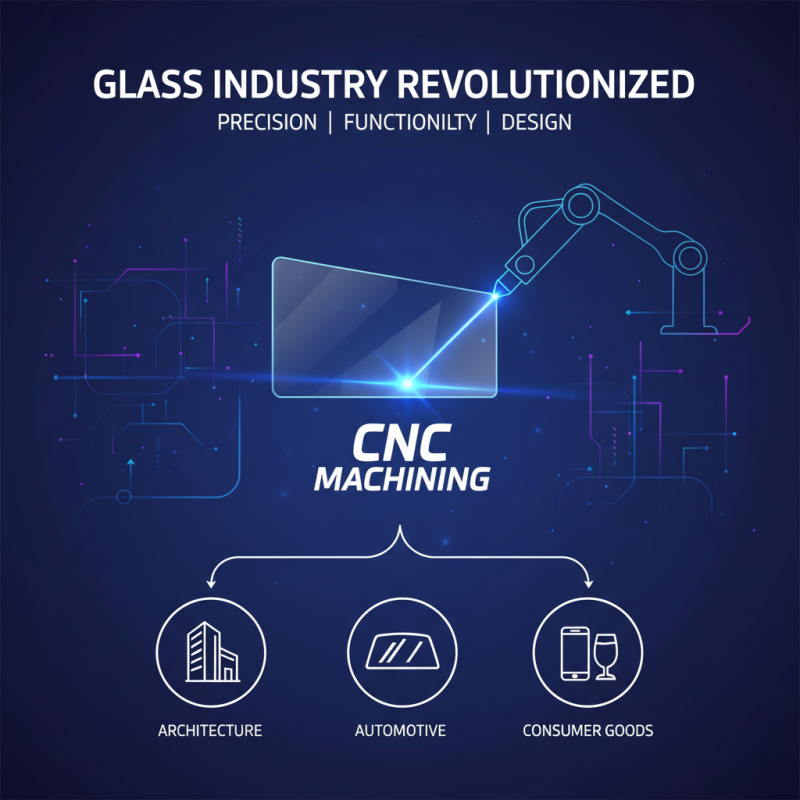
Innovative machining methods are revolutionizing the glass industry, paving the way for the production of enhanced glass products that meet diverse consumer needs. One of the most significant advancements is the adoption of computer numerical control (CNC) technology. CNC machining allows for precise cuts and intricate designs that were previously unattainable with traditional methods. This technology not only enhances the aesthetic appeal of glass products but also increases their functionality, making them suitable for a variety of applications in architecture, automotive, and consumer goods.
Another notable trend is the integration of laser processing techniques in glass manufacturing. Laser cutting and engraving offer unmatched precision and can create highly detailed patterns with minimal resistance, reducing waste and production time. Moreover, advancements in laser technology have enabled manufacturers to experiment with different glass types and thicknesses, expanding the possibilities for innovative designs. As these sophisticated techniques gain traction, they contribute significantly to the sustainability of the glass industry, allowing for resource-efficient practices while meeting the growing demand for customized and high-quality glass products.
Sustainable Practices in Glass Deep Processing
Sustainable practices in glass deep processing are becoming increasingly vital as industries seek to minimize their environmental footprint. One of the prominent trends is the use of recycled materials in the production process. By incorporating post-consumer glass into new products, manufacturers not only reduce waste but also conserve energy and raw materials, which are necessary for traditional glass making. This approach not only lessens the demand for natural resources but also results in lower greenhouse gas emissions, contributing to a more sustainable manufacturing cycle.
Another innovative technique gaining traction is the adoption of energy-efficient technologies. Advanced methods, such as high-efficiency furnaces and smart production systems, optimize the melting and molding processes while reducing energy consumption. Additionally, the integration of renewable energy sources, such as solar or wind power, is being explored to further decrease the carbon footprint associated with glass processing. These sustainable methodologies are not just ethically responsible but also economically beneficial, as they can lead to significant cost savings over time and appeal to a growing consumer base that values sustainability.
Top Trends in Glass Deep Processing: Innovations and Techniques to Watch
Market Trends and Future Directions in Glass Industry Innovations
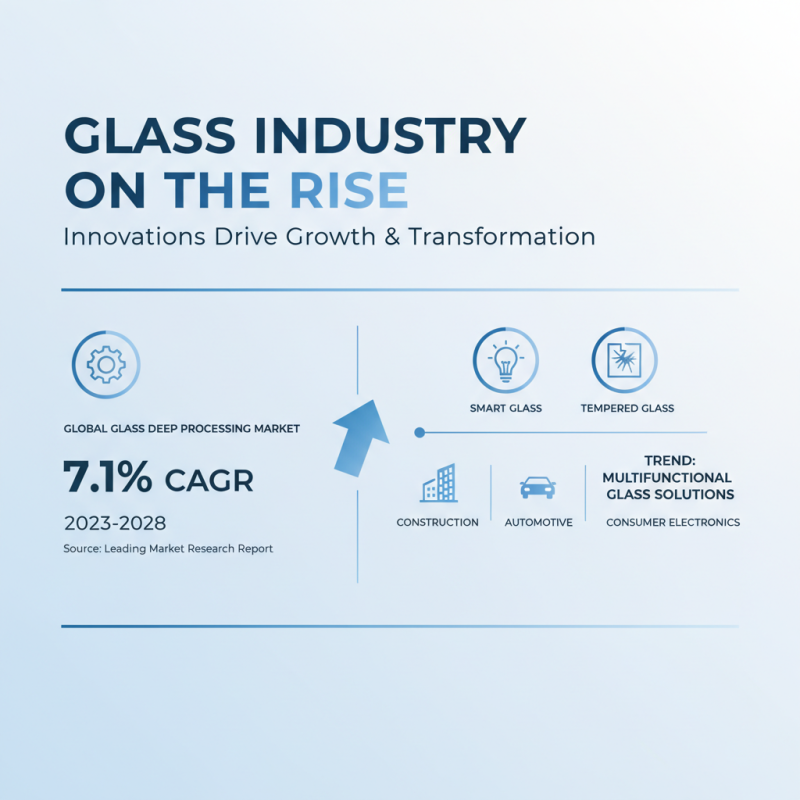
The glass industry is undergoing significant transformations driven by innovations and market demands. According to a report by Leading Market Research, the global glass deep processing market is expected to grow at a CAGR of 7.1% between 2023 and 2028, fueled by advancements in technologies such as smart glass and tempered glass products. These innovations are reshaping applications across various sectors, including construction, automotive, and consumer electronics, indicating a strong trend towards multifunctional glass solutions.
In addition to technological advancements, sustainability plays a key role in shaping future directions in the glass industry. Environmental regulations and the push for sustainable production processes are necessitating a shift towards recycled glass use and energy-efficient manufacturing techniques. Recent studies show that recycled glass can reduce energy consumption by up to 30% during production, making it a crucial component of eco-friendly practices.
Tips: When considering glass processing techniques, businesses should focus on integrating automation and data analytics into their fabrication processes. This not only optimizes production efficiency but also enhances product quality. Investing in training skilled labor to handle advanced technologies will further strengthen your competitive edge in the evolving glass market.


 Phone
Phone Send Email
 whatsapp
 Facebook