Top 10 Cover Lens For Display You Need to Know?
In the rapidly evolving tech landscape, the importance of choosing the right cover lens for display cannot be overstated. Cover lenses serve as a critical interface between users and devices. According to a report by Research and Markets, the global market for display cover lenses is projected to reach $7.9 billion by 2027, driven by advancements in technology and increasing demand for high-quality displays.
Selecting the most suitable cover lens for display involves understanding various factors. These include optical clarity, durability, and resistance to scratches. It's easy to overlook that not all cover lenses are created equal; some may diminish visual quality or fail under stress. A recent study from TechInsights reveals that approximately 15% of display issues arise from subpar lens materials.
As consumers, we should critically assess our options to choose wisely. The right cover lens for display not only enhances viewing experiences but also extends device lifespan. However, misleading marketing claims can leave buyers second-guessing their choices. Thus, it's essential to ground our decisions in detailed research and data analysis.

Understanding the Purpose of Cover Lenses for Displays
Cover lenses play a crucial role in enhancing the performance and longevity of display technologies. According to industry reports, nearly 70% of display-related issues stem from environmental damage. These lenses act as a protective barrier against dust, moisture, and scratches. They help maintain clarity and color accuracy over time. This is vital for applications requiring precision, like medical and aviation displays.
Moreover, the choice of material significantly affects the lens's durability. Reports indicate that glass lenses can provide better scratch resistance, while plastic options may offer lighter weights. Each type has trade-offs. For instance, glass can shatter but is often more scratch-resistant. Plastic tends to be more durable in high-impact environments, but can scratch easily.
Understanding the purpose of these lenses shapes design decisions. Inadequate protection can lead to frequent replacements, driving costs up. Not all lenses are created equal, and selecting the right one requires careful consideration of specific environmental factors and display requirements. Many users overlook these details, resulting in poor performance.
Top 10 Cover Lens For Display You Need to Know
| Lens Type |
Material |
Thickness (mm) |
UV Protection |
Scratch Resistance |
Anti-Glare |
| Polycarbonate Lens |
Polycarbonate |
2.0 |
Yes |
High |
Yes |
| Tempered Glass Lens |
Glass |
3.0 |
Yes |
Very High |
No |
| Acrylic Lens |
Acrylic |
2.5 |
Limited |
Moderate |
Yes |
| Lens with Anti-Reflective Coating |
Glass |
2.0 |
Yes |
High |
Yes |
| Lens with Blue Light Filtering |
Polycarbonate |
2.0 |
Yes |
Moderate |
Yes |
| Frosted Lens |
Acrylic |
2.5 |
No |
Low |
No |
| Anti-Fog Lens |
Polycarbonate |
2.0 |
Yes |
Moderate |
Yes |
| Polarized Lens |
Glass |
2.0 |
Yes |
High |
No |
| Photochromic Lens |
Glass |
2.0 |
Yes |
High |
Yes |
| Multi-Coated Lens |
Glass |
2.0 |
Yes |
Very High |
Yes |
Types of Cover Lenses Available for Different Display Technologies
When selecting cover lenses for different display technologies, it's essential to understand the types available. Cover lenses can significantly influence the display's performance and durability.
For example, OLED displays typically require anti-reflective coatings. These coatings enhance image clarity while minimizing glare. Higher-end models often use glass lenses that provide better scratch resistance.
LCD screens, on the other hand, may benefit from plastic lenses. They are lighter, making them easier to handle during installation. However, plastic lenses can scratch more easily than glass. This can impact visual presentation over time. Choosing the right material for the intended environment is crucial.
There are also emerging technologies like MicroLED, which promise enhanced brightness and color accuracy. Cover lenses for these displays often need to accommodate new manufacturing processes. Selecting the appropriate lens ensures that users experience the full potential of their displays.
Users should consider factors like environmental exposure and the specific use case when making a decision. This purposeful selection can lead to improved satisfaction with visual performances.
Key Features to Consider When Choosing a Cover Lens
Choosing the right cover lens for your display can significantly enhance your visual experience. Key features to consider include material quality, optical clarity, and protective capabilities. A good lens should resist scratches and impact. Look for materials like tempered glass or high-quality plastics that provide durability without sacrificing clarity.
Tips: Always verify that the lens matches your specific display type. A poorly fitting lens can distort images and diminish performance. Don’t overlook the importance of UV protection. Filtering harmful rays not only protects your screen but also extends its lifespan.
Pay attention to lens thickness as well. A thicker lens may offer more protection but could also add weight. This might complicate mounting or positioning options. Consider how the lens will affect the display’s appearance and usability in different lighting conditions. Choosing the right cover lens is a careful balance of features, aesthetics, and practicality. Always weigh your options before making a decision.
Top 10 Recommended Cover Lenses for Various Display Applications
When it comes to selecting cover lenses for displays, understanding the diverse options is essential. Whether you're protecting a screen or enhancing visibility, the right lens makes a difference. Various applications call for specific features. Look for materials that offer durability and clarity. Some lenses may scratch easily, compromising their effectiveness.
In commercial settings, optical quality is critical. High-quality cover lenses can reduce glare and improve image sharpness. Anti-reflective coatings enhance user experience. Different environments, like outdoor or industrial settings, might require UV protection or resistance to harsh chemicals. Consider the ambient conditions where the display will be used.
Cost is another factor to weigh. While investing in a premium lens is often wise, budget options can still perform well under less demanding circumstances. Make sure to factor in long-term wear and potential replacements. Also, be aware that some lenses might deteriorate faster in certain climates, leading to unexpected costs. Choosing the right lens doesn't always mean picking the most expensive option. Always align your choice with the specific requirements of your display application.
Top 10 Cover Lenses for Display Applications
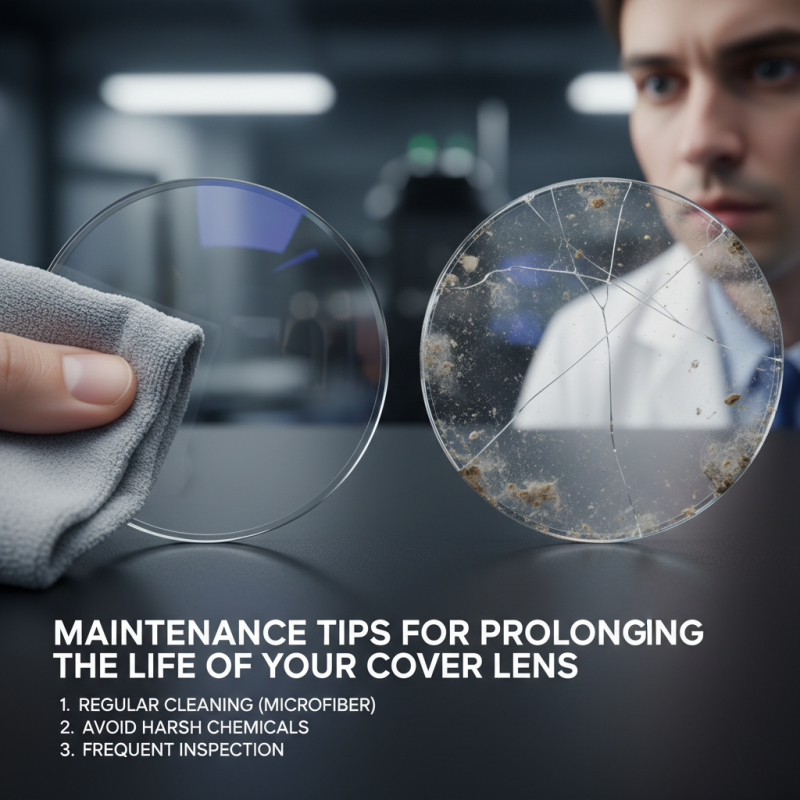
Maintenance Tips for Prolonging the Life of Your Cover Lens
Proper maintenance of your cover lens is essential for maximizing its lifespan. Regular cleaning is crucial. Use a microfiber cloth to gently wipe the surface. Avoid using harsh chemicals that can damage the coating. Dust and grime can accumulate over time, leading to scratches and reduced visibility. Take a moment to inspect your lens frequently. If you see scratches or cracks, it may be time for a replacement.
Storing your lens correctly can prevent damage. Keep it in a protective case when not in use. Avoid placing heavy objects on top of your lens. Temperature fluctuations can also affect its integrity. Try to maintain a stable environment where your lens is kept. Always handle your lens by the edges to limit fingerprints and smudging.
If your lens has special coatings, be cautious. Some coatings require specific cleaning solutions, while others are more resilient. Read any care instructions provided. By prioritizing care and handling, you can greatly extend the life of your cover lens. Remember, a small effort can lead to better performance and longevity.


 Phone
Phone Send Email
 whatsapp
 Facebook