Top Quality Cover Glass For Kiosk Solutions Available Now?
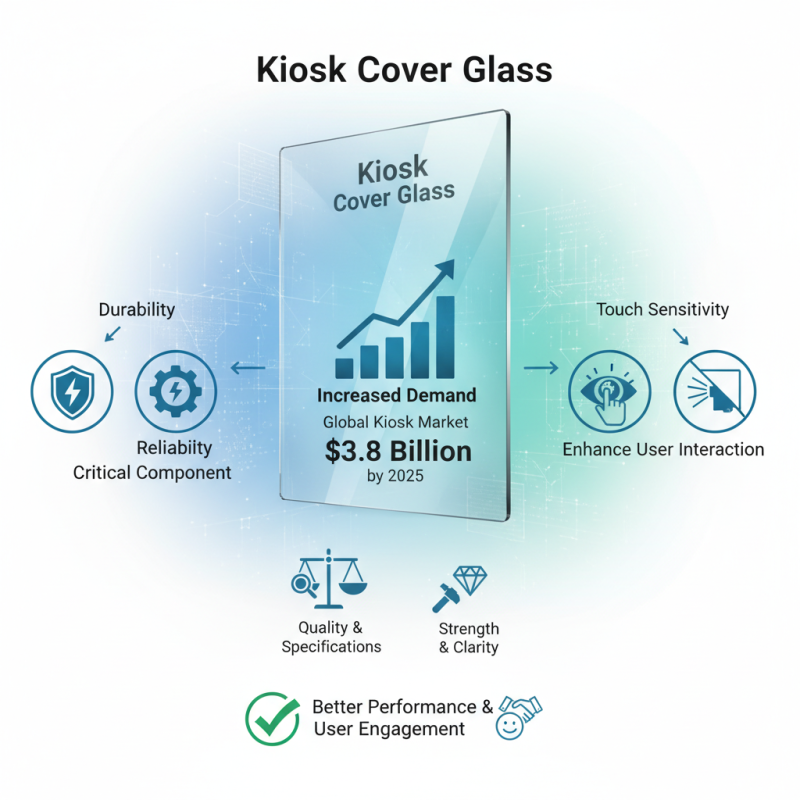
The demand for high-quality cover glass for kiosk solutions has significantly increased in recent years. According to a recent report by Grand View Research, the global kiosk market is projected to reach $30.8 billion by 2025. This growth emphasizes the necessity for durable and reliable cover glass that can withstand frequent use and varying environments.
Cover glass for kiosks serves as a critical component, ensuring usability and protection from environmental factors. The right glass can enhance user interaction through features like touch sensitivity and anti-glare properties. Companies are now focusing on advanced materials to meet these standards, which is vital for maintaining user satisfaction and safeguarding electronic components.
However, the market also faces challenges. Not all cover glass products are created equal. Some may not offer the necessary strength or clarity. Thus, it’s crucial for manufacturers and consumers to consider the quality and specifications of cover glass for kiosks. Investing in the right solutions will ultimately lead to better performance and user engagement.
Overview of Kiosk Solutions and Their Importance
Kiosk solutions play a significant role in modern interactions. They streamline customer service, making processes efficient. For instance, terminals in hospitals help patients check in quickly. Banks use kiosks for simple transactions. The flexibility of these devices allows various sectors to serve their users better.
However, it's essential to consider user experience when designing kiosks. A sleek interface can attract users, but functionality must not be overlooked. If a user faces issues, frustration may arise. Touchscreens should be responsive yet durable. Cover glass can significantly influence the durability and usability of kiosks. High-quality materials resist scratches and wear over time, ensuring devices last longer.
Moreover, security concerns keep growing. Kiosks in public spaces are prone to vandalism or wear and tear. Businesses must invest in robust solutions to protect sensitive data and enhance equipment longevity. While the investment is significant, the payoff comes in customer trust and satisfaction. Reflecting on user feedback could lead to design improvements, fostering better experiences for everyone involved.
Key Features of Top Quality Cover Glass
Cover glass for kiosk solutions has become a focal point for enhancing user experience. High-quality cover glass offers key features such as
scratch resistance, durability, and
improved touch sensitivity. These attributes are essential for public kiosks, where heavy usage is common.
According to a recent industry report, kiosk user engagement can increase by up to 50%
with responsive touch screens. This elevates the need for superior materials.
Durability is critical. Quality cover glass can withstand impacts and environmental stressors. In fact, a study from the Glass Association shows that
tempered glass can endure impacts 5-10 times higher than standard glass. Such strength helps in maintaining operational
reliability in crowded places. Another important aspect is glare reduction. High-quality glass can significantly reduce reflections, improving visibility for users.
Research indicates that kiosks with anti-glare surfaces see a
30% increase in interaction time.
Touch sensitivity is often overlooked, but it plays a pivotal role in customer satisfaction. Responsive screens ensure seamless interactions, which are vital for
transactions. Data suggests that a mere delay of 0.2 seconds can lead to a
15% drop in user satisfaction. Thus, while many kiosks still use standard materials, the shift
towards high-quality cover glass drives a necessary change in the industry.
Benefits of High-Performance Cover Glass in Kiosks
High-performance cover glass is revolutionizing kiosk solutions in various sectors. This technology provides users with superior durability and clarity. Reports indicate that kiosks with high-quality glass can reduce damage by 30% compared to lower-quality alternatives. Such resilience is crucial in high-traffic areas, where physical interactions are frequent.
The benefits of using advanced cover glass extend beyond mere protection. Enhanced touch sensitivity is essential for user experience. Studies show that kiosks implementing high-performance glass report up to a 40% increase in customer interaction time. This can lead to higher sales and engagement for businesses. Moreover, advanced anti-reflective coatings can significantly improve visibility. In bright environments, this feature is essential for ensuring user accessibility.
However, challenges remain. The initial investment in high-quality cover glass can be daunting for small businesses. Balancing cost and performance is an ongoing discussion. Not all high-performance solutions are created equal; some may not deliver the expected longevity or clarity. Therefore, businesses must conduct thorough research and consider all aspects before making a decision. The right cover glass can transform not just the functionality, but also the perception of kiosks in modern commerce.
Material Options and Innovations in Cover Glass Design
Cover glass is becoming an essential component of kiosk solutions. The industry is witnessing a surge in demand for durable and innovative cover glass options. A recent report by Smithers Pira estimates the global cover glass market will reach $54 billion by 2026. This growth highlights the need for advanced material options that ensure durability and aesthetic appeal.
The design of cover glass has evolved significantly. Manufacturers are now exploring tempered glass and anti-reflective coatings. These materials enhance visibility and reduce glare, making kiosks user-friendly. For instance, using scratch-resistant coatings extends the lifespan of kiosks in high-traffic areas. It's worth noting, however, that not all glass options are created equal. Some may offer high clarity while lacking in impact resistance.
Recent innovations in cover glass include the use of thinner, lighter materials without sacrificing quality. Corning's Gorilla Glass, for example, demonstrates high durability in a sleek form. Yet, the trade-offs in thickness and weight can sometimes lead to compromises in structural integrity. Understanding these nuances is vital for businesses looking to invest in kiosk solutions. Regular assessments of material performance can guide companies in making optimal choices for their needs.
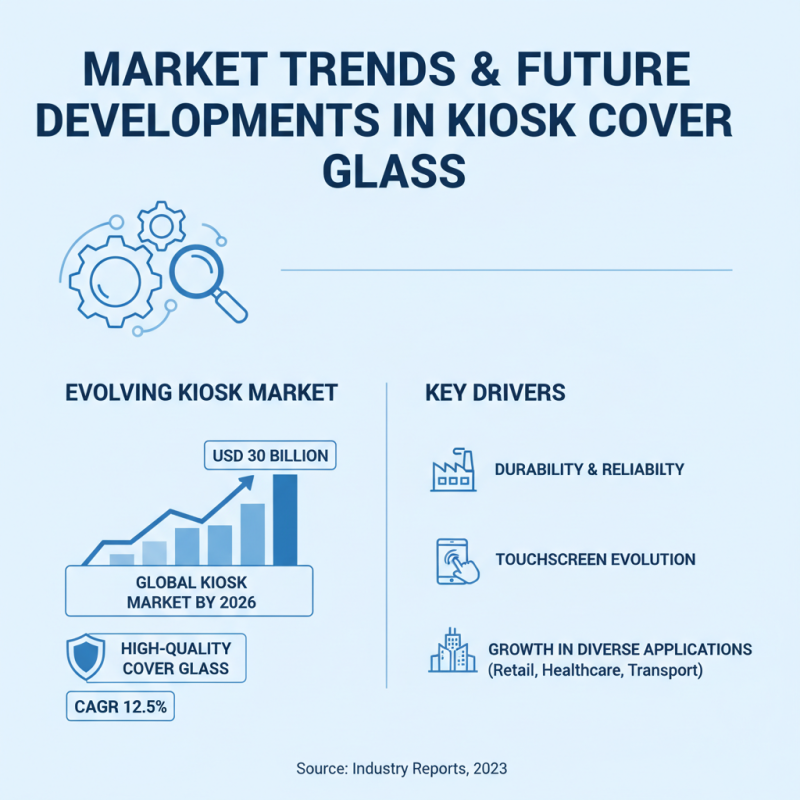
Market Trends and Future Developments in Kiosk Cover Glass
The kiosk market is evolving rapidly. High-quality cover glass is becoming essential for various applications. According to industry reports, the global kiosk market is projected to reach USD 30 billion by 2026, growing at a CAGR of 12.5%. This growth emphasizes the need for durable and reliable cover materials.
Recent trends indicate a shift towards anti-reflective and durable glass solutions. As kiosks are installed in diverse environments, from busy malls to outdoor settings, the glass must withstand different conditions. Additionally, a survey revealed that 85% of users prefer kiosks with clear, scratch-resistant display technology. This highlights the importance of quality in user experience.
However, challenges remain. The supply chain for cover glass can be unpredictable, affecting availability and costs. Companies are urged to seek versatile solutions that adapt to market demands. Future developments may include smart glass technology, which could enhance interactivity. Yet, integrating such technology can be complex and cost-prohibitive. Industry experts suggest that continuous innovation in materials is crucial for staying competitive in this dynamic market.


 Phone
Phone Send Email
 whatsapp
 Facebook