10 Tips for Buying Fire Resistant Glass?
Choosing Fire Resistant Glass is not simply a matter of selecting the thickest or most expensive product. The right choice depends on fire rating, heat control, visibility, safety, and the complete glazing system. A pane may perform well in laboratory testing but fail when paired with an unsuitable frame, seal, or fixing method. That detail matters.
This guide presents ten practical tips for making a more reliable purchase. It explains how to compare integrity and insulation ratings, review test reports, confirm certification, and check whether the glass suits doors, partitions, façades, or internal windows. You will also learn why dimensions, edge protection, installation conditions, and maintenance deserve careful attention. Small errors can become expensive.
Look beyond the sample.
A supplier should provide clear technical data, traceable product documentation, and installation guidance from a recognized testing organization. Ask whether the proposed system has been tested as a complete assembly, not only as separate glass. This is a common purchasing mistake. Many buyers focus on appearance and price, then discover that the selected product cannot meet the project’s required performance.
Real projects also involve imperfect conditions. Openings may be uneven, delivery may be delayed, and installers may interpret instructions differently. Allowing for these risks improves decision-making. A qualified architect, fire consultant, or approved installer should verify the specification before ordering. No single product fits every building. Careful questions protect both safety and budget.

Define Fire-Resistant Glass by 20–180-Minute Fire-Rating Classes
10 Tips for Buying Fire Resistant Glass?
Define Fire-Resistant Glass by 20–180-Minute Fire-Rating Classes
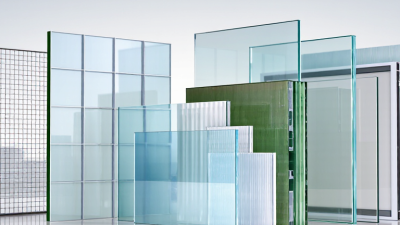
Fire-resistant glass is not defined by appearance alone. Its rating shows how long a tested assembly can resist fire under specific conditions. Common classes include 20, 45, 60, 90, 120, and 180 minutes. Confirm the required period in the adopted building code. A longer rating is not automatically better.
NFPA’s Fire Loss in the United States During 2023 reported about 1.39 million fires and 22.4 billion dollars in property damage. These figures make correct specification more than a design preference. Check the complete system, including glass, frame, seals, and hardware. Ask for test evidence under UL 10C, ASTM E119, or another accepted standard. Confirm whether the product offers fire resistance, fire protection, or both. The difference matters.
Review temperature-rise limits, hose-stream performance, and radiant-heat control. Check the marking, thickness, maximum pane size, and installation direction. Verify compatibility with doors, partitions, and curtain walls. Request current technical documents, not only a sales sheet. A 180-minute product may still fail when installed in an untested frame. That mistake is surprisingly common. I would also ask a qualified fire engineer or code official to review the final assembly. Ratings can be misunderstood, especially when project drawings use “fire-rated glass” as a broad term. Field conditions deserve attention, too. Small gaps, damaged glazing beads, or incorrect fasteners can undermine a carefully selected rating.
10 Tips for Buying Fire-Resistant Glass: Fire-Rating Classes from 20–180 Minutes
Common fire-rated glazing classes are expressed by the duration, in minutes, that the tested glazing assembly is designed to withstand a standardized fire exposure. The correct rating depends on the wall, door, window, and building-code requirements.
The chart shows nominal fire-rating classes commonly specified for fire-rated glazing: 20, 45, 60, 90, 120, and 180 minutes. A higher rating does not automatically mean every glass type is suitable for every application; always verify the tested assembly, installation method, impact requirements, and applicable building code.
Compare Integrity, Insulation, and Radiation-Control Performance Standards
Tip 1:
Check the performance label, not just the phrase “fire resistant glass.” Integrity measures whether flames and hot gases pass through the glass. Insulation measures temperature control on the protected side. Radiation-control performance limits heat transfer near the glass. These properties are different, and one product may not provide all three.
Tip 2:
Match the required rating to the tested duration. A system marked E30 protects integrity for 30 minutes, while an EI60 system targets both integrity and insulation for 60 minutes. An EW rating adds radiation control. Confirm the exact classification in the relevant test report. Standards and terminology can vary by region. Details matter.
Tip 3:
Treat the frame, seals, beads, and installation as part of the fire barrier. On real projects, a correct glass panel can fail when fitted into an unsuitable frame. Ask for evidence covering the complete assembly, including size limits and fixing methods. Independent laboratory testing is more reliable than a sales claim. Keep the documents.
Inspect the surrounding wall, too. Gaps can defeat good glazing. A practical site check should confirm labels, tolerances, and approved materials before installation. I would not rely on appearance alone; clear glass can hide major performance differences. Even experienced teams sometimes overlook radiation control when insulation receives all the attention.
Verify ASTM E119, UL 10C, EN 13501-2, and ISO 834 Certifications
10 Tips for Buying Fire Resistant Glass?
Fire-resistant glass should be purchased as a tested assembly, not as a standalone pane. A 2023 national fire-loss report estimated 1,388,500 fires and 22.2 billion dollars in direct property damage. That figure makes traceable fire testing more than paperwork. Tip 1: Request the complete test report. Tip 2: Confirm the tested glass thickness. Tip 3: Check the maximum approved dimensions. Read the scope.
Tip 4: Verify ASTM E119 for wall, floor, or partition assemblies. It evaluates fire exposure, heat transfer, and structural endurance. Tip 5: For glazed doors, check UL 10C and its positive-pressure requirements. Tip 6: Confirm whether the frame, seals, beads, and hardware were tested together. The weak point is often the frame, not the pane. Tip 7: Review EN 13501-2 classifications, including integrity, insulation, and radiation ratings. These letters and minutes must match the project specification.
Tip 8: Check whether the furnace curve follows ISO 834. This standard supports consistent fire-resistance testing, but it does not automatically prove local acceptance. Tip 9: Match the certificate’s size, glazing orientation, and installation method to your site. Tip 10: Ask for laboratory accreditation and report validity. I have seen buyers trust a certificate without reading its limitations. That is an expensive oversight. Do not guess. Confirm every layer, joint, and fixing detail before ordering.
Match Glass Thickness, Frame Systems, and Maximum Tested Panel Sizes
10 Tips for Buying Fire Resistant Glass?
Fire-resistant glass is a tested assembly, not simply a thick pane. NFPA’s Fire Loss in the United States During 2023 reported 1,388,500 fires and $22.2 billion in direct property damage. That risk makes correct specification essential. Start with the required rating, such as 20, 45, 60, or 90 minutes. Then confirm the glass thickness used in the tested design. A 12 mm pane does not automatically provide a 60-minute rating.
Frame compatibility matters just as much. NFPA 80 requires labeled fire door and glazing assemblies to use approved components. Check the frame material, glazing beads, setting blocks, seals, and attachment method. Small changes can invalidate performance. It happens more often than expected. The same glass may perform differently in steel, aluminum, or timber framing. Ask for test evidence referencing ASTM E119, NFPA 252, or applicable fire-glazing standards.
Maximum tested panel size deserves careful attention. A supplier may list a large available sheet, but that is not the same as a tested panel. Confirm the exact width, height, aspect ratio, edge condition, and installation direction. Oversized panels can require thicker glass or stronger framing. Do not rely only on thickness. Request the complete test report, classification, and approved frame details. Site measurements should be checked against those limits before ordering. In practice, this step is often rushed, and that is a weakness worth correcting.


 Phone
Phone Send Email
 whatsapp
 Facebook