2026 Best Safety Glass Options for Global Buyers to Consider?
The demand for safety glasses continues to rise in various industries worldwide. These glasses play a crucial role in protecting the eyes from potential hazards. Whether you work in construction, laboratories, or manufacturing, safety glass is essential. The market offers a diverse range of options, catering to different needs and environments.
When selecting safety glasses, buyers must consider factors like lens material, UV protection, and impact resistance. Some products may claim to be the best, but not all fulfill these promises. It is important to research thoroughly and compare options to find reliable choices.
In the quest for safety, quality should always take precedence over price. Investing in reputable brands ensures better protection and longevity. However, occasional reviews highlight the need for better product descriptions. Customers should reflect on their individual needs and personal experiences to make informed decisions.
Overview of Safety Glass Types and Their Applications in 2026
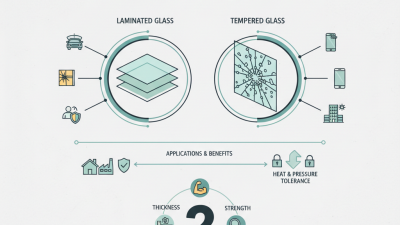
Safety glass plays a critical role in various applications today. With advancements in technology, multiple types of safety glass have emerged. Laminated glass consists of layers of glass fused with plastic interlayers. This type excels in impact resistance. It's widely used in buildings and vehicles. The plastic layer prevents shattering, making it safer for occupants.
Tempered glass is another popular option. It undergoes thermal treatment to increase strength. This glass can withstand high pressure and temperature changes, making it ideal for shower enclosures and glass doors. When broken, it shatters into tiny pieces, reducing the risk of serious injury. It's an essential choice for both residential and commercial settings.
While various safety glass options are available, no product is flawless. Each type has limitations in specific conditions. For example, laminated glass may be less suitable for high-security areas where forced entry is a concern. Understanding the unique properties of each type is crucial. Buyers must assess their needs carefully to ensure the right choice.
Key Features to Look for in Safety Glass for Global Markets
When choosing safety glass for global markets, several key features deserve consideration. Impact resistance is paramount. Safety glass should withstand strong blows and resist shattering. Look for products that comply with international safety standards. These guidelines ensure a basic level of protection for users.
Another essential feature is clarity. Glass should not only provide safety but also visibility. Users must see clearly through it, without distortion. Some products offer anti-fog and anti-scratch coatings. These add-ons can enhance the user experience, especially in challenging environments.
Temperature resistance is an area that often requires attention. Extreme conditions can lead to performance issues in some safety glasses. Consumers should evaluate how well a product performs under varying weather. Some users overlook this aspect, but it can be critical for long-term reliability.
Finally, consider the weight of the glass. Lighter options may be more comfortable for extended wear. However, they might compromise on sturdiness. Balancing comfort and durability is key. Always reflect on how these features align with your specific needs. Select safety glass that fits your environment perfectly.
2026 Best Safety Glass Options for Global Buyers to Consider
| Feature |
Description |
Standard Compliance |
Suitable Industries |
| Impact Resistance |
Ability to withstand heavy impacts without shattering. |
ANSI Z87.1 |
Construction, Manufacturing |
| UV Protection |
Blocks harmful UV rays to prevent skin damage. |
ISO 12312-1 |
Healthcare, Outdoor Activities |
| Anti-Fog Coating |
Prevents fogging for clear visibility in humid conditions. |
EN 166 |
Sports, Healthcare |
| Scratch Resistance |
Durable surface to resist scratching and prolong lifespan. |
EU Regulation 1907/2006 |
Manufacturing, Military |
| Optical Clarity |
Provides high visibility and reduces optical distortion. |
ANSI Z87.1 |
Aerospace, Precision Work |
Industry Standards and Regulations Governing Safety Glass Production
Safety glass is crucial for various applications, from automotive to construction. Industry standards significantly influence the production process. The International Organization for Standardization (ISO) sets guidelines for safety glass, which ensure product quality and reliability. One key standard is ISO 12543, which outlines requirements for laminated safety glass. This standard is pivotal for minimizing injuries in accidents.
Another critical aspect is compliance with local regulations. For instance, in the United States, safety glass must meet standards outlined by the American National Standards Institute (ANSI). The ANSI Z97.1 standard specifies performance criteria for safety glazing materials. This regulatory framework ensures that safety glass can withstand impacts, reducing the risk of shattering.
Despite these standards, challenges remain. Some manufacturers struggle to fully comply due to high production costs. Additionally, not all products are adequately tested, risking consumer safety. Industry data shows that nearly 30% of incidents related to glass failures result from insufficient adherence to safety regulations. Continuous improvements in production processes and stricter enforcement of standards are vital for enhancing overall safety.
2026 Best Safety Glass Options for Global Buyers to Consider
Market Trends and Growth Projections for Safety Glass in 2026
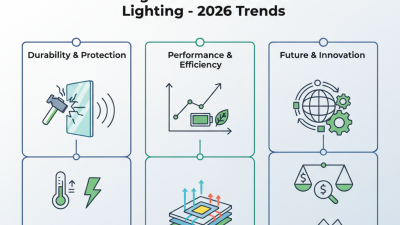
The safety glass market is poised for significant changes by 2026. As industries prioritize worker safety, the demand for high-quality safety glass is increasing. Factors driving this growth include advancements in manufacturing techniques and enhanced material technologies. Buyers are looking for reliable options that offer superior protection and durability.
Moreover, environmental considerations are influencing trends. Many manufacturers are focusing on sustainability. They aim to produce safety glass with less impact on the environment. This shift creates new expectations among consumers. They want products that not only meet safety standards but also reflect their values.
Despite progress, challenges remain. Not all safety glass products meet the required standards. Some may lack the expected transparency and resilience. Buyers should exercise caution. It's crucial to research and verify the specifications of safety glass products thoroughly. Partnering with reputable suppliers can offer a level of security, but due diligence is still necessary.
Consumer Preferences and Influences on Safety Glass Purchasing Decisions
Consumer preferences play a vital role in selecting safety glass options. Buyers often prioritize durability and clarity. Many look for products that withstand impact and resist scratches. The light transmission is also a crucial factor. Consumers want glass that offers good visibility while ensuring protection.
Social influences shape purchasing decisions significantly. Recommendations from friends and reviews on social media platforms can sway opinions. Buyers increasingly trust peer opinions over traditional advertising. Environmental impact is another factor. Sustainable and eco-friendly materials are gaining traction in consumer decision-making processes.
Yet, challenges remain. Not all consumers fully understand safety standards. Misconceptions about glass classifications can lead to poor choices. Many are unaware of the benefits of laminated versus tempered glass. As awareness grows, so does the need for better education on safety glass features. Evaluating options thoroughly can lead to more informed decisions. Buyers should consider personal needs and seek expert guidance when necessary.


 Phone
Phone Send Email
 whatsapp
 Facebook