Choosing Anti Fingerprint Glass in 2026 is not just a question of finding a surface that looks clean. The right choice depends on touch feel, clarity, durability, cleaning needs, and the device’s operating environment. Counterpoint Research reported that global smartphone shipments grew 4% in 2024, reaching about 1.22 billion units. That scale highlights the continued importance of display performance, though shipment data alone cannot tell buyers which coating will last longest.
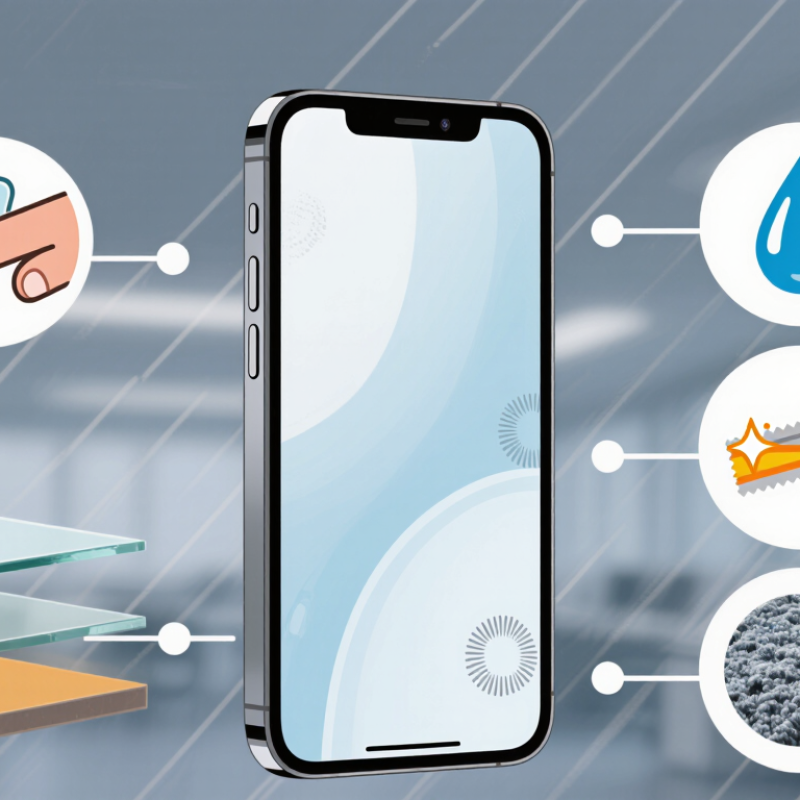
Start with the glass and its surface treatment as separate parts of the decision. Anti-fingerprint performance usually comes from an oleophobic coating, which helps oils spread less and makes smudges easier to wipe away. Corning’s technical materials discuss cover-glass properties such as damage resistance and optical performance; these should not be confused with coating durability. Ask suppliers for test methods, sample results, and performance after repeated wiping. A polished sample is not proof.
Check the details that affect real use. Under bright office lights, reflections can matter as much as fingerprints. On a handheld screen, smooth gliding may matter more than maximum hardness. For public kiosks, frequent cleaning can place greater demands on the coating. No surface stays spotless forever. And claims like “permanent” deserve scrutiny. In 2026, compare measurable specifications, consistent test conditions, and product samples before choosing. The available evidence may still leave gaps, so treat unverified claims cautiously.
For anti-fingerprint glass, start with the surface’s actual job. A phone cover glass faces skin oils, pocket grit, and thousands of swipes. A self-service kiosk may instead face frequent wiping and disinfectant exposure. Automotive displays add glare control and changing cabin temperatures. One coating cannot meet every need equally well.
Scale matters, too. IDC reported 1.24 billion smartphone shipments worldwide in 2024, up 6.4% year over year. That volume makes consistency important: specify whether the glass is for a high-volume device or a smaller, specialized installation. Then set measurable targets for fingerprint visibility, touch friction, optical haze, and coating performance after abrasion and cleaning. Ask suppliers for test conditions and results, not just “easy to clean.” Small wording difference. It matters.
Match tests to real use. For a kitchen appliance, test oily fingerprints and the cleaners people actually use. For a public touchscreen, include repeated wiping and inspect for uneven patches under bright light. Define acceptable performance before comparing samples; otherwise, a low initial contact angle or clear first impression can distract from wear. ASTM D1003 provides a method for measuring haze in transparent materials, but it does not establish a universal pass level for your product. Set that threshold yourself, and consider whether your cleaning assumptions reflect everyday use. They often don’t.
Anti-fingerprint glass depends on coating chemistry and tested performance, not just a high water-contact-angle number.
Fluorosilane coatings repel oils and water, often with a smooth, slick feel, but repeated wiping can reduce performance. Plasma-deposited layers can bond closely to glass; UV-cured hybrid coatings may offer a different balance of cost and wear resistance. These categories vary by formulation, so names alone cannot predict service life.
Compare initial and post-abrasion water contact angles, sliding angle, haze, adhesion, and chemical resistance. Many suppliers target an initial contact angle above 110°, but this is not a universal pass mark. A lower sliding angle can mean fingerprints wipe away more easily. Ask for test conditions: ASTM D7334 covers wettability measurements, while ASTM D1044 addresses abrasion and ASTM D1003 measures haze.
IDC reported 1.24 billion smartphone shipments worldwide in 2024, underscoring the scale of touch-surface use. Still, shipment figures do not prove coating durability. Lab numbers can flatter a coating.
Tips: Request results after repeated abrasion and cleaning, not just fresh-glass readings. Test under your own lighting; a faint haze may show on a dark screen. Small differences matter. Test both.

Start with compatibility. Check the exact device model, screen shape, and case clearance before buying. A protector designed for a flat display may lift along curved edges. Small mismatch, big annoyance. For in-screen fingerprint sensors, confirm that the glass supports your sensor type and follow the device maker’s setup instructions after installation. A thick protector can sometimes reduce touch response.
Tips: Clean the screen carefully, align the protector under bright light, and press out bubbles slowly. Keep a microfiber cloth nearby for a quick clarity check.
Durability and optical clarity need separate attention. Scratch resistance does not mean the anti-fingerprint coating will last equally long. Frequent wiping, gritty dust, and oily hands can gradually reduce its smooth feel. Look for clear care guidance and inspect the surface under a lamp for haze or rainbow patterns.
Text should remain crisp, and colors should look natural at normal brightness. Not always. A glossy protector may show reflections more clearly, while a matte finish can soften fine detail. There is a trade-off, and it is easy to overvalue a spotless surface over comfortable viewing. After installation, test swipes, fingerprint unlocking, and edge fit before removing any packaging or purchase records.
When evaluating anti-fingerprint glass, ask how performance was tested, not just how the surface looks. A high initial water contact angle may indicate oil-repellent behavior, but it does not prove the coating will last. Request test methods, conditioning details, and results before and after abrasion or cleaning cycles. Comparisons only help when samples face the same pressure, cloth, and number of passes. Details matter.
Check that reports identify the glass, coating, test equipment, and acceptance criteria. Ask whether optical transmission, haze, and color shift were measured alongside fingerprint resistance. A coating can repel oils yet create visible reflections or unevenness under bright light. A clean-looking sample can still mislead. I would also request production-lot data, since laboratory samples may not match routine output.
Supplier quality shows in repeatable records and honest limits. Look for documented inspection steps, batch traceability, calibration records, and a clear process for handling defects. Ask for samples from more than one production run, then inspect them under angled lighting and after ordinary wiping. Not always. Testing cannot predict every user’s habits, and no coating stays pristine forever. A reliable supplier should explain what its data covers, what it does not, and how changes in materials or process are controlled.
Water contact angle is one useful surface-wetting measurement. The ranges below show common water-wettability classifications; they are not anti-fingerprint acceptance limits.
Supplier check: Ask for the test method and edition, measurement conditions, sample details, and results before and after durability testing. ISO 19403-2 describes contact-angle measurement; a contact angle alone does not prove fingerprint resistance. Agree on project-specific pass criteria and request relevant oil/fingerprint and abrasion-retention evidence.
Anti-fingerprint glass can reduce visible smudges, but its value depends on use, cleaning, and replacement costs. Compare the full cost, not just the quoted price per panel. A coated option may cost more upfront, while frequently touched surfaces can need less wiping. Small details matter. Ask how the coating is applied and whether its performance is tested after repeated cleaning. Request care instructions and warranty terms in writing. A showroom sample may look spotless under soft lighting; check it with fingerprints and side lighting, too. One sample proves little.
Maintenance is practical, not theoretical. Use a soft microfiber cloth and the cleaner specified for the glass; abrasive pads can wear surface treatments. For a busy entrance or shared display, track cleaning time for a week, then estimate annual labor. Long-term performance varies with touch frequency, cleaners, and installation quality. Ask the supplier for abrasion or cleaning-cycle data, and clarify what the test measures. If no comparable data exists, treat durability claims cautiously. Some coating wear is gradual and hard to notice until smudges return. That is easy to miss. Choose a small test area where possible, and inspect it after several months of normal use. A higher initial cost may be sensible, but only if maintenance savings and service life are supported by evidence.
| Glass option | Relative upfront cost | Fingerprint visibility | Cleaning and maintenance | Long-term performance | Best suited for |
|---|---|---|---|---|---|
| Smooth, uncoated glass | Low; baseline option | Oils and smudges can be readily visible, especially on dark, glossy surfaces. | Clean with a soft microfiber cloth and a glass-safe cleaner. Avoid abrasive pads that can scratch the surface. | No added fingerprint-resistant layer to wear away. Appearance still depends on cleaning frequency and surface use. | Budget-sensitive areas where frequent cleaning is acceptable. |
| Oleophobic-coated glass | Medium; coating adds cost over uncoated glass | Designed to reduce oil adhesion and make fingerprints easier to wipe away; it does not make glass fingerprint-proof. | Usually needs less effort per cleaning. Use a soft cloth and follow the coating supplier’s cleaner instructions; avoid harsh chemicals and abrasive cleaning. | The coating can wear with repeated abrasion, aggressive cleaning, and heavy use. Request durability-test results for the intended application. | Touchscreens, control panels, and other frequently handled smooth surfaces. |
| Etched anti-glare glass | Medium to high; processing and finish affect cost | The matte texture can make smudges less conspicuous than on glossy glass, but it does not repel skin oils. | Texture may retain dirt or oils more than a smooth surface. Clean gently with a soft cloth and a compatible cleaner; do not use abrasive tools. | The etched finish is part of the glass surface, rather than a removable coating. Its appearance and cleanability depend on texture and use. | Displays or panels where reduced reflections are important. |
| Etched glass with an oleophobic coating | High; combines surface processing and coating | Can combine reduced glare with easier removal of oily marks. Results depend on the specific texture and coating. | Follow the supplier’s cleaning guidance for both the etched finish and coating. Avoid abrasives and unapproved chemicals. | Etching remains part of the surface; the oleophobic performance may decline through wear. Ask for test data on the finished glass, not just the coating material. | High-use display applications that need both glare control and easier cleaning. |
Selection note: Cost levels are relative planning guidance, not quoted prices. There is no single durability figure that applies to every anti-fingerprint coating. Compare supplier test methods, abrasion and chemical-resistance results, cleaning instructions, and warranty terms for the finished glass and its intended use.